Everett considering 6% utility tax increase
Published 3:15 pm Thursday, May 14, 2026
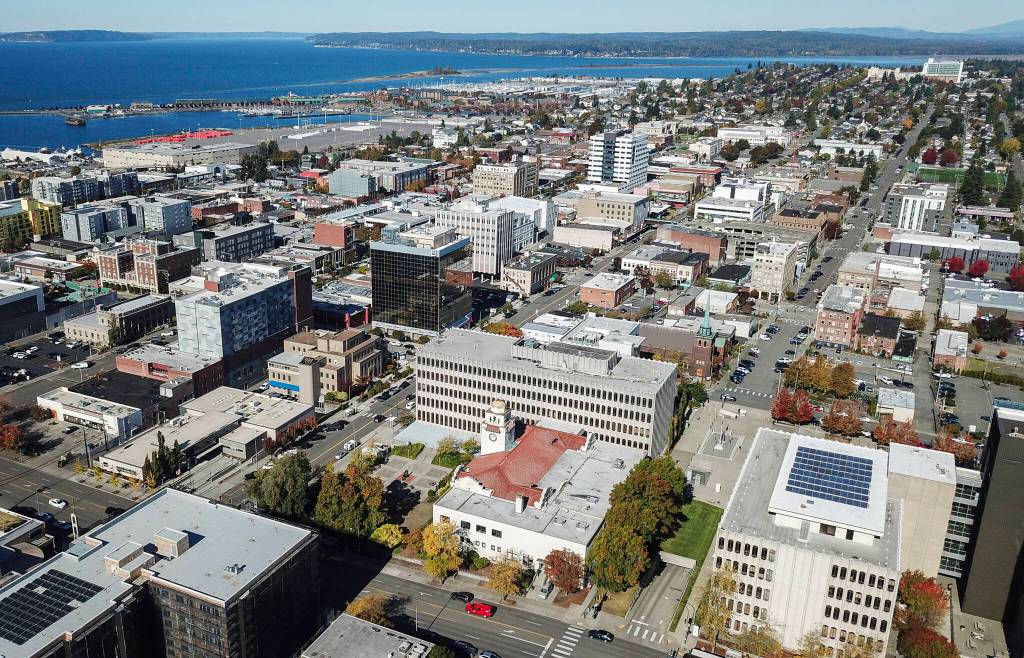
EVERETT — The city of Everett is officially considering a utility tax increase that, if approved, would increase water and sewer rates for the hundreds of thousands of people that use the Everett’s utility services across Snohomish County.
In exchange, it would also make significant progress toward closing a projected $15 million deficit in the city’s 2027 general fund budget.
The passage of the tax would come with an increase in utility rates. That’s because the tax is levied on the utility itself — not individual ratepayers — but the utility would need to raise rates in order to cover the cost of the tax.
It would replace a current 6% “payment in lieu of taxes” fee — which is essentially identical to a tax, city finance director Mike Bailey previously said — with a 12% utility tax, amounting to a 6% increase.
If approved, the average utility cost in 2026 would rise from about $152.46 to $164.20, an increase of about $12 per month. The utility tax itself amounts to a $10.74-per-month increase; the city also asked for an additional $1 per month to help pay off a bond used to fund upgrades to a filtration plant completed in 2010. Public works director Ryan Sass said that additional fee would help prevent “a substantial increase” in filtration rates in 2029.
Everett last approved a water and sewer rate increase in early 2025, due to large construction projects set to take place over the four-year rate period. Planned increases for 2027 and 2028 would remain in effect. If the utility tax is approved, the average home would pay $199 per month in 2028 for water and sewer services, compared to $184.77 per month without the tax, according to a city presentation.
City officials had first proposed the idea of an increased utility tax rate at a council retreat in January, as they looked for ways to close the looming budget gap coming in the 2027 budget. They announced a proposal to raise the taxes at a committee meeting in March.
At $15 million, the deficit in the 2027 budget is larger than the city faced when it developed the 2025 budget. To balance that $12.6 million gap after a levy lid lift failed, 31 employees lost their jobs and library hours across the city were cut.
The city has been plagued by structural budget challenges for more than a decade. Staff have cited a 1% cap on annual property tax increases as a primary factor for the structural deficit because, they argue, the city can’t collect enough revenue to keep up with the rate of inflation, even if the economy is healthy.
Mike Bailey, the city’s interim finance director, said at Wednesday’s meeting that the city’s deficits have been addressed by cuts year after year, and Everett is now “kind of at the end of the ability to address these from an expenditure approach.”
“The issue that’s before us today is how do we change the trajectory of future budgetary forecasts that enable the city just to continue providing the services that it’s providing today,” Bailey said. “Not to enhance service, not to add increases to some of the things that have been foregone in the past, but just to keep doing what we’re doing today.”
Council member Ben Zarlingo said “we are already, and have been doing, a whole lot of cutting over the years.”
“If constituents aren’t wanting to go this route, I need to know from them where they suggest, in the city general fund budget, we cut seven and a half million dollars worth of expenses,” council member Scott Bader said. “… You know, I don’t even know where to cut $750,000.”
Council members Erica Weir and Paula Rhyne asked city staff to explore the effects of expanding the city’s existing programs that provide rate assistance to individuals with lower incomes, seniors or people with disabilities.
Everett’s water system serves about 670,000 people, around three quarters of the population of Snohomish County. Its sewer system serves over 180,000 people.
Other ways the city could close the remainder of the budget gap — apart from cutting services — could include creating a municipal fire authority, regionalizing services like fire or libraries, or going to the voters for a property tax levy lid lift.
A vote on the utility tax is expected for May 27.
Will Geschke: 425-339-3443; william.geschke@heraldnet.com; X: @willgeschke.