Students, watch your yakking
Published 5:10 pm Tuesday, December 1, 2015
The posts on Yik Yak, an anonymous social media smartphone app, were without question racist and threatening.
Following discussion last month that Western Washington University’s Viking mascot was viewed by some students as racist, debate on the smartphone app ranged from fair comment to outright racist remarks and threats of harm to individuals and all students of color at the college, including references to lynching, photos of a gun and a noose and comments that attacked the school’s student government president, a black woman, for criticizing the mascot: “This is the [n-word] who started the whole thing,” read one post.
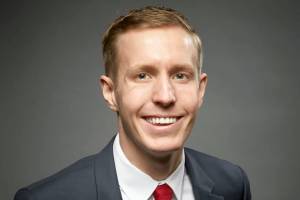
That and other threats on the app led to cancellation of classes Nov. 24 at the Bellingham-based university. On Monday, classes resumed and Bellingham police arrested a suspect in some of the threats, a 19-year-old Western sophomore. A bail hearing was scheduled Tuesday for Tysen Campbell, identified by the school and later in news reports, as having attended Granite Falls High School. Campbell, Western officials said, has been suspended from the college and banned from campus pending the outcome of any criminal charges.
Campbell’s mother, interviewed by the Seattle Times, said Campbell was being “sarcastic because he was annoyed by all of the uproar” and that he was neither a violent nor racist person.
In the days between the threats and Campbell’s arrest the university came under criticism for not doing more to protect student safety.
Belina Seare, the student government president identified in the posts, justifiably felt threatened and concerned for her safety. Western President Bruce Shepard, despite having canceled classes and condemning the threats made on social media, has been criticized by Seare and others for characterizing the campus as being generally safe and for not arranging for around-the-clock protection for those individuals who had been threatened.
The incident and the appropriate response should be openly discussed among Western officials, its public safety department, faculty, staff and students. But students also might want to question how they use a social media site that allows the posting of anonymous comments and whether their own posts were fair comment, hate speech or threat. Yik Yak’s terms of service list threats and racially offensive language as “unauthorized activities,” yet the threats and racist language lingered long enough for many users to see them, creating a sense of unease for many.
Unease is common on many college campus this fall, following the fatal shootings at Umpqua Community College in Roseburg, Oregon, in October, and protests over racism and threats at the University or Missouri in November.
In recent years, Western’s Shepard has earned praise and condemnation, depending on the source, for comments he has repeatedly made that should the college in 10 years be “as white as we are today, we will be relentlessly driven toward mediocrity.” In a blog post in early 2014, Shepard expanded on his comment to explain that he didn’t mean that more whites had to be excluded from admission; but as a university that seeks state residents for 90 percent of its admissions, Shepard said, Western had to work to reflect the state’s own increasing diversity.
University officials have a responsibility for creating a campus atmosphere that is safe, inclusive and promotes opportunities for learning. But students also have a responsibility for promoting that sense of safety and inclusiveness amongst themselves. They can start by carefully considering their own words before they hit “send.”
Correction: An earlier version of this editorial misstated the last name of Western Washington University President Bruce Shepard.