Cardi B: Will her past stand in the way of her future?
Published 1:30 am Saturday, March 30, 2019
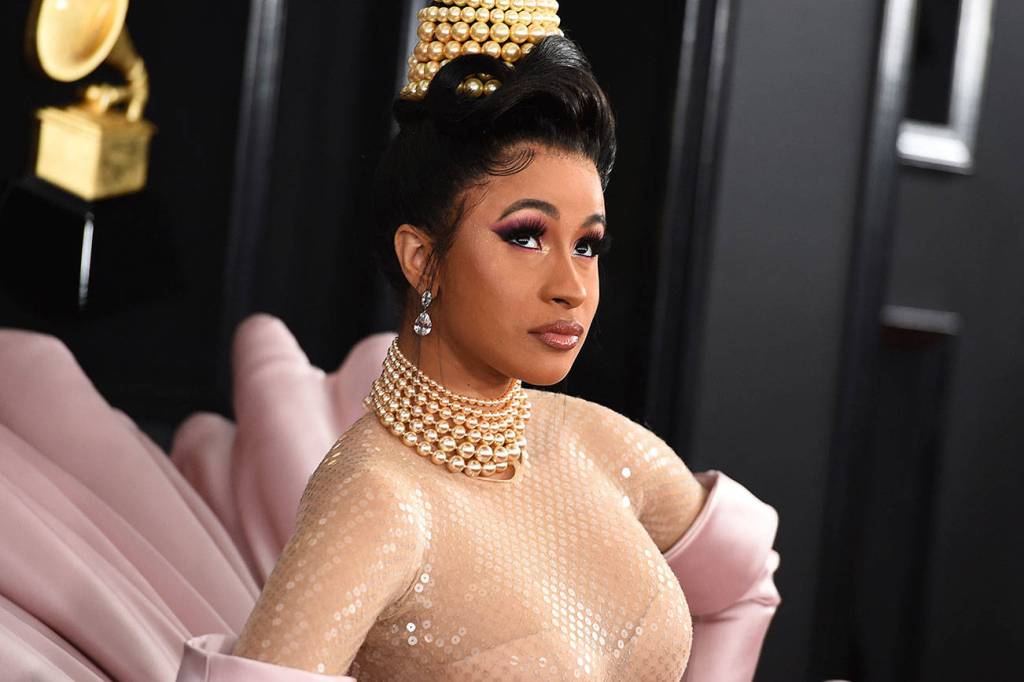
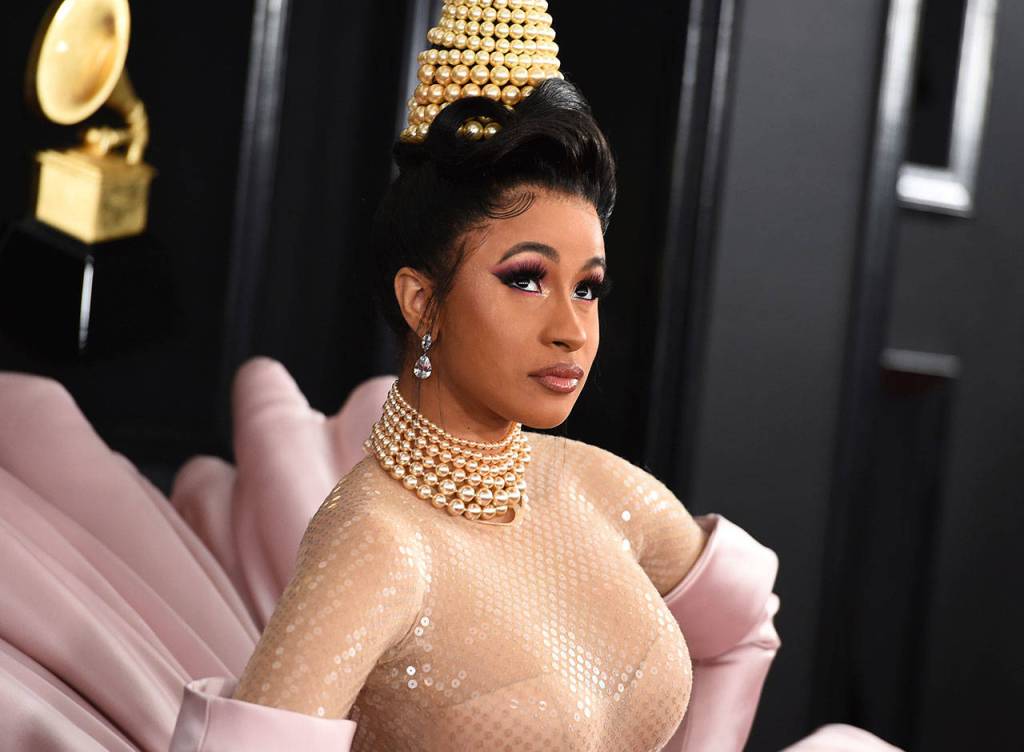


NEW YORK — Rappers bragging about crimes from their pasts — or warning about those they may commit in the future — are part of the genre’s lore. From Jay Z to Snoop Dogg to Future, street cred for rappers has often been solidified by detailing their grimy acts in everything from raps to interviews.
So it would seem that Cardi B’s recently discovered admission to drugging and robbing men during her stripper past would be just another example of that. But in the era of #MeToo, some are wondering whether it’s time to Cancel Cardi B in the same way R. Kelly has been largely muted following allegations that he repeatedly sexually abused young women and girls.
Outrage ensued, with some comparing Cardi B to Bill Cosby, who was convicted last year for drugging and molesting a woman in 2004. Others posted #SurvivingCardiB on social media, playing off the ultra-popular Lifetime documentary series “Surviving R. Kelly,” which helped lead to new sexual abuse charges against the R&B singer a decade after he was acquitted of child pornography charges. The singer has denied the new allegations.
But Damien Scott, editor-in-chief and vice president of content and development of the hip-hop magazine Complex, said Cardi’s admission didn’t rise to the level of those cases.
“The difference here is this is Cardi remembering crimes she committed in her very formidable years, and while they are crimes … to me they’re not on the degree of criminality as raping somebody. She claims she would drug men and rob them — is that bad? Extremely bad. However, on the scale of what’s acceptable in rap and what has been acceptable in rap, to me that’s on the tame side,” he told The Associated Press in an interview on Thursday. (In the Twitter post defending herself, Cardi B maintains the men were actually “conscious (sic) willing and aware.”)
Rough and explicit lyrics have been part of rap since its early days, and it is common for rappers to vulgarly discuss sex, drugs, gun violence and more in songs.
“These are things that male rap artists traditionally, historically, have been able to use to tell their story (like), ‘I used to do X-Y-Z, but now I rap.’ That’s a stable of many rap origin stories,” Scott said. “I can name so many rappers who have legitimately said on record and in an interview, ‘Oh man, I was going to continue selling drugs but my manager or my friend or my boy who raps told me I should focus on this because I have a gift. I used to rob and steal, I used to be a stick-up kid, but I figured that after I got arrested the last time, I should find a legal hustle.’”
Still, drug references and other controversies have hurt other rappers in recent years. Reebok ended its relationship with Rick Ross in 2013 following heavy criticism of lyrics where he rapped about giving a woman the drug MDMA, known as Molly, and having his way with her on the song “U.O.E.N.O.” CeeLo Green saw his career wane after facing charges in a felony drug case (he pleaded no contest to giving a woman ecstasy at a 2012 dinner). After entering the plea, Green posted a series of messages on Twitter, including one that read: “Women who have really been raped REMEMBER!!!”
Some felt that if Cardi B were a man, especially in the #MeToo era, she would have suffered greater backlash for her admission. Brand and reputation management expert Eric Schiffer said he felt there was a “slight double standard” when it came to Cardi B’s situation.
But Schiffer, chairman of Reputation Management Consultants, added that Cardi B wasn’t glorifying the act of drugging someone in a song and that she took ownership of her actions.
“That’s the distinction, and that’s why I think that she’s not getting the same heat. If she was openly rapping about drugging men and stealing, I think you’d see potentially even greater heat on her than men,” Schiffer said.
Last month, Cardi won her first Grammy Award — becoming the first solo female to pick up best rap album. Her latest single, “Please Me,” featuring Bruno Mars, is her seventh Top 10 hit on the Billboard Hot 100 chart in just two years. She had two major commercials for Pepsi — which aired during the Super Bowl and the Grammy Awards — and also has collaborations with the fashion brand Fashion Nova and shoe company Steve Madden.
As for future deals for Cardi?
“My bet is that there are many brands that are not going to throw down big checks in the short-term, given the news,” Schiffer said.
“I don’t think it’s going to stop any endorsements. I would be very, very, very, very surprised if anything stops,” Scott said.