Kathy Coffey: ‘Resilience’ is good; is ‘regenerative’ better?
Published 1:30 am Saturday, August 21, 2021
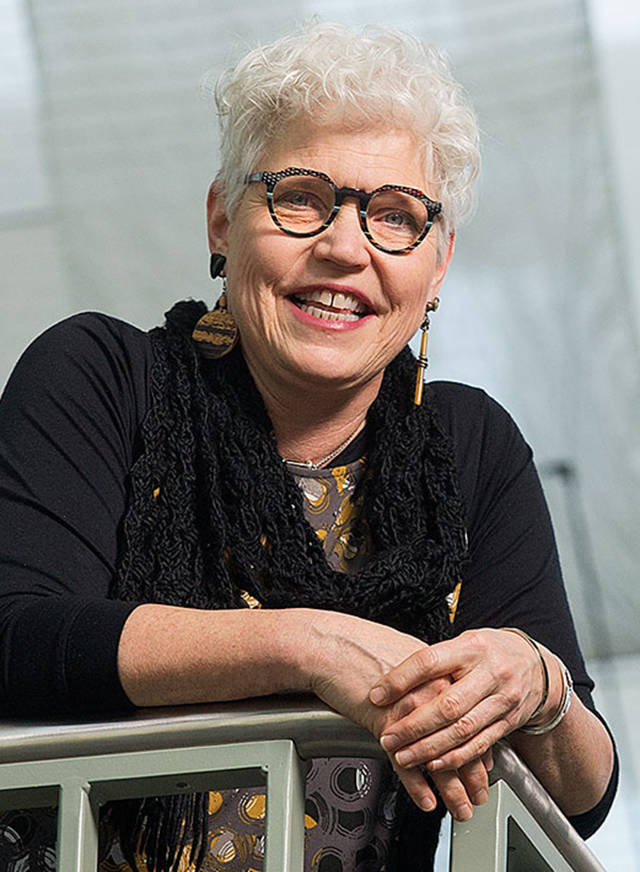
By Kathy Coffey / Herald Forum
It seems we hear the word resilience every day lately. We often talk about it as leaders and it’s one of the core competencies in the curriculum that Leadership Snohomish County uses for our programs. But many have started to suggest the word regenerative as a replacement for both resilient and sustainable. I’m exploring this idea and suggest it’s something we explore together as a community.
I learned this past year that many languages do not have a word for “resilience.” Tibet. Ukraine. Sri Lanka. Many others do not have that specific word with a meaning that equates to our definition of resilience. In other parts of the world, resiliency is something that is simply embedded into how they interact with whatever life puts forward.
The Latin root of the word, “resilire,” means to bounce back. Sometimes individuals and organizations claim resilience as a badge of honor; of making it through something. Covid-19 is a great example.
Meanwhile, history points out that many people of color know resilience at a level that I as a white woman can’t fully imagine. There is no badge of honor for me in framing this collective trauma as a notable accomplishment. Something to learn from, yes; to celebrate, not quite.
I want to do far more than just bounce back. After all, what are we bouncing back to? So, back to this idea of using the word regenerative as a replacement for both resilient and sustainable.
Combining the idea of regenerative with wisdom from the elders might inspire us to consider how we bring a sense of reverence, reciprocity and restoration to our communities. We need regenerative systems across our entire society. Our food systems. Our habitats and ecosystems. Our production systems and markets. So much about the way we move through the world can be extractive; how can we re-imagine those systems to do more than bounce but to change for the better?
One key piece of advice (of many) in Adrienne Maree Brown’s book “Emergent Strategy” puts forward that embracing change is non-negotiable. She writes: “A first question to ask ourselves is, how do we practice increasing our ease with what is? Change happens. Change is definitely going to happen, no matter what we plan or expect or hope for or set in place. We will adapt to that change, or we will become irrelevant.”
Over time, this idea has been reflected by many in countless ways. But Brown somehow brings new insight gathered from the world around her. She states,
“Emergent strategy is something I am still discovering, but a lot of it, for me, feels like tuning into the natural operating systems of the universe and being humbled, as opposed to trying to barrel through and against all the change, trying to best nature.”
This feels regenerative. This holds up lessons from those before us. It is interactive and accepting of the events that we face in a day and gives permission to feel, process and work to notice those happenings.
And at Leadershiip Snohomish County in the last year, we have worked to look at those systems. To notice the world around us and discover how to know ourselves, so we can make a difference. My life’s calling to create community draws me to help individuals, groups and communities discover how to regenerate. For me, this happens with connecting, seeing, listening and simply taking my seat and being present.
What do you need to promote regenerative practices in your life? In your family and community? In your workplace?
Kathy Coffey is the executive director of Leadership Snohomish County, which connects and develops leaders to strengthen our communities. To learn more about Leadership Snohomish County, go to www.leadershipsc.org.