Forum: What my stroke treatment revealed about hospital care
Published 1:30 am Saturday, October 8, 2022
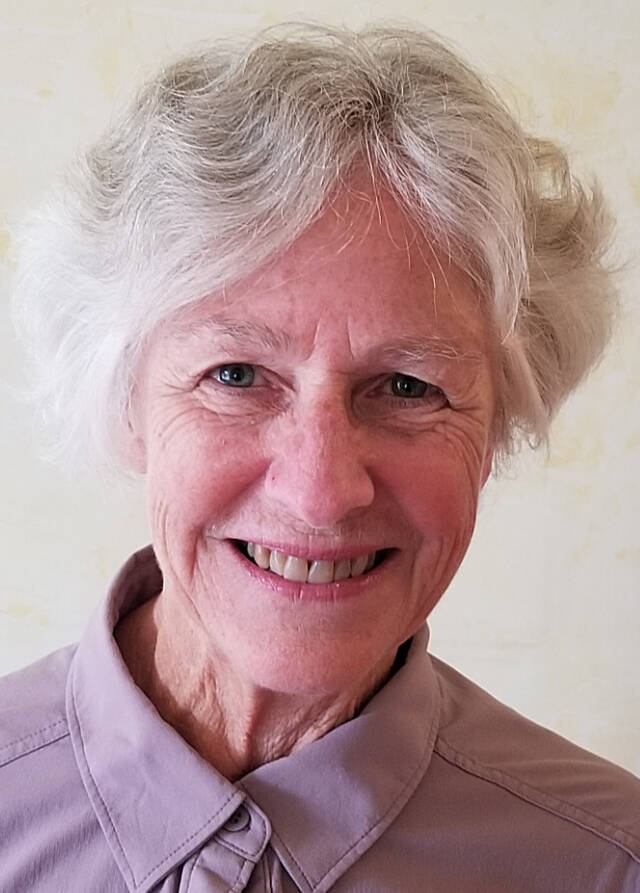
By Candace McKenna / Herald Forum
I am a healthy and fit 68-year-old women who unexpectedly experienced sudden weakness in my right arm and leg one evening last November. Thanks to my ICU nurse step-daughter, my husband and I knew the signs of stroke (BE FAST: Balance, Eye, Face, Arm, Speech, Time). Twenty minutes later I entered Providence Regional Medical Center’s emergency room, luckily quiet that evening despite a covid variant surge that had filled the hospital’s beds with patients.
I was taken to the stroke triage lounge and surrounded by medical staff who evaluated my symptoms. The gravity of the situation was confirmed for me when the emergency room doctor called out: “Code Stroke.” I was wheeled to the head of the line for a cat scan, then taken to a room where my husband waited along with the emergency room doctor who introduced me to a neurologist giving instructions from a computer screen. Nurses worked quickly to place monitors and put in IVs. The cat scan showed my left carotid artery was 80 percent blocked. A clot had pushed through that artery into the left side of my brain and was depriving brain cells of oxygen.
Benefiting from the sacrifices of others: Whenever I think about that sudden, dire need for medical help, I am grateful there are caring people who invest time and take out loans to become doctors and nurses. I am grateful that they are willing to work when the rest of us are settling in for dinner or a good night’s sleep. They sacrifice weekends and holidays with family to care for patients. I observe for the nurses I know that it costs not just the hours they are paid for, but the days before and after when they are resting up for work or recovering from it.
I am grateful that I was in a hospital with the expertise to offer tPA, a clot-dissolving miracle drug that must be given during the first couple hours after symptoms of stroke. Under the watchful eye of two nurses — one senior and one junior — the drug was administered over 45 minutes. The senior nurse reassured the junior nurse that she would be OK monitoring me alone. I looked into the attentive eyes of the junior nurse who was not taking her eyes off me. I shared what I was feeling as sensation returned, left, came back. I hoped for some assurance that what I was experiencing was normal, but this was the first time she’d sat with a patient who was getting tPA and she remained silent. After a couple hours, fluctuations in sensation leveled off with restored feeling in all but the edge of my right hand, ring and pinkie fingers.
The following 18 hours I spent in the ICU were eerily quiet and an opportunity to witness first-hand the trauma of ICU nurses during covid. My day nurse, a seasoned travel nurse, explained when my breakfast was delivered late that they were not used to ICU patients who ate and talked; the other patients were intubated and sedated. They were mostly younger, unvaccinated adults who were not getting better. She had cried when a husband and wife didn’t make it the previous week and left behind five young children. When my night nurse took me from the ICU to the step-down unit, I thanked her. Her eyes filled with tears as she replied, “No, thank you! You have no idea what a gift you have been. I went into nursing to help people heal and you are going to recover!”
Staff shortage notable: I spent the following week in the hospital being monitored for any new signs of stroke, having a couple therapy sessions and being prepped for surgery on my left carotid artery. Staff shortages were apparent after surgery when I spent extra hours in recovery waiting for transportation. Back in my room, it was a floating nurse who came to check on me more often than my assigned nurse because she had too heavy a patient load. In my experience the senior nurses distinguished themselves from junior nurses in their careful listening to me and in their confidence about making judgement calls in response to my evolving needs. One time in particular I complained for some time before a senior nurse was brought in to assess a monitoring device which was causing me pain; it turned out that it had stopped functioning and needed to be removed.
When it was time to come home, a discharge nurse came to make sure I was going home to adequate care. It was from her that I learned that the biggest challenge is finding spots for those ready to the leave the hospital. My own mother broke her hip the past summer, had surgery and stayed in the hospital an extra three days after she was ready to be discharged because it was hard to find a spot in a rehab facility. This is increasingly common. Unfortunately this delays the next level of rehabilitative care for the patient as well as resulting in lack of beds to move patients to from the emergency room.
At the end of the week, my husband and daughter had a lot of questions for my doctor and my nurse, who both made time to talk to them by phone from my bedside during the last couple days of my stay. They were so very grateful when my nurse, who put us all at ease with his humor, walked me downstairs and out to the car to offer reassurance to them and allow them to thank him in person for taking care of me.
Wear showing: I got the excellent care I needed last November, but I also got to see the cracks in the system.
The challenges facing nurses didn’t start with covid-19. Staffing practices were already hard on them and unsafe for patients: forced overtime, missed breaks and being assigned too many patients. Senior nurses were and are not being incentivized to continue working in the hospital. Instead, they take their skills, honed over many years, and find less-stressful positions outside the hospital while new nurses take their place and struggle without enough senior nurses to guide them.
Disparity in pay between staff and travel nurses increased during covid, luring more away into lucrative travel jobs and causing resentment for those nurses with young families who can’t travel. Some who traveled to states with enforced nurse-to-patient ratios saw that nursing care could be safer for both providers and patients. New nurses are not being trained fast enough to fill the empty positions. Now, many nurses are saying “enough.” As they leave hospital jobs, the situation only becomes worse for those who remain and increasingly unsafe for patients.
Awareness of the strain on nurses and the resulting potentially unsafe conditions for patients leaves me wondering what experience will I or anyone have next time we experience a medical emergency.
Speaking up: That is why I’m speaking up to say, you can join me in letting your local hospital know that you want experienced nurses to be retained. You can join me in supporting fair pay and staffing practices for nurses, as well as supporting nurse-to-patient ratio legislation that is essential to ensuring patient well-being and to the retention of nurses.
I invite you to ask your state legislators to bring nurse-to patient ratio legislation up for a vote and pass it this year before safe and sophisticated medical care slips out of our grasp.
Candace McKenna is a 35-year resident of Snohomish. She has served on the Snohomish School Board and on the board of public radio station KSER. She worked as a computational linguist at Microsoft for 25 years before retiring three years ago.