Forum: Innovative programs add to our toolbox to help homeless
Published 1:30 am Saturday, July 29, 2023
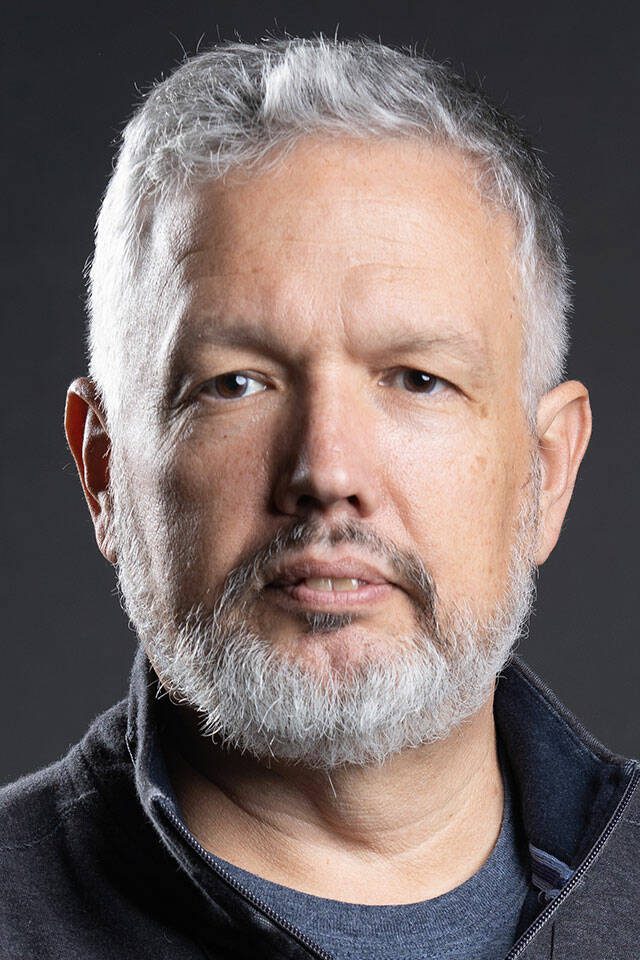
By Dan Hazen / Herald Forum
What’s that thing in your life that has plagued you forever? Ya’ know, the problem you can never seem to entirely solve. The persistent issue, your Achilles’ Heel, be-setting sin, your fatal flaw.
Maybe it’s your weight. Your temper. Choosing the wrong partners, over-spending, drinking too much or worrying about what other people think. There’s a great word for problems like these: intractable. It’s from the Latin meaning “out of control.”
What are the intractable problems we share as a community? The stuff we can’t seem to get control of. Most of us would include homelessness on that list. We could take up a lot of column width debating how homelessness is complicated and deeply interwoven with other underlying intractable problems like the breakdown of the nuclear family, poverty, substance abuse and greed, but let’s put all that aside and consider a couple of solutions that have a shot at turning homelessness from intractable to changeable.
First, is MESH — Micro Emergency Shelter Homes — an innovative partnership between the City of Marysville, Everett Gospel Mission and Marysville churches. The program serves those on the last steps out of homelessness and those who have just slipped into it.
People in this “at-risk” category of homelessness can sometimes be overlooked because their problems are not as obvious as the person sleeping on the street. For those who survived homelessness, those last steps to full independence can be the hardest because of circumstances beyond their control: housing prices, medical conditions, employment biases and more.
In a MESH house (owned by the city of Marysville and located right in our neighborhoods) residents have successfully navigated one of several possible Everett Gospel Mission programs and have stabilized such that they can contribute to their own housing costs, so an emergency shelter isn’t a good fit anymore (opening space for others), but when having their own place isn’t within reach yet.
MESH house residents pay an affordable, monthly program fee which includes their housing and utilities, plus supervision from mission staff. Partner churches meet with residents, providing encouragement, a bridge into community, life skills and practical help. By this fall, the program will expand from serving four individuals, to space for up to 14.
Second is Snohomish County Ordinance 23-051, the Rural Village Housing Demonstration Program. This housing model not only preserves Snohomish County farmland and protects sensitive ecosystems from runaway development, but introduces a new model of home ownership (co-housing) which makes it possible for those who could not otherwise participate in the high-stakes insanity of the single-family home mortgage game. Kudos to Snohomish County Council Member Nate Nehring and the rest of the ouncil for their forward thinking on this.
At first glance, it may not be clear how these programs translate to getting people off the street. But think about a too-often-unasked question surrounding homelessness: Where do we expect them to go finally? What are we expecting them to do with their lives after they come in out of the cold? Get a degree and a management job at Boeing?
Some might, but how long will that take? Where do they live in the meantime? And if they do succeed, are we really saying that the best we can hope for them is to grind away at a job most of us are already desperately longing to retire from while living distended and anxious lives to pay a mortgage or rent we can’t really afford?
Is that what we’re asking them to leave the streets for? Is that what we’re offering as hope? New ways to live (in community) and in new places (rural and urban villages) offer real possibilities for those who are willing to look beyond the intractable.
Dan Hazen is the community pastor at Allen Creek Community Church in Marysville.
Herald Forum
The Herald Forum invites community members to submit essays on topics of importance and interest to them. Essays typically are between 400 and 600 words in length, although exceptions for longer pieces can be made. To submit essays or for more information about the Herald Forum, write Herald Opinion editor Jon Bauer at jbauer@heraldnet.com or call him at 425-339-3466.