Comment: Everett council veteran voices concerns as she exits
Published 1:30 am Saturday, December 30, 2023
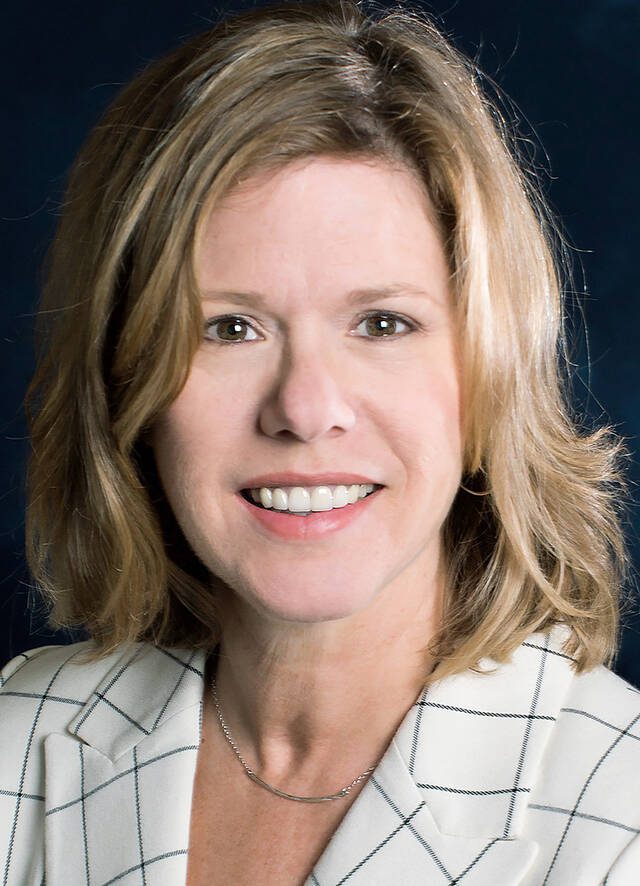
By Brenda Stonecipher / For The Herald
On Dec. 20, I presided over my last Everett City Council meeting, marking the end of my time proudly representing Everett on the council. As I transition away from public service, I want to take this opportunity to thank all who have made my time as a public servant rewarding and to reflect on my observations of changes in the public discourse and what it means for the future of our city and our society.
First, I want to express my deep appreciation and gratitude for our residents; for entrusting me with this critical responsibility, believing in my ability to serve faithfully and honestly, and continuing to show up for our city. As much has changed locally and worldwide, one thing has remained the same: This community cares deeply about one another and seeing Everett reach its potential. The experiences and lessons I take away from this position of leadership are ones I treasure.
Over the last few years, it has been great to see a rise in civic participation; since the post-covid return to in-person meetings we have seen heavy public attendance in chambers and others participating remotely. In addition, I’ve been impressed by how prepared our residents are when providing comment or reaching out to share feedback. It’s not uncommon for us to hear about a problem followed by many possible solutions. This level of proactiveness underscores the dedication of our residents, and it’s inspiring.
I also want to recognize the professionals who work for the City of Everett. Every city employee I have had the pleasure to work with over the past 20 years has embraced their work with enthusiasm, professionalism and genuine care. We are fortunate to employ such steadfast public servants.
One point of pride for me as a council member is having the opportunity to serve with a female majority on the council for the last two years. Having spent much of my time on council as the only woman, I take this milestone to heart.
While I have been gratified to serve these many years, I have experienced a palpable shift in how constituents, elected representatives, and others interested in our work interact with government. Some of the concerning trends we see in the national political climate are finding their way into the local level, and I believe they have the potential to diminish the strength of our democracy.
Any who have observed the council meetings over the past couple of years will have noticed a troubling shift in the tenor of the discussions, bordering on hostility and malice. While there have always been tense debates over policy matters and disagreements about what is best for Everett, the level of rancor I have observed on the dais and from the public has escalated.
Regularly, we witness verbal assaults, thinly veiled threats and hostility toward city workers; directed both to and from elected representatives and the public. While most of us who serve in elected office have “thick skins,” I worry this environment is dampening the effect on both those who are willing to serve and work for the city, and those willing to make a public comment. It is vitally important that the council adopt and enforce rules of conduct for themselves and the public who attend meetings, to ensure the council chambers remain a place where diversity of thought, critical thinking and asking tough questions is encouraged.
As a council member, I have always understood I was elected to do the work my constituents wanted me to, not pursue my own policy interests. As such, public input from residents and business owners has been critical to my decision-making and is something I’ve always weighed heavily as I’ve considered options.
Several factors, including the use of technology that allows the world to attend and comment at meetings and the influence of highly organized special interest groups, have made it more difficult to understand what our constituents think about an issue. Special interests, including developers, business owners, labor unions and others who activate on single issues, play an essential role in democracy; advocating and educating elected officials and the community about their particuplar interest. However, they should not have an outsized role in decisions. Council members must work harder to connect with their voters, to ensure they understand where the community stands on an issue, and to stand up to special interests when their objectives diverge from that of the voters.
Council members represent the City of Everett to our residents, to the region and beyond. How elected representatives conduct business shows our values and expectations. In my years as a public servant there were many instances when I was frustrated with the outcomes of our work. Still, I knew that to succumb to the impulse and lash out would reflect poorly on the professionalism of the council and the city.
While some may see decorum as an attempt to make representative government less accessible, I believe the expectation of civility is foundational for promoting respectful interactions.
Local government can do a great amount of good. The city council benefits from having representatives with diversity in culture, experience, education, profession, interests and more; this helps us to better relate to the varying needs and wants of the 115,000 people who live in Everett.
As taxpayers and voters, I call on you to strengthen our democracy by asserting your desires to those you have elected, providing feedback, and calling out actions that serve to degrade the public discourse. Our survival and collective prosperity as a city depend on the ability to work collaboratively and respectfully with one another, the administration, and the community.
I am confident this can be achieved, and I remain hopeful for our future.
Brenda Stonecipher, president of the Everett City Council, has served on the council for 20 years.