100-year-old Stanwood dike in need of emergency repairs
Published 1:30 am Tuesday, June 9, 2026
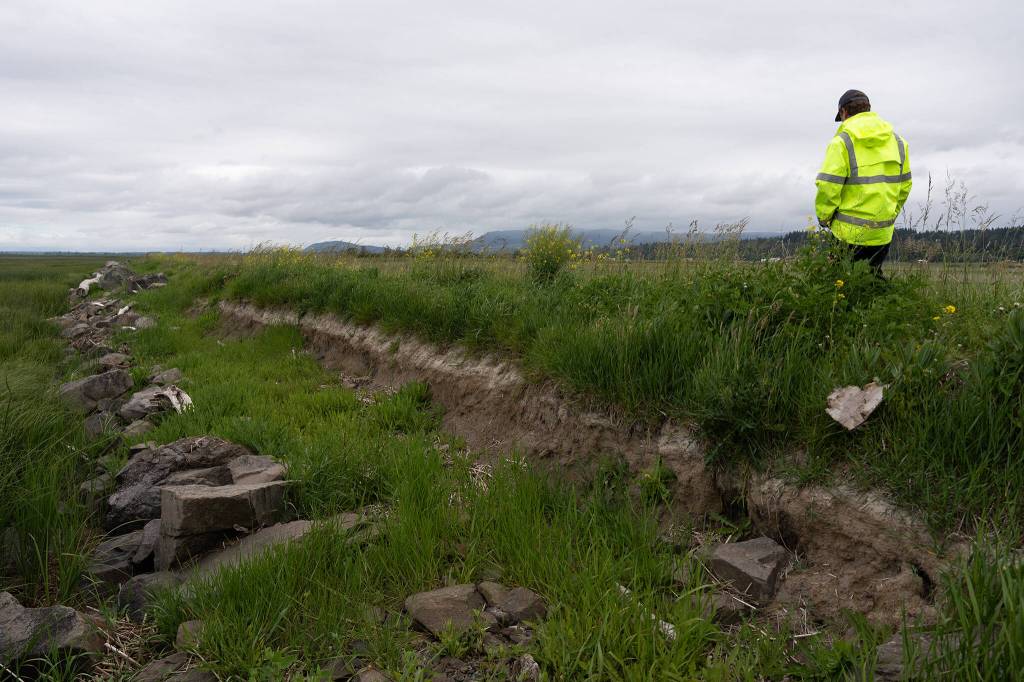
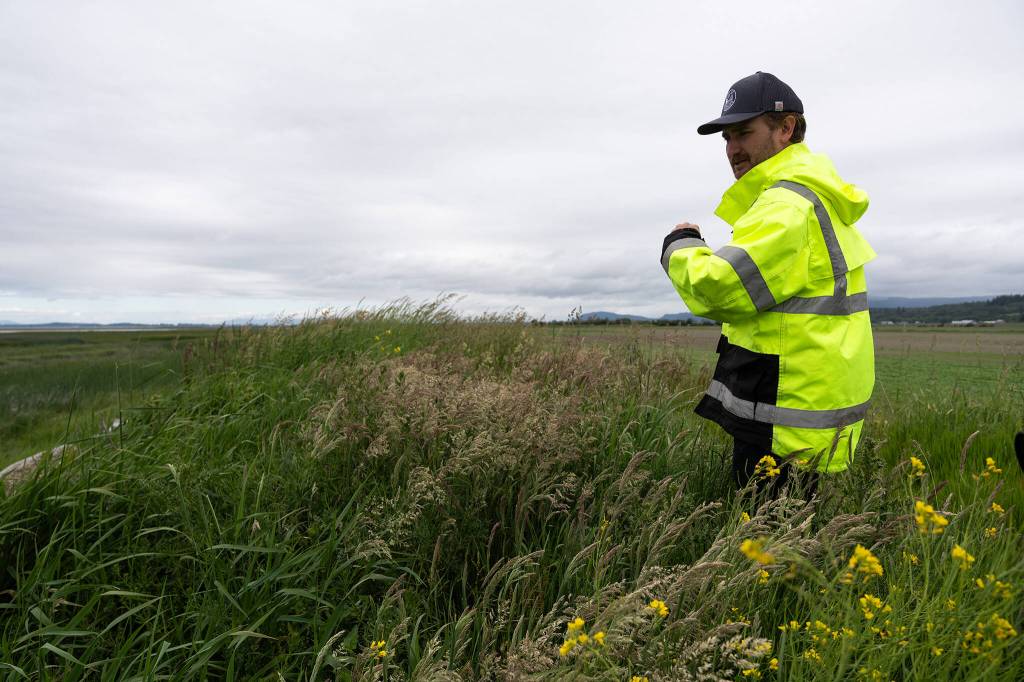
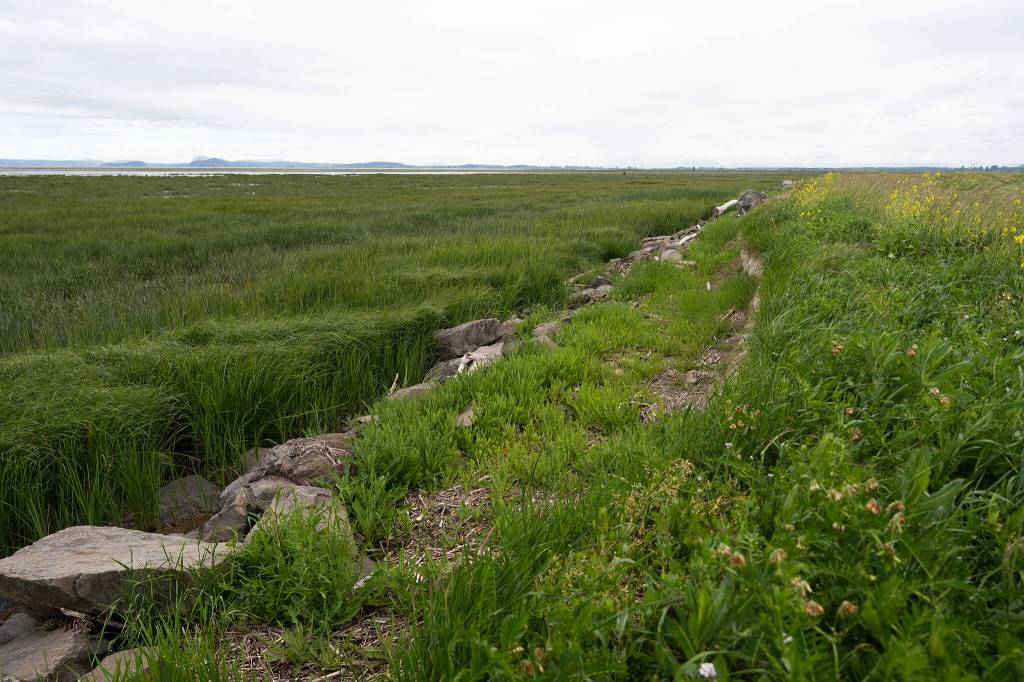
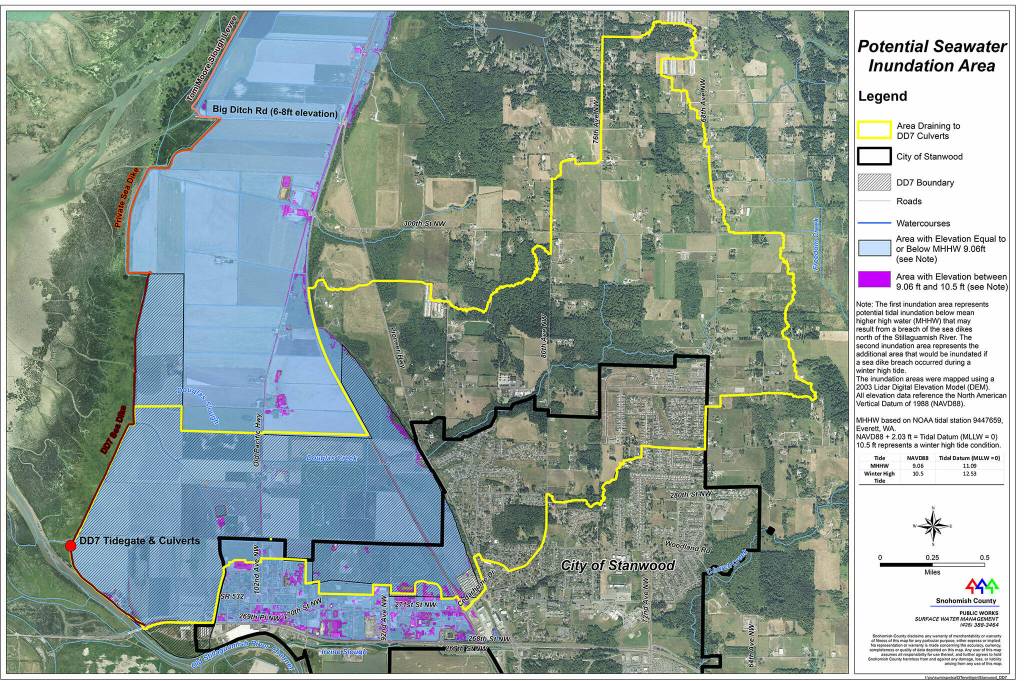
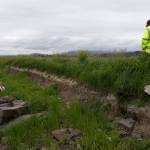


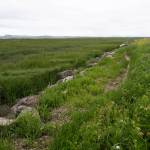

EVERETT — Just west of Stanwood, a 100-year-old mound of dirt and grass is the only thing holding back Puget Sound from flooding the city and the surrounding farmland.
In 2022, just weeks after Mayor Sid Roberts’ first term began, the dike broke. In January, days after the start of Robert’s second term, winter storms damaged 5,000 feet of the 4-mile-long levee once again.
“We had a king tide and wind event in January that took the face of the levee off of it in sections and over tops in sections,” city engineer Alan Lytton said in an interview Friday. “What we’re doing here is fixing the section that was directly damaged.”
It wasn’t an “outrageously strong wind or an outrageously high tide, just both of them happening at the same time,” he said.
“The dike is very, very weak,” Roberts said during the Friday interview. It has been on the city’s radar for about 25 years, and the entire thing — built by farmers in the late 1800s — needs improvement, he said.
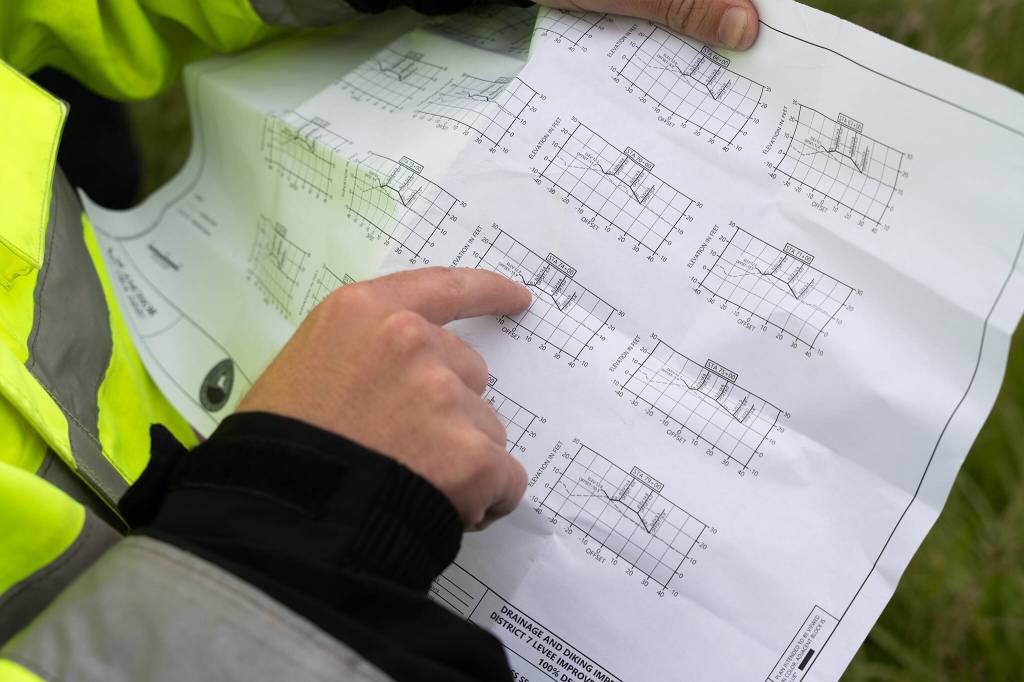
“One of the problems we have with our levees, it’s kind of different everywhere you look at it,” Lytton said. “It was built by different groups of people, and then repaired and replaced over the years. So what we want to do is provide a uniform width and height across the full alignment.”
Stanwood affirmed an emergency declaration issued by Roberts on May 28, allowing the city to expedite the procurement of contractors, equipment and materials for repairs estimated to cost $1.75 million, funded by Snohomish County grants, a press release said.
Stanwood, alongside the Stillaguamish Tribe of Indians and local, state and federal partners, has already raised more than $8 million in the last five years to repair the entire dike, the release said.
Once construction is complete, the damaged 5,000-foot section will be 12 feet wide and 14 feet high, the dimensions planned for the entire alignment, Lytton said. Once the emergency repairs are complete, the city wants that area to be uniform with the improved future levee, he said.
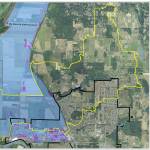
If the Skagit Bay dike gives way, a high tide could flood over 1,800 acres of farmland and submerge all of downtown Stanwood, endangering thousands of people, the release said.
There is a lot of support to fix the entire levee, Roberts said. A Flood Risk Assessment conducted by Snohomish County found that a severe flood and levee breach could result in close to $500 million in economic losses to the greater Stanwood area, the release said.
“It’s just that getting through the political permitting hoops has been pretty arduous,” Roberts said.
While improving the dike, workers would need to mitigate negative environmental effects, City Administrator Shawn Smith said Friday. Widening the levee would mean filling in either wetland or saltwater marshland, he said.
Past guidelines, “required like a four-to-one ratio of mitigation to fill,” Smith said. “So we’re filling about two acres, we’d have to mitigate like eight acres.”
The U.S. Army Corps of Engineers issues the permit, Smith said, but it must consult the National Oceanic and Atmospheric Administration.
That process has been delayed, possibly by an ongoing lawsuit in Skagit County, where the Skagit Dike, Drainage and Irrigation Improvement District 12 says the National Marine Fisheries Service imposed unnecessary environmental impact fees for repairing existing infrastructure, Lytton said.
“They’re saying maybe all the land protected by the dike should be counted in this mitigation calculation. So know they’re saying up to 50-some acres of mitigation,” Smith said. “But they won’t tell us that number. They won’t tell the Corps that number, so the Corps won’t issue us a permit.”
However, all that NOAA has told city officials is that they “do not have a calculator to figure out what this mitigation area is,” Lytton said. The hope is, once the lawsuit ends, “they’ll figure out how to calculate mitigation, or they’ll be told how to calculate mitigation,” he said.
With the emergency declaration, Stanwood has lobbied its federal delegates to pressure the Army Corps to issue permits for the necessary repairs, Smith said.
“We’re fairly certain that we’re going to get a permit. We’re proceeding that way, we’re getting ready to advertise for bids,” he said. “Then we’ll still wait 1-3 years to get the permits for the rest.”
Taylor Scott Richmond: 425-339-3046; taylor.richmond@heraldnet.com; X: @BTayOkay