Snohomish PUD prepares to open first battery storage site in Arlington
Published 1:30 am Friday, July 10, 2026
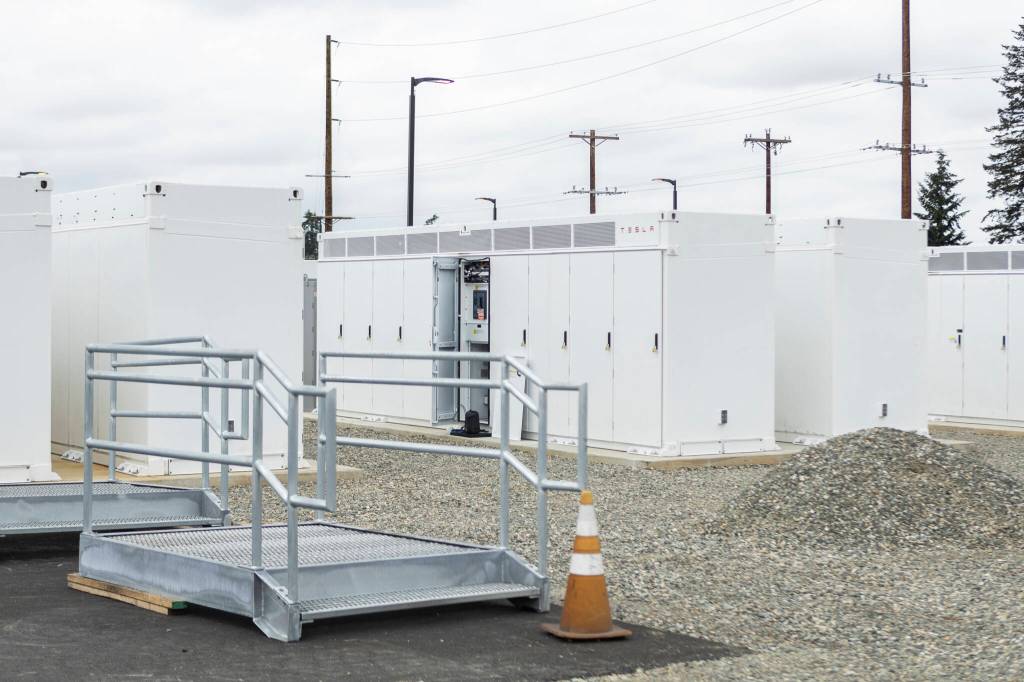
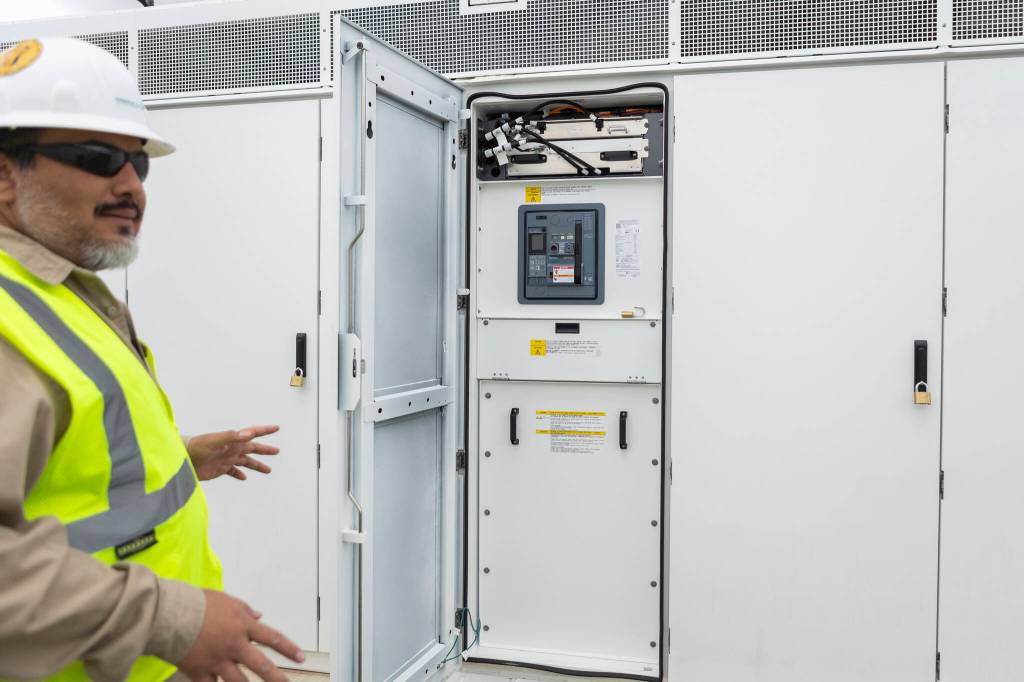
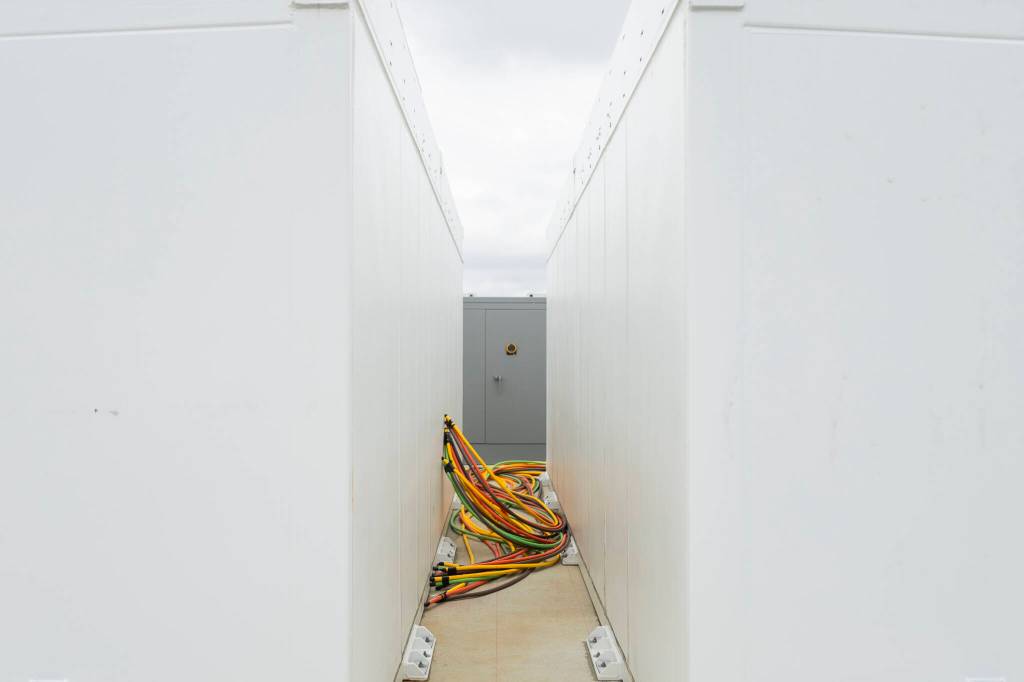
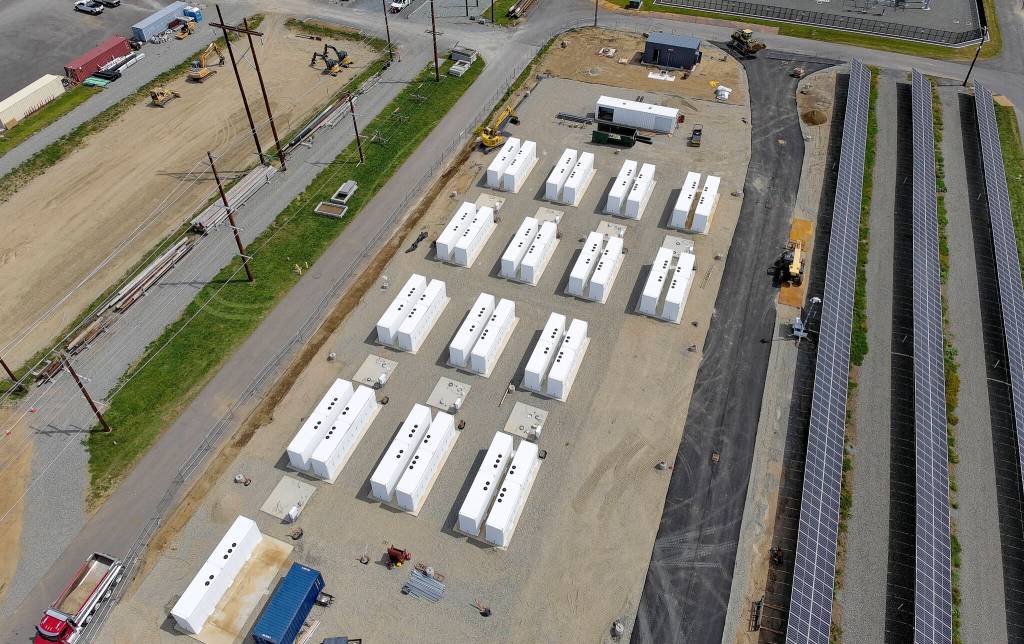
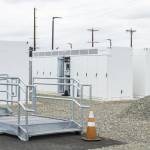


EVERETT — Washington’s first battery energy storage facility is set to open this fall in Arlington.
The facility will store up to 25 megawatts of energy when it is abundant and discharge it to the grid during peak times each month to help reduce costs, said Snohomish County Public Utility District spokesperson Erica Keene in an email. PUD purchases the majority of Snohomish County’s energy from the Bonneville Power Administration, a federal agency that primarily produces hydroelectric power.
“The PUD’s peak hour each month drives a significant part of the energy bill we pay,” Keene said. “Discharging a battery against these peaks can reduce our demand charges on a monthly basis.”
The facility won’t be fully energized until the fall, but 29 large Tesla batteries are already visible on PUD’s clean energy campus in Arlington. The facility is quite small — covering 1.4 acres — compared to other battery energy storage facilities in the works in Washington.
A facility under construction near Sumner will hold 200 megawatts of power on 8 acres of land, while a proposed facility near Snoqualmie would cover 45 acres.
The Arlington site will be owned and operated by the clean-tech company Ameresco under a 25-year agreement that makes PUD the sole customer.
Ameresco develops, owns and operates many energy infrastructure projects at the federal, state and local levels, both public and private, spokesperson Asli Basegamez said in an interview. As of March 31, Ameresco owned and operated 226 megawatts of battery energy storage assets, with additional battery projects in development and construction.
“For the PUD, the battery project is designed to improve resource adequacy and provide operational cost savings in power,” she said. “By reducing operating costs, we can help keep rates lower for customers and strengthen the economic vitality of the communities we serve.”
Battery farms in Washington have faced public resistance, according to the Washington State Standard.
In response to the proposed Snoqualmie battery site, the city council enacted a yearlong moratorium on battery facilities in May.
Opponents of battery farms are concerned that lithium-ion battery fires could pollute the air with toxic fumes. While developers consistently use the term “rare” to describe the frequency of battery fires, critics say “rare” does not mean “never”.
“Safety is the top priority of the PUD. Ameresco has built the new battery system to industry-leading safety standards,” Keene said. “It meets all applicable local and international fire codes, as well as local development codes and permits for spacing and thermal detection.”
Ameresco and the PUD have an interim emergency response plan in place while the system is installed but not yet energized, with a full plan activating once operational, she said. PUD has not received any pushback from Arlington residents, Keene said.
City officials have also not received complaints about the facility, Arlington spokesperson Mandy Kruger said in an interview.
At this time, PUD has no plans to build more battery facilities, Keene said.
“We may consider it for the future,” she said. “Any future needs will go through our resource planning process.”
Taylor Scott Richmond: 425-339-3046; taylor.richmond@heraldnet.com; X: @BTayOkay