Howell: Opportunity with transit consolidation
Published 1:30 am Tuesday, August 4, 2026
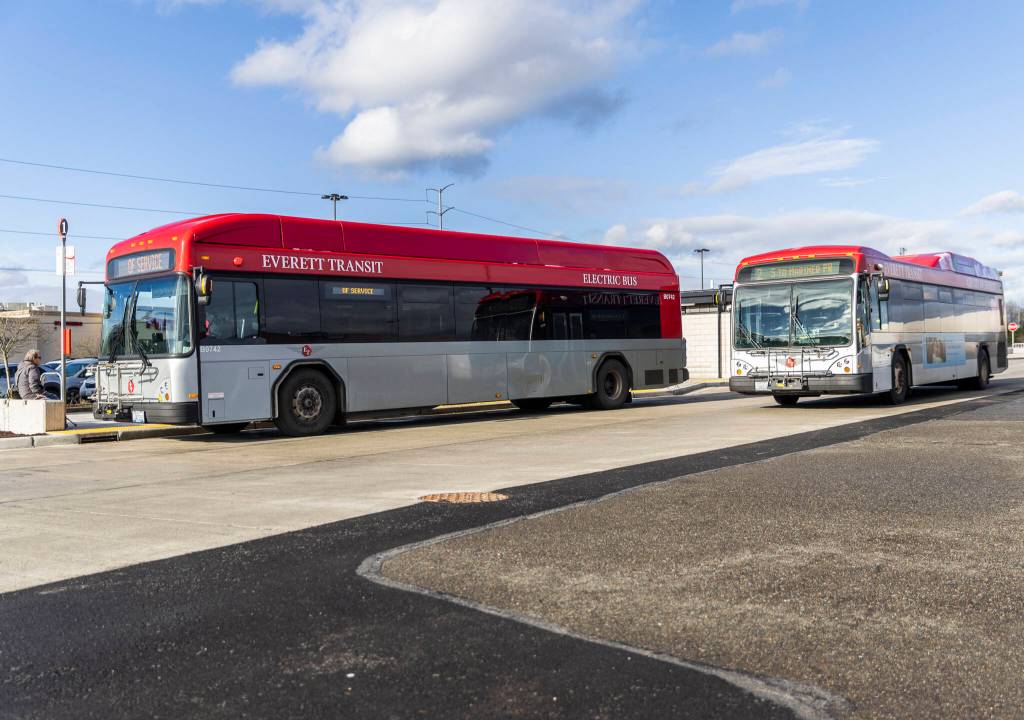
The proposed consolidation of Everett Transit and Community Transit represents one of the biggest opportunities to improve transit service in Everett in decades.
Everett Transit drivers and riders are proud of the 133 years of the transit service in the city. This service has changed many times, dating back to privately owned horse-drawn carriages operated by the Everett Transfer Company and Pacific Transfer Company.
Streetcars rolled on Everett streets from 1893 to 1923, operated by the Everett Railway, Light, and Water Company. With city council approval, the company transitioned the streetcars to buses and eventually rebranded as “Everett City Lines.” In 1969, Everett voters saved the privately-run bus system from financial hard times, transforming it into the publicly-owned Everett Transit we now know and love.
Today, Everett Transit is a well-run agency operating that provides solid service to residents without the support of the city’s general fund. Yet improving transit remains an essential strategy towards the City of Everett’s transportation future.
As light rail arrives, the city will need excellent local transit service to connect people to the train. Better local transit service will allow people to leave their car at home and ride the bus to rail. This will reduce the need to build expensive parking garages near transit, and we can instead prioritize the land near light rail for housing and jobs—further increasing ridership.
Improved local transit services will also help Everett fully realize its potential as a metropolitan city. Everett is projected to grow to 179,000 residents and 167,000 jobs by 2044. The natural space efficiency of transit means the city will be able to accommodate more people traveling on the public right-of-way, and accommodate more housing and commercial space.
To efficiently move people on our streets, we will need a transit system that is fast and frequent.
According to the Rethink Transit Study conducted by Community Transit and Everett Transit, consolidation will increase the number of bus stops in the city with at least 15-minute frequency in 2036 from 219 to 590 stops. This is significantly more than could be accomplished with a voter-approved increase in our city’s sales tax for transit to 0.9 percent (a 169% vs a 51% increase).
Fifteen-minute headways is a watershed moment. As transit policy expert Jarrett Walker says, “Frequency is Freedom.” Walker explains, “High frequency means transit is coming soon, which means that it approximates the feeling of liberty you have with your private vehicle – that you can go anytime.”
The Rethink Transit Study’s finding on access to jobs also reinforces the importance of improving transit to the city’s economic growth. An increase of the transit sales tax to 0.9 percent only increases the number of jobs within a 30-minute transit ride from 52,800 to 58,600 jobs, while consolidation brings 76,300 jobs within a 30-minute ride.
To maximize the opportunity presented by consolidation, here are seven recommendations to implement over the next several years:
1. Implement the service levels contemplated in the Rethink Transit Study, especially the percentage of bus stops with 15-minute service.
2. Untangle the downtown transit knot. Today, Everett Transit’s routes add several minutes to rides as they wind through downtown and the Everett Station District. By increasing frequency on routes, especially one east-west route to connect Downtown with Everett Station, the system can be vastly improved for riders.
3. Structure the Community Transit Board to ensure the City of Everett is represented, membership is based on geography rather than city size, and transit riders are represented.
4. Ensure Community Transit reports to city council and the Everett Transportation Advisory Committee on a regular basis, just as Everett Transit does today.
5. Ensure people with disabilities and older age can continue to receive a high quality of service. To replace the paratransit service quality now enjoyed in Everett, Community Transit should explore deploying an additional Zip microtransit service for people with disabilities and older adults in Everett or funding an expansion of Homage Senior Services’ Transportation Assistance Program.
6. Integrate broader City-led street improvements and community development strategies with Community Transit’s Swift Gold Line project, which has the opportunity to transform Broadway into a safer, more beautiful street with rich transit access.
7. Commit to transit-oriented development. Community Transit will become one of the largest landowners near Downtown. As the city plans for light rail, the agency should continue the city’s policy priorities for more housing and jobs near transit, including sharing parking with adjacent development, supporting other organizations’ efforts to reduce the need for parking and increase transit ridership, and building housing and commercial space on agency-owned land.
Too many details remain unsorted for most of these recommendations to be specified in the interlocal agreement that will soon be before city council. Community Transit will need to study and develop the recommendations through updates to its long-range plan, six-year transit development plan, and annual service changes.
Nonetheless, with such a huge opportunity for better service, it’s incumbent upon the city to move forward on consolidation, set an expectation of high-quality service befitting a major metropolitan city, and work with Community Transit to deliver.
Transit in Everett has undergone many transformations. The consolidation of Everett Transit with Community Transit is one more historic moment for transit service in our city. Let’s make the most of it.
Authored by Brock Howell is the Executive Director of the Snohomish County Transportation Coalition (Snotrac).