‘Consummate judge’ Thomas Wynne remembered for fairness, progress
Published 8:50 am Wednesday, August 12, 2026
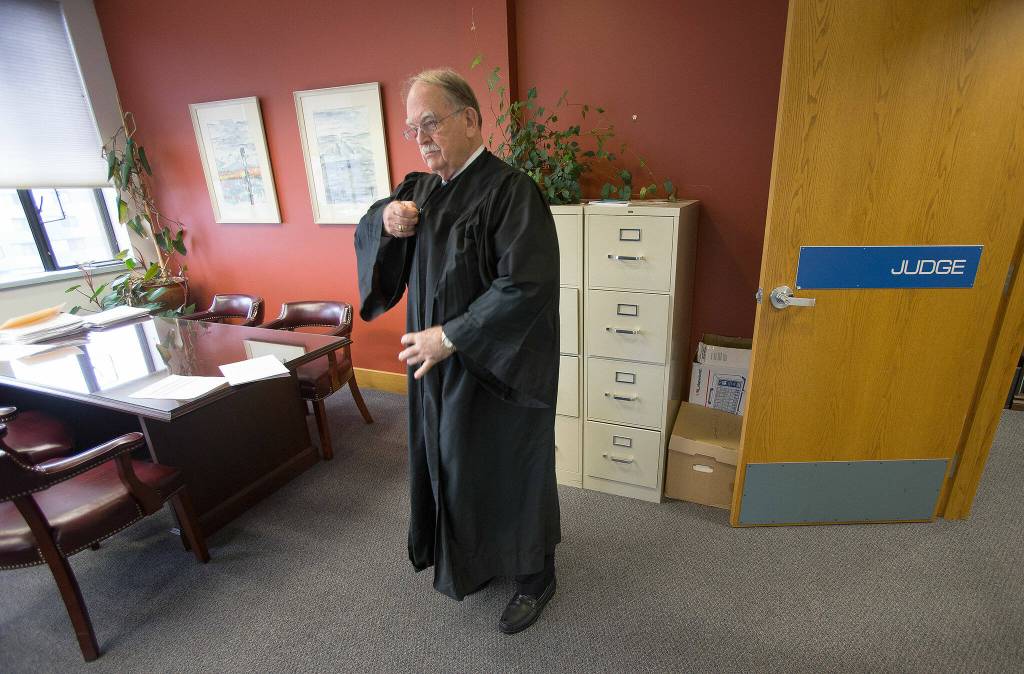
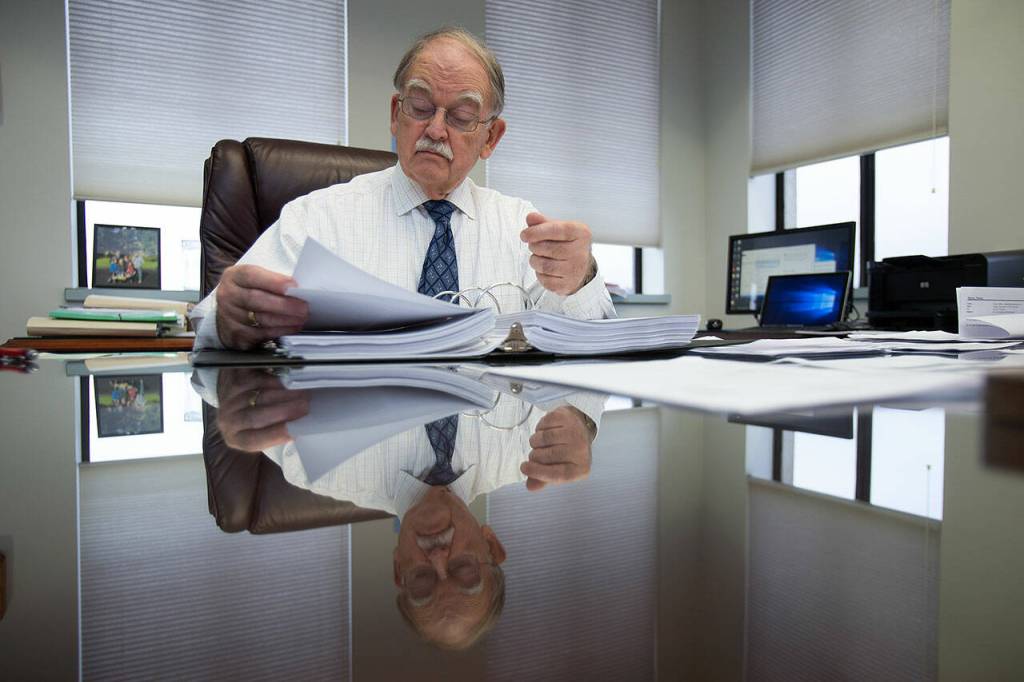
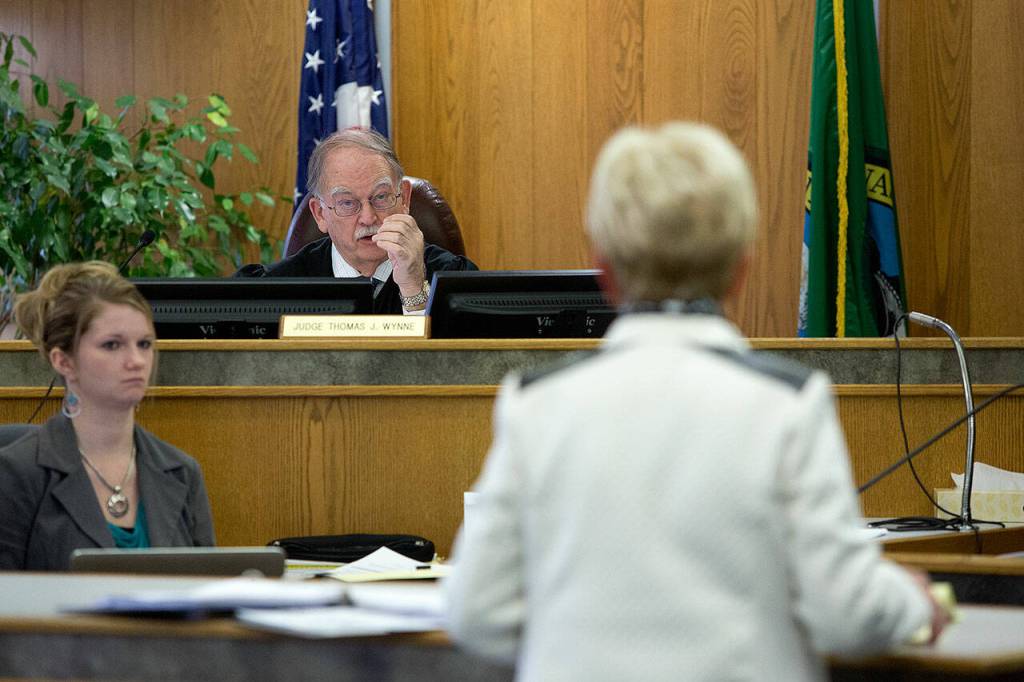
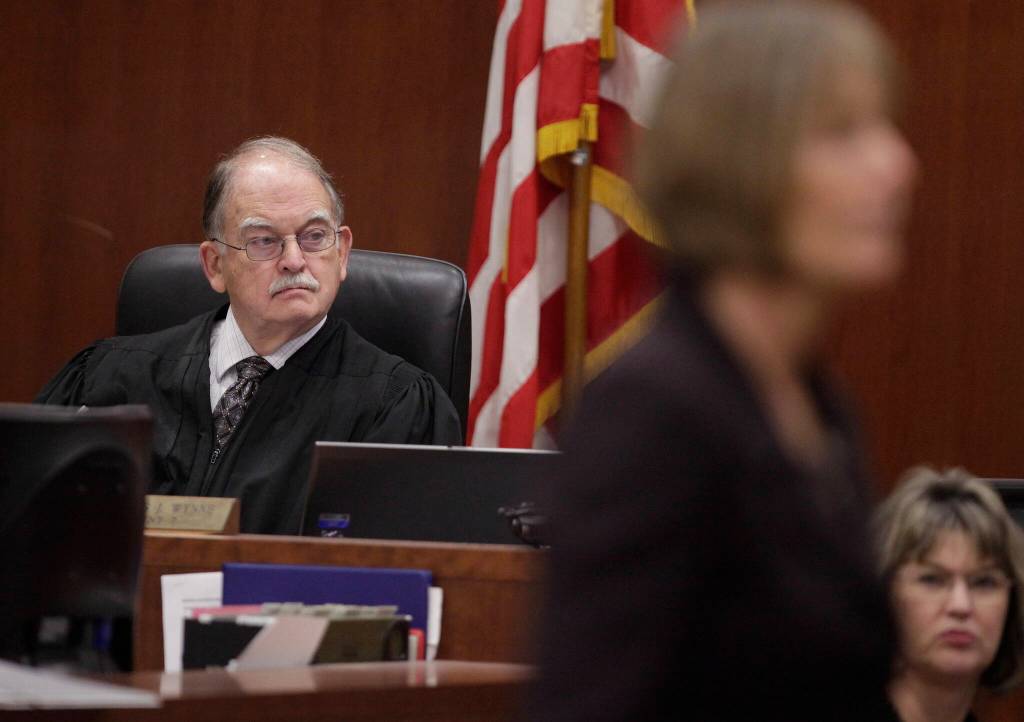





EVERETT — Colleagues are remembering Thomas Wynne as a stalwart of the judicial system in Snohomish County for more than four decades. The longtime judge, known for his pragmatic decision-making and a progressive approach to technology, passed away on June 16. He was 83.
Wynne, an Everett native and U.S. Army veteran, spent nearly half of his life in judicial robes behind a courtroom bench.
He was the state’s longest serving Superior Court judge at the time of his retirement in 2017. Even then, Wynne didn’t give up his gavel, instead opting to spend a year presiding over cases in Everett’s Municipal Court.
“Judge Wynne was probably the consummate judge,” said Superior Court Judge Richard Okrent, who described Wynne as a mentor. “He was fair. He listened to everybody. He knew Snohomish County people like nobody else did, because he was from Snohomish County.”
The son of a postal clerk, Wynne graduated from Everett High School before attending law school at the University of Washington and entering the Army, according to previous reporting from The Daily Herald.
His legal career began with a position as an assistant attorney general for the state of Washington, but Wynne quickly returned to his hometown, landing a job as a deputy prosecutor in the Snohomish County Prosecutor’s Office, where he stayed for seven years.
Wynne then took the bench as a judge in South District Court for 14 years before becoming a Snohomish County Superior Court judge in 1993, the same year he retired as a lieutenant colonel in the U.S. Army Reserves following 22 years of service.
Retired attorney Bruce Keithly said he’d known Wynne since the pair were “baby attorneys,” practicing law together for the prosecutor’s office in the 1970s. Keithly said he went on to argue cases in front of Wynne once he took a seat as a judge.
“What stands out about Tom to me is how much he loved the law and loved being a judge,” Keithly said. “He went to unusual lengths sometimes as a trial judge to get the job done right.”
His colleagues displayed a similar reverence, making the uncommon decision to select Wynne as the presiding judge for Snohomish County Superior Court on two separate occasions.
“You know, truly you got justice when you went in front of Judge Wynne,” said Judge Okrent, who said he practiced as an attorney in front of Wynne for nearly two decades before taking a seat on the bench.
Kathleen Kyle, executive director of Snohomish County Public Defenders Association, said Wynne ran a respectful courtroom.
He’d listen intently to litigators and nod along, lulling attorneys like herself into the belief he was on their side, Kyle said. The judge took justice seriously, she said, even when the outcomes didn’t always align with what the public defender wanted.
“I think Judge Wynne was very interested in honoring the law and making sure that the system’s integrity was upheld,” Kyle said.
Admiration for Wynne reached across the courtroom. Snohomish County Prosecuting Attorney Jason Cummings said he thought the world of the man, who he considered a friend.
“His legacy at the courthouse goes beyond the cases he oversaw,” Cummings said. “I think most significant was Judge Wynne’s connection to so many of the current sitting judges. Judge Wynne was a tireless campaigner for many of the judges currently on the bench. He did this because he cared tremendously for the quality and caliber of judges on our bench.”
Superior Court Judge Cindy Larsen is a part of Wynne’s web of judicial disciples serving in Snohomish County.
She first worked as his law clerk in the late 1990s, where Larsen said Wynne empowered her to see she could in fact be a trial lawyer. Larsen then followed in her mentor’s footsteps, taking a job in the prosecutor’s office and eventually running for his seat on the Superior Court with Wynne’s endorsement, after he bowed out of the election cycle in 2016.
Everything about Wynne, down to his demeanor, was judicial, Larsen said.
“He never showed any signs of his own personal thoughts on things, he just applied the law as he saw it to the facts and (would) go from there,” Larsen said.
Wynne was known as a trailblazer for embracing and evolving with technology while other judges shied away from advancements like email.
He is credited with helping the state of Washington adopt online case management tools, including the Odyssey system that allows electronic access to court records for judges, court staff and the public.
In Snohomish County, this allowed judges to look up cases on their own, instead of pouring through piles of calendars and documents retrieved from the clerk’s office, Larsen said. Wynne’s proactive decisions put the local court system first in line for the switch to e-filing.
“That was a huge part of his legacy,” Larsen said. “It was important and it was going to go that way eventually, so he got us started on the right foot and early.”
He also chaired the state court’s data dissemination committee, which worked to remove juvenile court records from public websites, the Herald previously reported.
When it came time for Wynne to retire, it was state law, not a lack of desire that pushed the jurist out of Superior Court.
At the time of his exit, Wynne planned to seek another term, but he wouldn’t have been able to serve it all the way because of a looming age limit for judges of 75 years old established by the state Constitution.
Instead, he took his legal mind to Everett’s Municipal Courts, where the city council passed an exemption for Wynne, so he could serve a final year on the court despite not living in the city of Everett.
“I have 38 years of judicial experience to offer the city,” Wynne told the Herald in 2016. “I was born in Everett and grew up and graduated high school here. My family goes back several generations in Everett. I think it’s appropriate that I complete my judicial career at Everett Municipal Court.”
In retirement, Wynne was known as a family man, a world traveler and a prolific poster to Facebook, but he also continued to be a resource for those in the local judicial community.
He supported other superior court judges by providing his expertise and by hammering in campaign signs, despite being in his late 70s.
Larsen said she’d call Wynne for courtroom advice long after his career ended, including running a case by him as recently as when he was in hospice care.
“He was still right on point, very sharp,” she said. “Right up to the very end, he had a great legal mind.”
Ian Davis-Leonard: 425-339-3097; ian.davis-leonard@heraldnet.com