M’s players impressed by Ohtani’s two-way prowess
Published 1:30 am Saturday, May 5, 2018
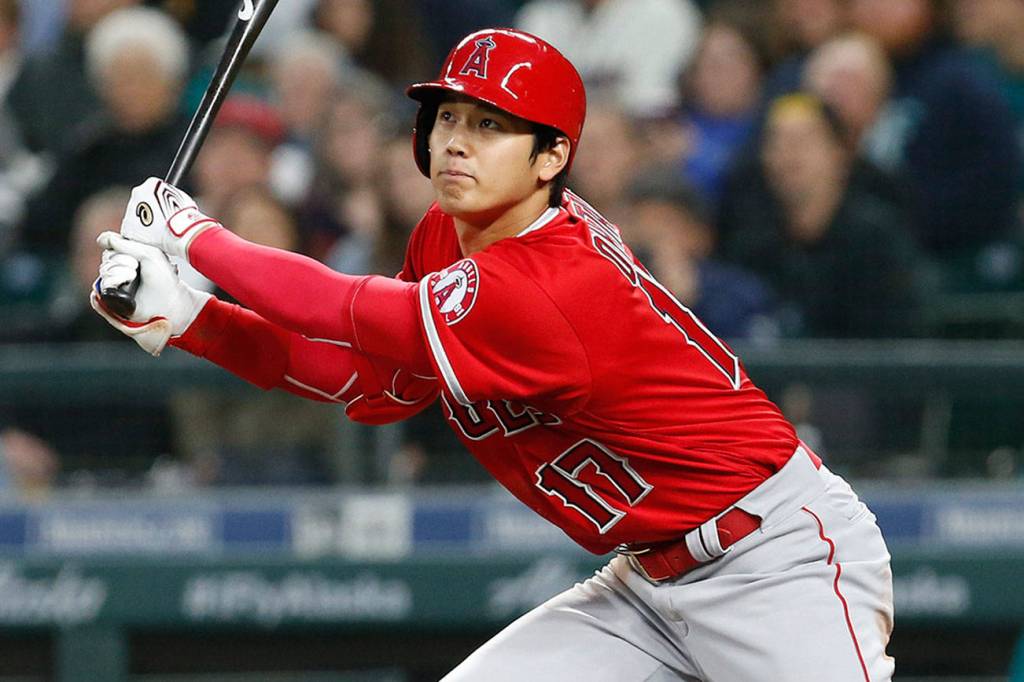
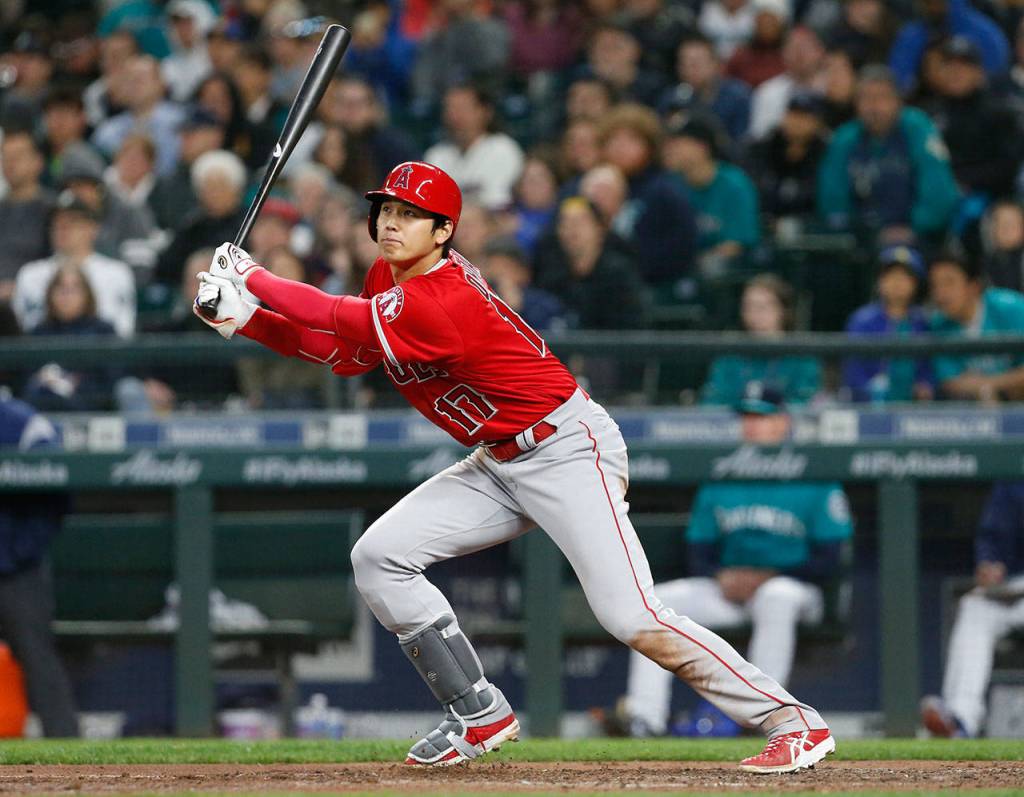


SEATTLE — Shohei Ohtani said he was disappointed he didn’t get to play against his lifelong idol, Ichiro Suzuki, this week.
But he didn’t have much time to think about that.
The Los Angeles Angels’ two-way star had to throw a bullpen session just beyond the left-field wall at Safeco Field, preparing his arm to pitch later this weekend. He was officially announced as Sunday’s starter against the Mariners’ Felix Hernandez in the series finale in Seattle.
Then Ohtani had to get in some batting practice. He hit fifth in Friday night’s game.
On top of all of that, he’s never been here before. The 23-year-old rookie out of Japan was flooded with boos in his first at-bat Friday in front of more than 41,000 in attendance because he chose to sign with the Angels this offseason despite many considering the Mariners to be the favorite to land his services.
“I’m not really used to being booed,” Ohtani said through an interpreter. “That was probably the first time. So it was a little bit awkward, a little bit weird.”
He struck out in his first at-bat but finished 2-for-4 — and his two hits were hit hard, including one over left fielder Ben Gamel’s head the opposite way for a double to the wall.
Ohtani is extremely early into his young career, but with the tools he has and early success, it’s no wonder so many compare him to Babe Ruth.
So why don’t more players embrace both hitting and pitching?
A few around the Mariners clubhouse were asked about that this weekend.
Left-hander Marco Gonzales, who started Satuday’s game, did that at Gonzaga University. He even earned the John Olerud Award as the two-way player of the year in the West Coast Conference. He pitched and played first base there.
But did he entertain the idea he could continue that in the major leagues?
“Never,” Gonzales said. “Never ever.
“It’s so much different. You’re playing 3-4 games a week (in college) compared to every day and pitching every five days. And I mean, the travel included in that — it’s a lot. It’s a big task. I think if you’re not really, really, really special I just don’t know if it can be done.”
Robinson Cano didn’t even want to think about the last time he pitched when he was growing up. He did say he thought he could throw about 92 mph, though.
Ohtani has thrown over 100 mph.
“No, no, no, no,” Cano said when asked if he’s ever wanted to try pitching. “I don’t like to pitch. I’d hate to give up homers.”
Ohtani’s explosion onto the baseball scene figures to draw a wider audience, especially with a younger one drawn to the video-game-like component of this two-way prowess.
“I promote it,” Mariners right-hander Mike Leake said. “If you can have a league full of talented two-way players, wouldn’t you want that? More people who are like, ‘Wow, you can do that?’”
“I’m intrigued,” Gonzales said. “Whenever I see him on TV, I’ll stop and watch.
“But it’s also so early to try to call. You saw what the media was saying about him in spring training, saying he should start in the minor leagues — all based on a three-week period of games. Now we’re a little over a month in and now he’s Babe Ruth. There’s going to be ups and downs.”
Mariners manager Scott Servais, a former big-league catcher, balked when asked if he was a two-way player in high school.
“I don’t think there were many big leaguers who didn’t pitch in high school,” Servais said.
Most major league players were two-way players at some point growing up. But that’s just because they were the most superior athletes.
“To be able to do both at such a young age and producing on both sides, we’ve never seen it before,” Servais said. “There are a few guys around who can do it. But it has to be the right combination of just over-the-top athlete and a team that is going to allow it to happen. And I think when Shohei made the decision to come to the states, he was holding all the cards. He dictated it. And he’s shown everybody he can handle it so far.”
And major league pitchers basically live in a constant state of soreness.
“It was tough when I did that in college,” Gonzales said. “There were days I’d pitch Friday night and Saturday, and Sunday I would be hurting. I played first base, so luckily I didn’t have to move very much. But that’s a lot of strain on your body.”
But Ohtani lucks out that he throws right handed, but bats left handed. So he’s not rotating on the same hip every time.
“If he was having to rotate on his left hip every time I think that would be dangerous for him because there’s a lot of corrective work in between to try to unwind your body,” Gonzales said. “My hips and back are all misaligned just from going one way the whole time. So he lucked out hitting left-handed.”
Leake had seasons when he hit well in the National League for the Reds and Cardinals. And all of this Ohtani craze had him holding out hope his two-way days are still ahead of him.
“I don’t think I’ve ever stopped believing,” Leake laughed. “But I know that’s a long shot and that’s not my job right now. I’ve just always enjoyed hitting and running the bases. It’s just fun. I think every aspect of being on the field is fun – more than sitting in the dugout.
“I hope he gets to the point where he can play every day and he can pitch and they don’t take away position playing for him. I think that’s part of the fun of the game.”