6 in Washington sickened by Salmonella linked to songbirds
Published 6:12 am Tuesday, April 6, 2021
Associated Press
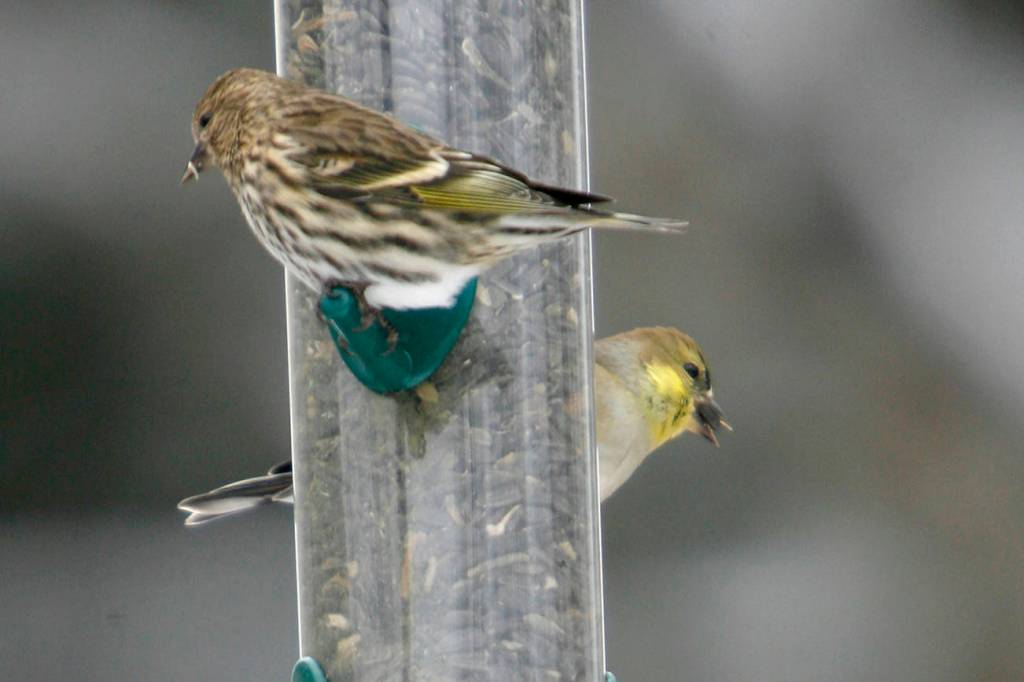
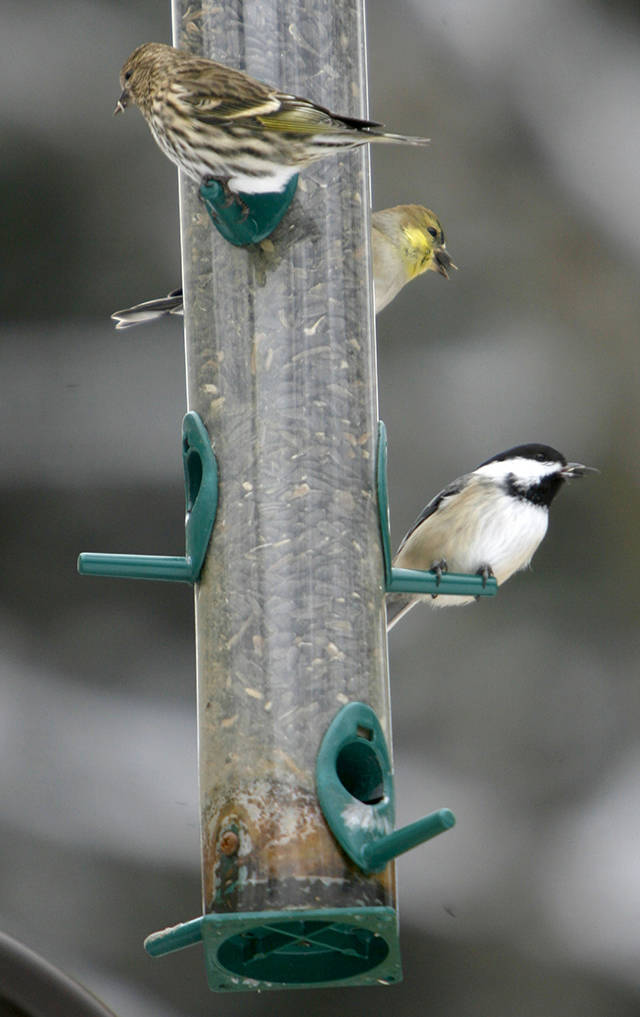
OLYMPIA — Six Washington residents have become ill in an outbreak of Salmonella Typhimurium, believed to be linked to wild songbirds, particularly Pine Siskins, state health officials said Monday.
The Centers for Disease Control and Prevention is reporting 19 cases of Salmonella in eight states, the Washington state Department of Health said.
Washington state on Monday reported one case each in Clark, King, Lewis, Kitsap, Spokane and Thurston counties. Three Washington cases have required hospitalization, officials said. No further information about how people were infected was released.
Salmonella germs can spread between species of birds, to pets and to people, officials said.
Department of Health epidemiologist Beth Melius said people shouldn’t touch or hand-feed wild birds with their bare hands.
Symptoms of Salmonella can include fever, diarrhea, nausea, vomiting and abdominal pain and can be fatal in severe cases. Infants, young children, the elderly, pregnant women and people with a weakened immune system are at greatest risk.
“Cleaning your bird feeder or bird bath weekly or whenever it is dirty can help keep people and animals healthy,” Melius said. “And, always wash your hands after touching your bird feeder or bird bath.”