They may prefer trails, but hikers still need usable roads
Published 1:30 am Sunday, May 29, 2022


By Washington Trails Association
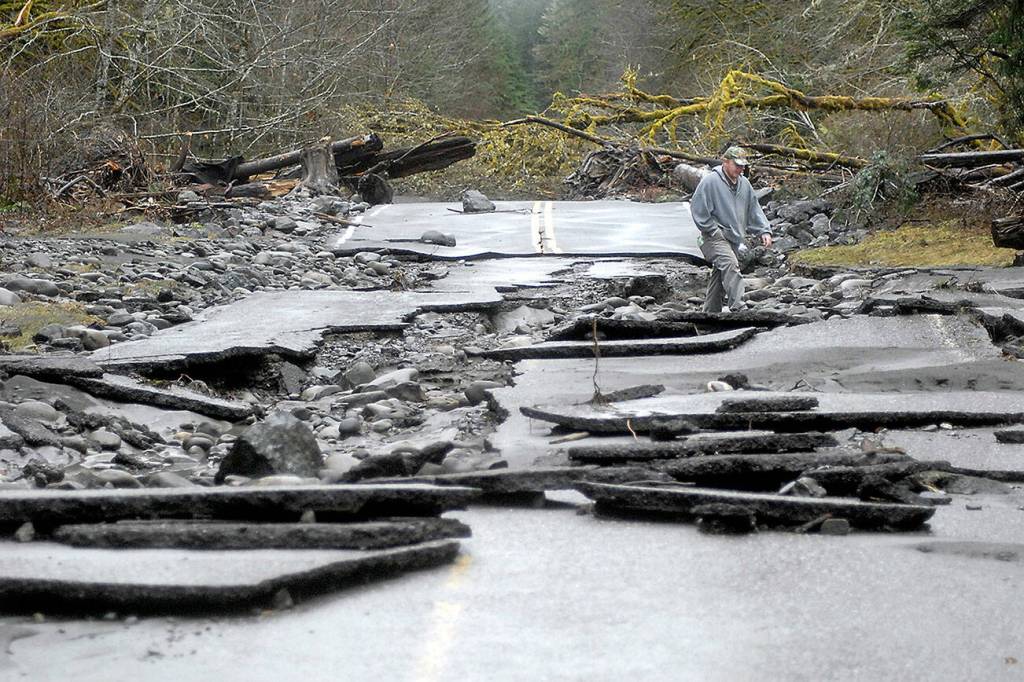
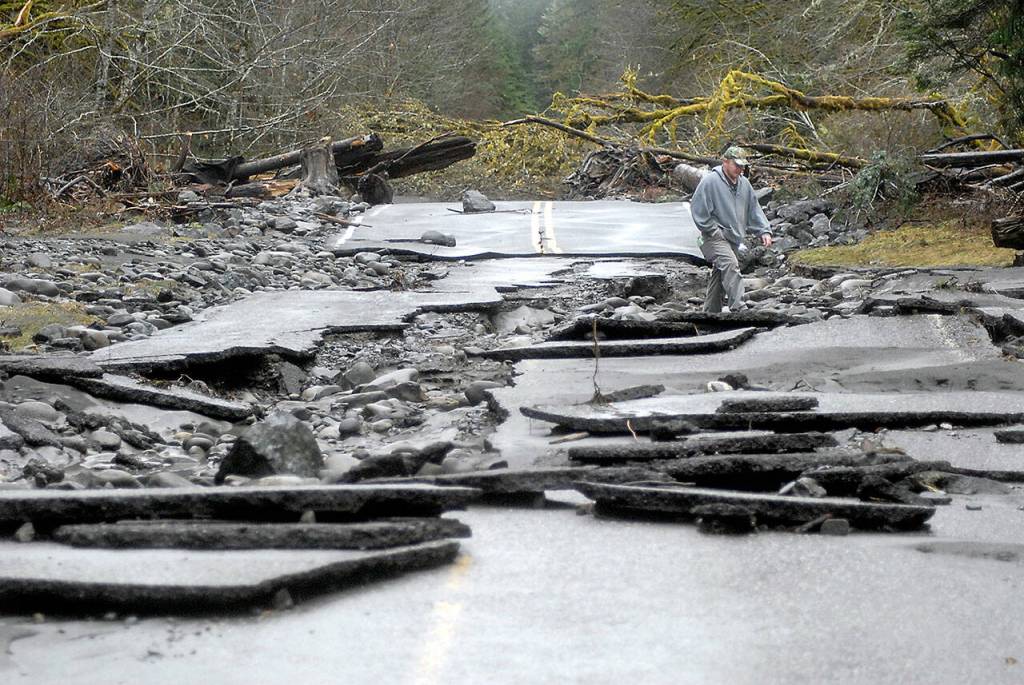
Right now, at least 14 major forest service roads are restricting access to dozens of destinations on Washington’s public lands.
Maybe you’ve noticed this. While spring is a beautiful hiking season, it’s also a tough time to find overnight destinations in Washington. That’s because there’s still snow in the hills, which means if you want to go camping or backpacking without a snow-ready setup, your options are mostly riverside trails. Unfortunately, winter storms and flooding can knock out the roads leading to those trails, leaving hikers with limited options right now.
Luckily, WTA has an extensive hiking guide you can browse to find alternate destinations, and we have tons of resources to build your skills and confidence in getting outside if you’re ready to take the next step. You can browse through those for inspiration or a new destination while waiting for the road to your bucket list hike gets repaired.
Roads enable recreation and critical maintenance
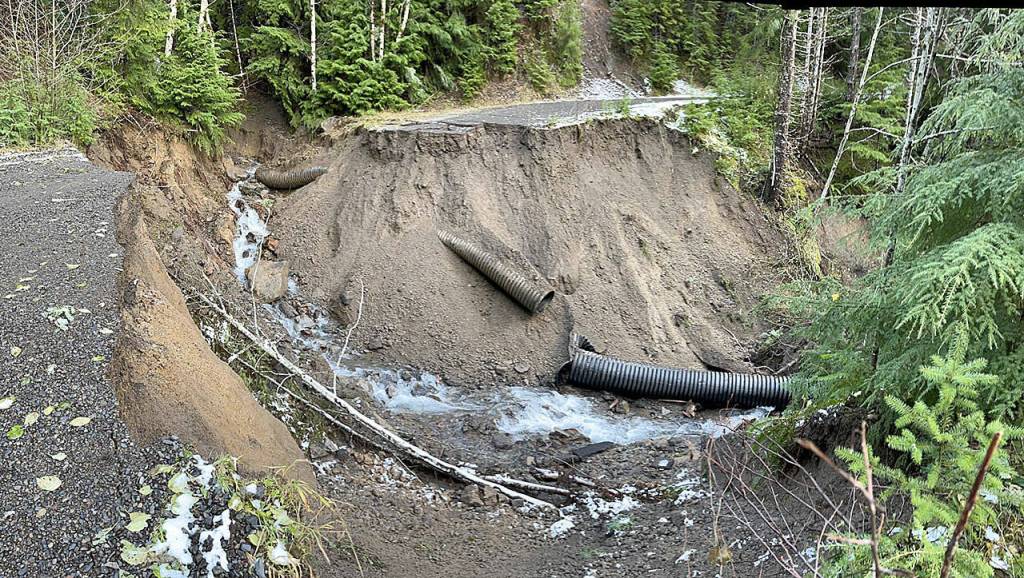
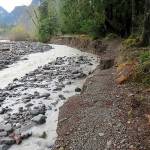
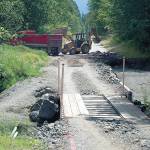
A washed-out road often means more than one trail is out of the running; it can cut off an entire area to recreation and prevent key maintenance from occurring. In fact, the Forest Service currently uses four times more money to fix roads than trails or facilities, and many roads need to be repaired every year.
Looked at it that way, it’s remarkable how much work gets done to restore access to the forest each year. But as more people want to get outside and our changing climate makes for wild weather, the number and severity of road washouts will likely also increase. And so will the cost of those repairs.
We’re already seeing those impacts on the ground. In March, an atmospheric river event on Olympic National Forest lands triggered multiple debris flows and washouts and caused more than 10 major areas of road damage. This event left the Olympic National Forest with an estimated 2 million dollars worth of damages and will require approximately two years for repair. And that’s on top of deferred maintenance and longer-term issues the agency was already grappling with.
How does this happen?
Just like trails, roads can be blocked by downed trees, flooded by clogged drains, or eroded away by a river or creek. In many cases, downed trees or brush are relatively straightforward to clear, but washouts are a different matter. In addition to being frequent and costly to repair, washouts also introduce sediment into the water of salmon-bearing streams, making the water turgid and harder for salmon to survive in. So it’s in the agency’s best interest to repair them in a more permanent way, but that can be much more expensive than a quick patch-up.
That’s where WTA’s efforts on the Legacy Roads and Trails Program comes in. Since 2008, this federal program has had the key goal of conserving recreation access and promoting environmental health. The work Legacy Roads and Trails does considers the whole ecosystem. A project through the Legacy Roads and Trails Program would clean out culverts and do maintenance work to avoid the washout in the first place.
It also means moving entire roads out of the problem area instead of repairing them where they lie.
But moving a road can be hundreds of thousands of dollars and years of maintenance. For example, 60 feet of the Elwha River Road washed out in 2014 after the Elwha Dam removal restored the river to its meandering nature of the river. A sustainable fix here means moving the road out of the floodplain, since further washouts where it currently lies would impact the very salmon the dam removal was intended to protect.
Addressing the funding gap
WTA’s advocacy work focuses hiker’s energy and passion to promote projects that benefit hikers while also considering how a project will affect the integrity and ecology of the landscape.
“We cannot access the majority of Washington’s incredible wild places without Forest Roads,” explained Andrea Imler, advocacy director at WTA. “Yet funding for maintaining and repairing forest roads is woefully lacking, leaving some roads and trails inaccessible for many years. As managers of our national forests, the Forest Service has a duty to keep these roads accessible, but funding from Congress has dwindled over the years and doesn’t come close to meeting the need. Congress must address this gap and increase the funding that the Forest Service receives so everyone can access and enjoy our backcountry trails.”
Two ways to help
Make your voice heard: Our legislators support this work, but they need to hear from hikers who appreciate the work. By joining our Trail Action Network, you’ll join the chorus of hikers speaking up for trails. And sometimes that means speaking up for road repair. Because improving access doesn’t just mean clearing trails, it means improving our ability to even get to the trailhead. wta.org/tan
Report problems: Encounter a washout or rough road? Please file a trip report to help out other hikers and land managers. wta.org/tripreports.
Washington Trails Association promotes hiking as a way to inspire a people to protect Washington’s natural places. Learn more at www.wta.org.
Paradise cut off
Some winter-damaged roads and what they access:
Baker Lake Road: Baker River trailhead, popular family hikes and early-season backpacking
Beckler River Road: Access from U.S. 2 to day hikes and backpacking trips in Wild Sky and Glacier Peak Wildernesses
Cascade River Road: Cascade Pass and Sahale Arm
Falls Creek: Popular local waterfall hike in the Methow Valley
Loomis Nooksack Road: Day hikes on the south side of Mount Baker
Miller River Road: Lakes Dorothy, Bear and Deer
Suiattle River: Day hikes and backpacking trips to Glacier Peak Wilderness
West Fork Buttermilk: Pasayten Wilderness access