South County Fire commissioner says board violated public meetings act
Published 1:30 am Friday, August 22, 2025
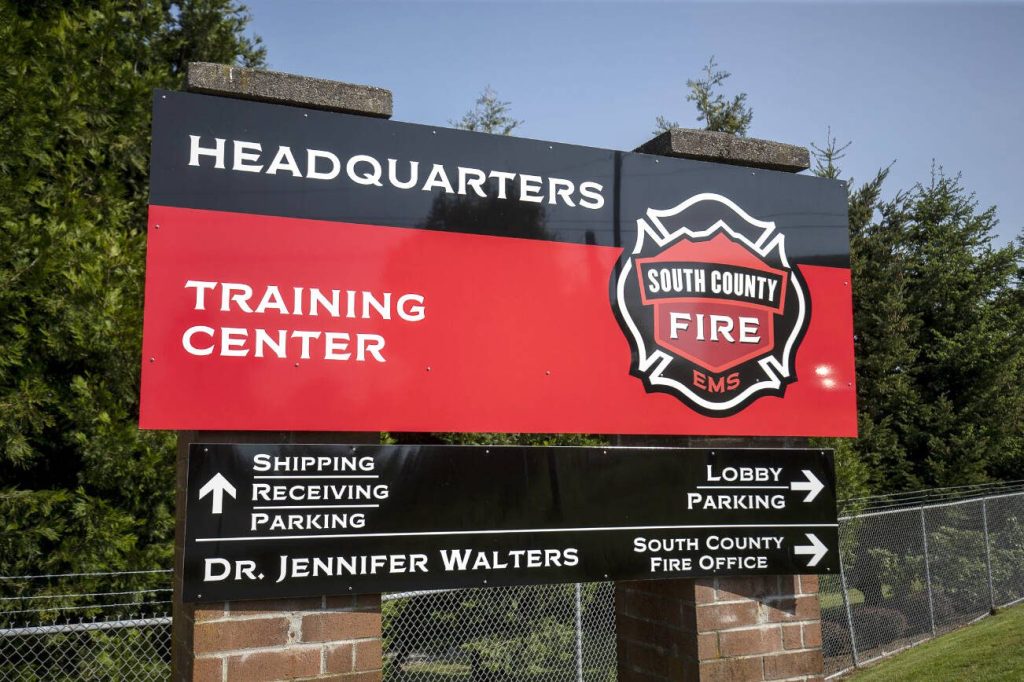
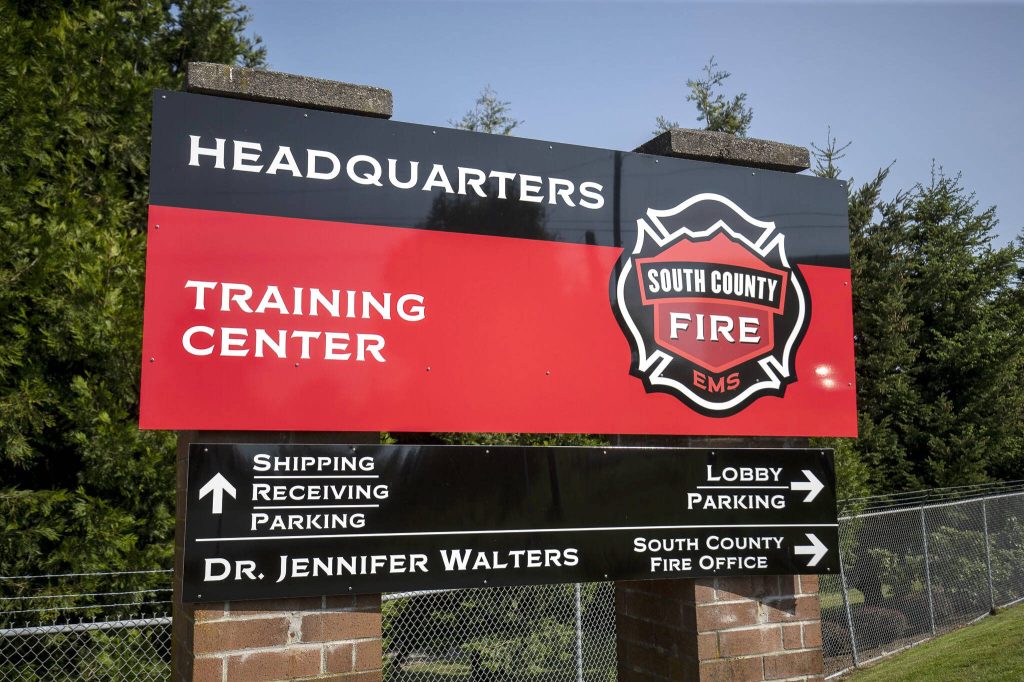
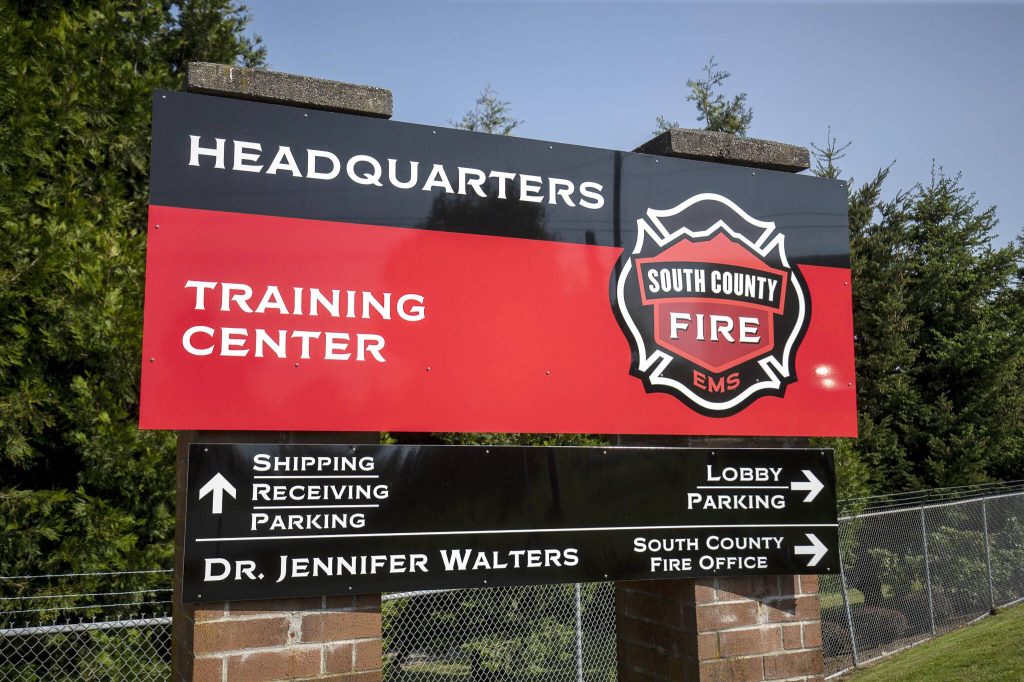
EVERETT — A South County Fire commissioner walked out of an executive session Tuesday over concerns the commission was violating open meetings laws.
At Tuesday’s meeting, the board went into executive session to consult with legal counsel over a controversial redeployment plan that took two paramedics away from Mill Creek’s fire station.
On Aug. 1, the fire authority announced the department-wide plan, which included moving the paramedics to Martha Lake Fire Station 21 in Lynnwood. South County Fire says the plan would increase the number of paramedics in Mill Creek’s surrounding area from five to seven.
But Mill Creek city officials raised concerns over a lack of transparency. They say South County Fire didn’t inform them of the change until it was already in effect.
At the public portion of Tuesday’s meeting, commissioner Micah Rowland made a motion to fully restore staffing to Mill Creek’s Station 76, including two paramedics. Commissioner Chris Teofilak proposed postponing the vote until after the executive session.
Under the state’s Open Public Meetings Act, a governing body is only allowed to enter executive session for specific reasons, including potential litigation or reviewing the performance of a public employee. But Rowland said the conversation strayed from potential litigation relating to the deployment plan.
“No one said a word to the lawyer when I was present in the room,” Rowland said. “It was probably for about 10 or 15 minutes. They asked questions to the chief, the chief talked about all the different options we had, but again, nothing about the legal issues, nothing talking with the lawyer.”
In an interview Friday, commission chair Jim Kenny said he does not believe the commission violated the Open Public Meetings Act and that all discussion in the executive session was related to potential litigation. The commission’s lawyer approved of the session, Kenny said.
“Commissioner Rowland is entitled to his opinion, but the board has a different opinion,” Kenny said. “Our attorney has a different opinion.”
After objecting three times, Rowland walked out of the executive session. The session lasted for 30 to 40 more minutes, he said. When they came back to the open meeting, Rowland said, a commissioner whispered to him, telling him not to make his original motion to fully restore the Station 76 staffing, and that another commissioner would make a different motion they were going to pass.
“I knew at that point they had definitely gone outside the rules for executive session,” Rowland said.
Rowland made the motion anyway, but it died due to lack of a second. Then, commissioner Ed Widdis proposed moving one paramedic to Station 76.
“I don’t think it’s good for the RFA or the city that the unit’s going to be out of, but I understand how the perception is,” he said. “I understand how misinformation gets out there, and I apologize for that and for not getting to the city sooner.”
Rowland abstained from the vote, citing his concerns about public meetings act violations.
“It’s the type of debate that needs to be done in public view, especially when the public has felt like its trust has been broken, when it’s felt like communication was an issue,” he said at the meeting.
With Rowland’s abstention, the motion failed 3-3, leaving Station 76 without a paramedic for now. The commission’s next meeting is scheduled for Sept. 2. Rowland said he hopes to call a special meeting before then.
“I want to get a change made for Mill Creek as quickly as possible, and part of me wanted to vote yes on that to get it done,” he said. “But I just couldn’t.”
Unless directly related to the reason a board enters executive session, deliberations should occur in the public view, said Sam Sommerman, founder of Law Office of Sam Sommerman in Everett. Sommerman filed a lawsuit against Everett Community College in June, alleging the college’s Board of Trustees violated the Open Public Meetings Act in meetings about closing the college’s Early Learning Center.
“If the decision for what motion should or shouldn’t be brought in that meeting is happening in back rooms, that could be a problem,” she said. “Unless there is an exception that it falls under.”
In April 2024, when Rowland was chair of the board, he attempted to censure five board members for potential Open Public Meetings Act violations. He alleged the members conducted several serial meetings outside of public view. After no one seconded his resolution, he resigned as chair.
If someone violates the Open Public Meetings Act, they are subject to a $500 fine for a first offense and a $1,000 fine for subsequent offenses.
“I don’t know what the solution for this is, but I know that if speaking out happened more often, I think boards would realize that they couldn’t get away with it,” Rowland said. “It’s a hard place to be, and it really hurts my relationship with the other board members … but at the end of the day, my responsibility first goes to the people that deserve that transparency.”
Jenna Peterson: 425-339-3486; jenna.peterson@heraldnet.com; X: @jennarpetersonn.