Banff Film Festival returns to Everett on Feb. 27
Published 1:30 am Monday, February 16, 2026
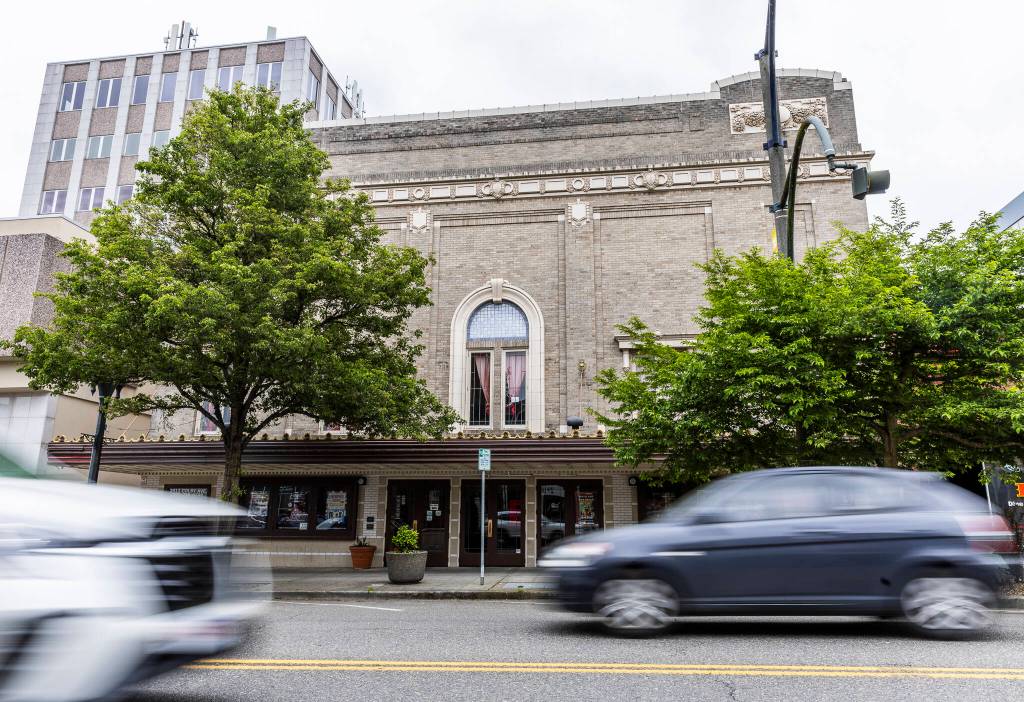


EVERETT — The Banff Centre Mountain Film Festival World Tour is celebrating its 50th anniversary, making a routine stop in Everett on Feb. 27 and 28 to honor the outdoors and communities that love to live, play and appreciate them.
Paul Fish, founder of the outdoor event business Live to Play, said he’s excited to showcase a collection of films this year that center on the theme of community.
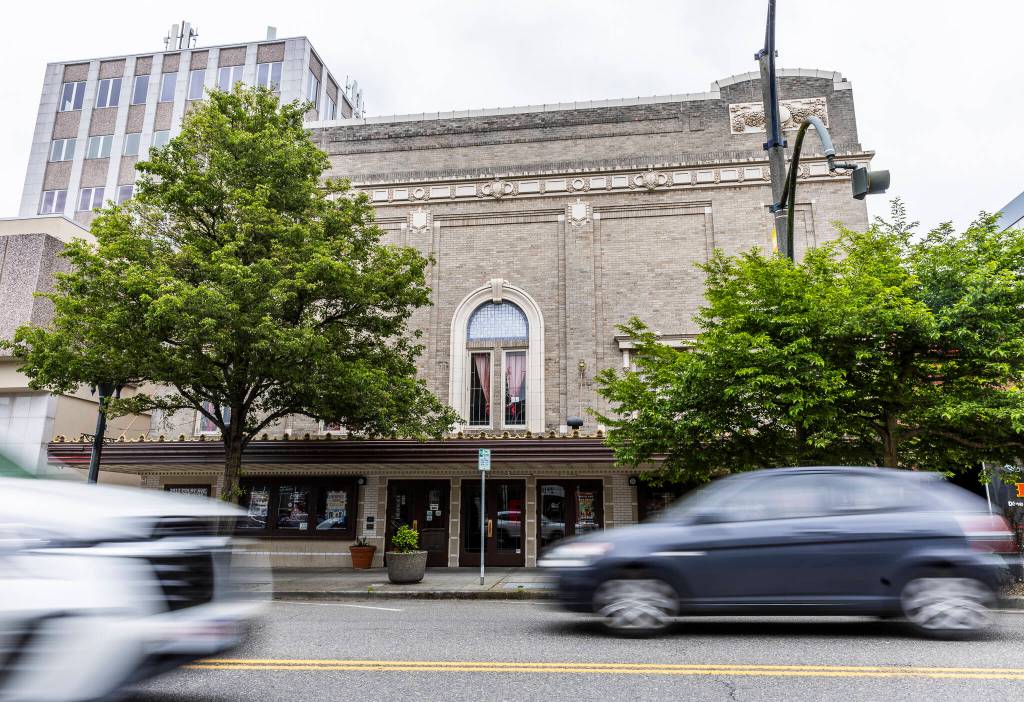
Live to Play will run two different programs over the weekend at the Historic Everett Theatre, 2911 Colby Ave. View programs and purchase tickets online at https://www.livetoplay.com/banffeverett.
One of Fish’s favorite films screening this year is Best Day Ever, which won Banff’s 2025 Best Film and Audience Choice award. The film highlights a collaborative effort in Vermont’s Green Mountains to create a fully adaptive mountain biking trail network, dismantling barriers for athletes with various disabilities.
“Instead of being, ‘It’s about us, it’s about me,’ it’s just about community and how you can be involved. And I think that made a story that really brought people into it and got them thinking,” Fish said. “I really enjoy that type of filmmaking, and I love being able to take it around. I feel like not only people [are] having a good time, but they’re actually getting inspired.”
The Daily Herald spoke to co-director and producer Berne Broudy and adaptive athlete and associate producer Greg Durso about Best Day Ever and the community behind the award-winning film.
‘It literally levels the playing field’
In 2009, at the age of 23, Durso became paralyzed from the chest down after a sledding accident. He had been active all his life he said, growing up skiing, boating and wakeboarding.
As soon as he left the hospital after his injury, he bought himself a cheap handcycle, with the goal of biking 20 miles with Kelly Brush, founder of the Kelly Brush Foundation, for a fundraising event.
The foundation, which Durso has been the programs director of since 2017, supplies grants for people with spinal cord injuries to assist in purchasing adaptive equipment, such as handcycles or monoskis.
Broudy, longtime outdoor journalist and president of Vermont’s Richmond Mountain Trails board, had briefly met Durso before in passing, she said, but really got to know him one day while trail riding in Hinesburg, Vermont.
“On that ride, it just really kind of blew my mind that bridges not being wide enough was what prevented Greg from just being able to ride his bike like everybody else,” she said. “For me, the outdoors is just such a place where I find so much peace and happiness and the idea that somebody couldn’t also have that experience of just connecting with the outdoors because the trail was prohibitive to the piece of equipment they used to access the outdoors, that just really grated on me.”
Adaptive mountain bikes are much wider than two-wheeled bikes, with the equipment usually having three wheels like a tricycle. Additionally, adaptive bikes are usually longer, changing what turn radii are possible while whipping around bends, Durso said.
The widths, turns, or even the path from a parking lot to the start of a nonadaptive trail network could shut out athletes with disabilities.
“I’d always make this mental image in my head of, like, if we could create change, if I could do something, like, what would it look like?” Durso said.
When a landowner approached Broudy’s board for them to build trails on the property, she pitched making an adaptive trail network. Her board members agreed to the idea, but quickly realized they had no idea what an adaptive trail network really entailed.
“It hadn’t really been done before by a grassroots trail club, so we just dove in and figured it out along the way,” Broudy said. “The movie came out of building that project and just watching how when everyone can access trails together, it just changes the dynamics between people. It literally levels the playing field.”
In 2022, with insight from Durso, support from the Richmond Trails board and more than 200 volunteers, the crew started to dig in.
“I don’t think I truly realized the power of film,” Durso said, reflecting on what he learned from making Best Day Ever. “I know we do a lot of good work, but I don’t think I quite realize what this would really mean, how powerful film can be, especially for underprivileged communities.”
The festival will screen Best Day Ever on Feb. 28, alongside five other films showcasing everything from kiteskiing adventures in Baffin to the construction of log hives for wild honey bees.
Eliza Aronson: 425-339-3434; eliza.aronson@heraldnet.com; X: @ElizaAronson.