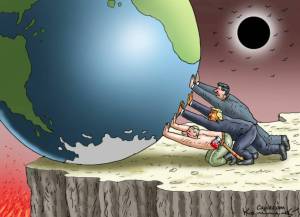
Comment: Supreme Court has ruled; now Congress must act
Published 1:30 am Thursday, July 4, 2024
By Virginia Kase Solomón / For Tribune News Service
This Supreme Court term has not been good for democracy; to put it mildly.
Despite a few bright spots — like the decision overturning a lower court injunction barring the White House from communicating with social media companies about disinformation — voting rights and efforts to curb big money and dark money in politics have been drastically pared back.
The court removed the power of experts in administrative agencies like the Environmental Protection Agency or Food and Drug Administration to regulate and keep us safe and placed it in the courts. The court also undercut attempts to hold the perpetrators of the Jan. 6 insurrection, including former president Donald Trump, accountable.
Justices Clarence Thomas and Samuel Alito remain embroiled in a series of ethics scandals related to luxury travel and expensive gifts from major Republican donors that they did not reveal in their financial disclosures. Those scandals have drawn public ire and attention to the fact that Supreme Court justices are the only federal judges not subject to a binding code of ethics.
The court’s ruling in United States v. Trump held that presidents are absolutely immune from criminal prosecution for acts under their constitutional duties and presumptively immune to all official acts. In practice, the timing of this decision, months after oral argument, makes it highly unlikely that the former president will face a trial on conspiracy charges before voters go to the polls in November.
In contrast, the court took just 25 days to issue an opinion after oral arguments in Trump v. Anderson, restoring Trump to the Colorado primary ballot by ruling that states could not determine eligibility for federal office, including the presidency, under Section 3 of the 14th Amendment. While the case’s outcome meant the former president was not held accountable, the quick timing of the decision gave state elections officials and voters clarity.
In a third case this term related to the Jan. 6 insurrection, Fischer v. United States, the Supreme Court ruled that federal prosecutors improperly used an obstruction law to prosecute some of those who stormed the Capitol. The ruling is expected to affect hundreds of cases.
In each of the three cases, Justices Thomas and Alito ignored calls to recuse themselves because their wives’ actions raised concerns about their own impartiality.
Experts in legal ethics said Ginny Thomas’ texts to White House Chief of Staff Mark Meadows about the election being stolen and Martha-Ann Alito flying flags used by the “stop the steal” movement outside their homes raised serious questions about the justices’ impartiality.
The Supreme Court dealt another serious blow to voting rights this term. Following the decision that federal courts could not intervene to stop partisan gerrymanders (Rucho v. Common Cause), the court eclipsed that disastrous ruling in Alexander v. South Carolina Conference of the NAACP. The majority ruled that even though South Carolina’s congressional maps discriminated against Black voters, that was acceptable because those voters were targeted because the majority of them were Democrats.
In a culmination of a years-long conservative effort, the court also removed the ability of administrative agencies such as the EPA or FDA to make regulations designed to keep Americans safe by overturning Chevron v. EPA. This will undermine an entire body of law and make courts, not scientists or experts, responsible for deciding what regulations are necessary for workplace safety or how airplanes are built.
In a small bright spot, the court did strike down a lower-court injunction barring the White House and other government agencies from communicating with and encouraging social media platforms to curb the spread of misinformation and disinformation. With the court becoming increasingly indifferent, if not hostile, to our democracy, it is time for Congress to pass sweeping reforms to repair the damage this court has done.
The Freedom to Vote Act — which includes the DISCLOSE Act to shine a light on secret, special interest money in politics — and the John R. Lewis Voting Rights Advancement Act have been passed by the U.S. House in recent years, only to fall just short of overcoming a Senate filibuster. We must double down and again push these vital bills. And with a Supreme Court continually unable to police itself, Congress must also pass legislation to hold justices to the same code of ethics that every other federal judge follows.
It is time for the legislative branch to act and act boldly. If it does not, we must vote its members out and install people who will.
Virginia Kase Solomón is the president of Common Cause. She wrote this for InsideSources.com.