Give me some more shade, please…
Published 1:30 am Tuesday, September 30, 2025
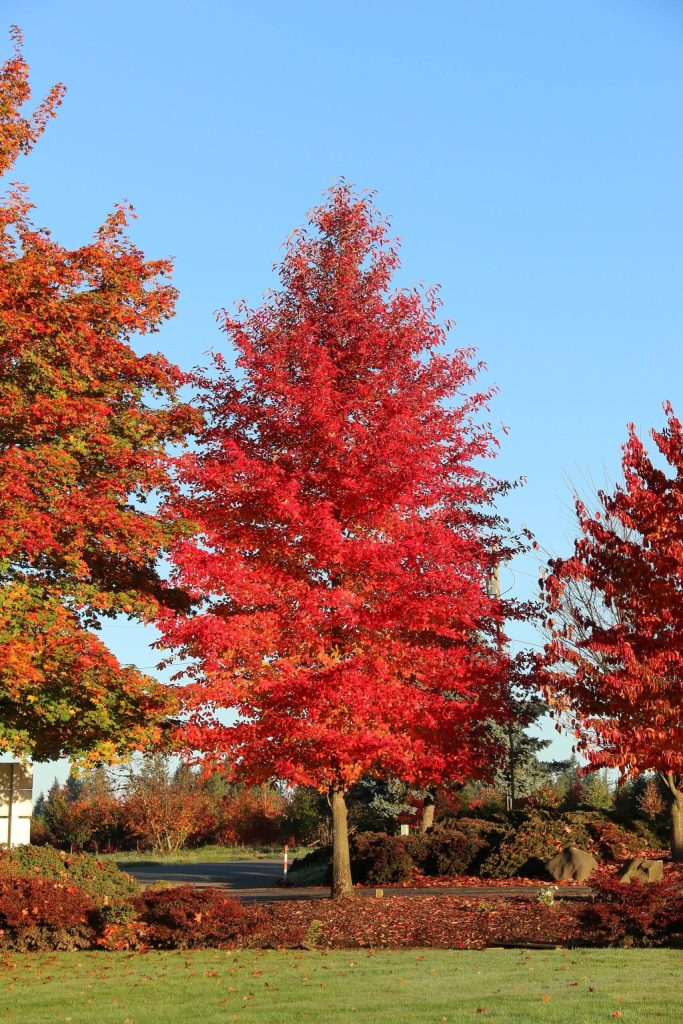



If you recall, I mentioned a number of larger growing maples last week that have vibrant autumn color. Back in my student days (many moons ago) I was always in the mood for extra credit, so since we are entrenched in fall tree mode, I will keep my arboreal momentum going full throttle. In my opinion, there are a plethora of other shade trees worthy of landscape consideration, including many with unique foliage and color. There are nearly endless possibilities in the world of trees and in autumn, many color up just as nicely as the maples that I described last week.
I think one of coolest things about nature is what the organic varietal evolution has provided. Beginning with the first deciduous plants eons ago in the Devonian Period (some 350 million years ago), plants began to develop roots, then actual leaves, and since then trees of all kinds have found their niches here and there in just about every habitable environment across our fine globe. Things started evolving from gymnosperms (conifers) and over time Mother Nature has created an impressive variety of trees for us to admire. This evolution brought us all of the various sizes and shapes of foliage, changing fall colors, spring bloom, fruits/seeds for wildlife, bark interest and so many other worthy attributes. The point is simply this, there is certainly a suitable specimen to fit that special spot in almost any environment, period.
I am going to mention a few more of my favorite trees this week and I think that since there are so many more still to go, that I will complete this “Trilogy of Trees” next week. As with most modern plants, the species I bring up will have a number of different cultivars, so again it is important to explore your options. From different colored leaves to variegation to growth habit and just about any other desirable trait, people have bred and tweaked plants now for decades, creating a wonderfully useful array of choices for us resilient gardeners.
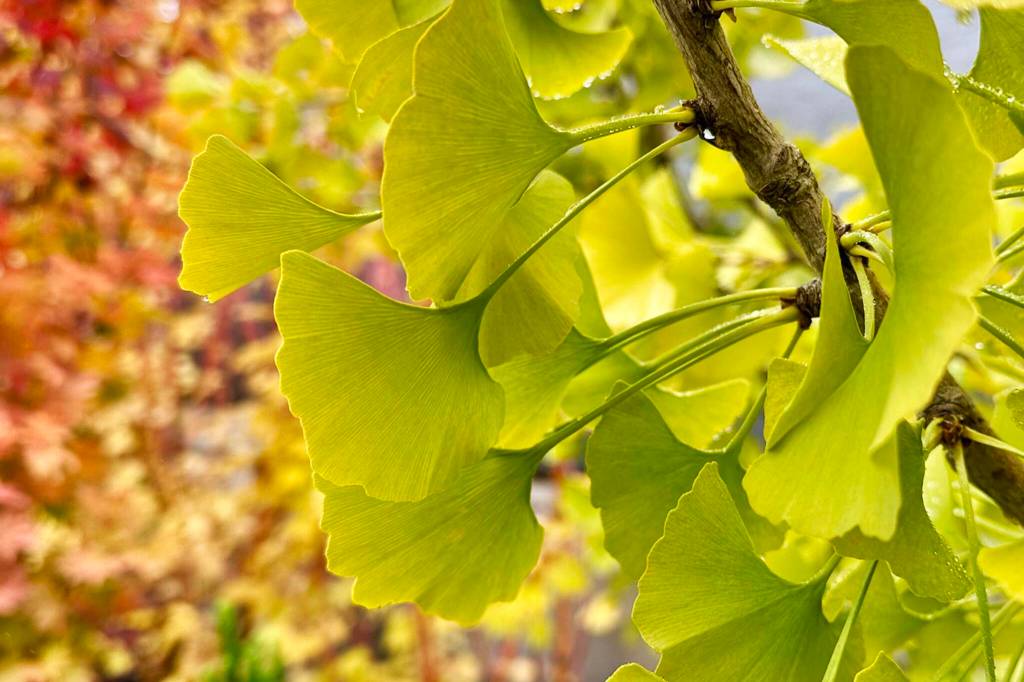
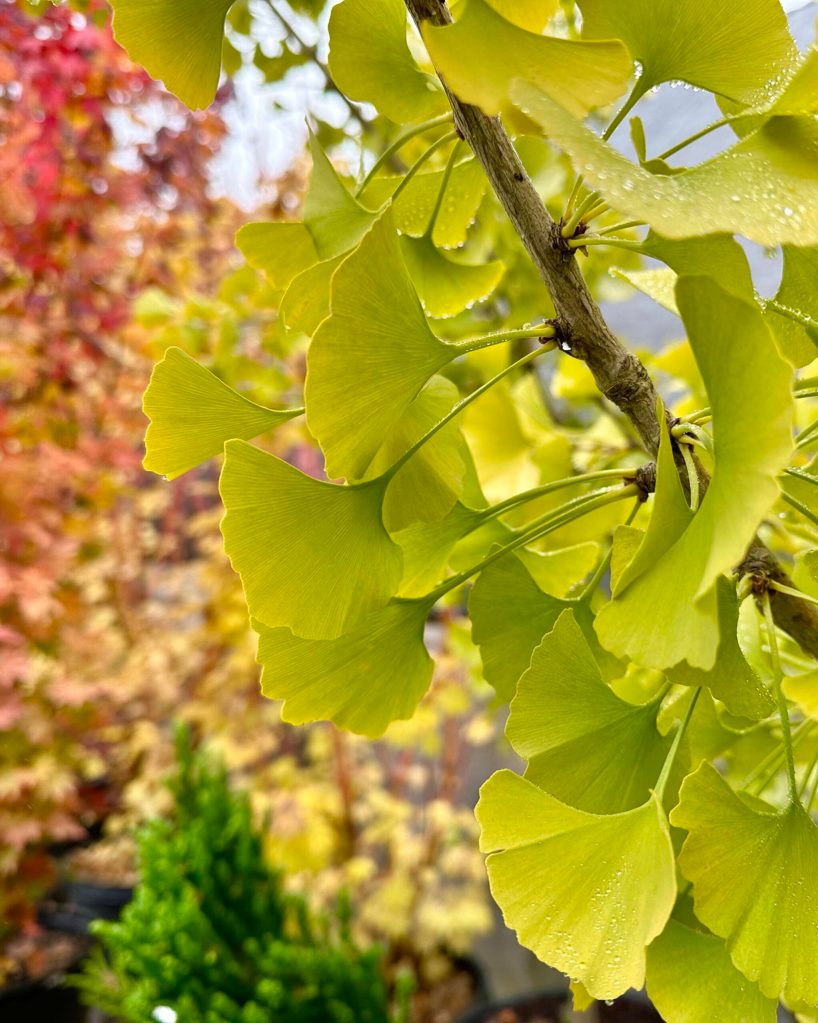
The Gingko Tree (Ginkgo biloba): Since I talked about a bit of history and evolution, the Ginkgo should be mentioned here first and foremost. This is truly a living fossil, a plant with unique fan-shaped foliage that is actually a conifer but yet looks like a deciduous tree. Say what? Ginkgos represents the bridge between coniferous creatures (Pine, Fir, Spruce, etc.) and our more modern deciduous plants. They are truly unique and their foliage turns about as golden-yellow as anything else on earth in autumn. Ginkgo trees love sun, good drainage and can be found in lots of forms. ‘Princeton Sentry’ is a tall but columnar form and ‘Autumn Gold’ is tall as well but with a more robust pyramidal silhouette. Perhaps you are out of room for larger growers? Explore a dwarf tree version like ‘Jade Butterflies’ or even shrubby forms like ‘Troll’ or ‘Mariken’. I am sure that if you explore the world of the Ginkgo, you will find a cool flavor to use in your garden.
Katsura Tree (Cericidiphyllum japonicum): These natives to Japan are widely utilized in our region, making striking large specimens in both commercial and residential landscapes. The original species grows large, reaching some 30 to 40-feet tall and 20 to 30-feet wide at maturity with a broad pyramidal shape. Foliage is small, heart-shaped and almost flutters in the wind, like a quaking Aspen might. As we reach autumn, the foliage turns into a variety of pastel colors in between the yellows, oranges and reds – think pink, apricot and colors like that. The bonus is the fragrance, they absolutely will make your yard smell like cotton candy in the fall! Katsura trees are extremely resistant to bugs and disease, but keep in mind that they like to be irrigated consistently when young in order to develop an extensive root system. Over time they will become more drought tolerant with age in our region. This is a tree that I have in my own yard and adore. I went with a colorful option when I chose, and planted one called ‘Red Fox’ with its lovely purplish tinged foliage and a little smaller habit. I would also recommend looking for the dwarf variety, discovered right here in Mount Vernon by Biringer Nursery (a wholesale grower), called ‘Hanna’s Heart’. Both of these smaller ones are more in the neighborhood of 25-feet tall and 15-feet wide.
Black Gum or Tupelo (Nyssa sylvatica): If there is a tree that I wish more people would discover, it would be this one. These are towards the top of the botanical totem pole for fall color, electrifying into brilliant shades of red and orange in fall. One very useful attribute for us locally is that they will take heavier soils (including clay and some winter wet) much better than other tree options. They are also very resistant to insects and disease. ‘Wildfire’ adds some purple and yellow to the landscape in fall and reaches about 40-feet tall and 30-feet wide. ‘Afterburner’ reaches about 35-feet tall and 20-feet wide and boasts a strong central leader along with a more uniform landscape shape. These also pop with some bright red spring foliage, maturing into a nice glossy green over the summer season.
Sweetgum (Liquidambar styraciflua): This is another fossil tree that dates back to some 60 million years ago in the Tertiary Period. American Sweetgum, as it now called, has been found all the way into Northern Canada and Greenland – a vastly different prehistoric climate than now. They have become popular landscape trees in modern times across temperate climates like ours. The foliage looks like a 5-pointed star (almost maple-like in shape) and turns a lovely blend of almost any color in autumn. Fissured bark adds a nice touch over the winter as a bonus. There is nothing wrong with the straight species, but perhaps a more columnar version like ‘Slender Silhouette’ may fit your yard better. The best newer variety that I have seen is called ‘Firehouse’, a magnificently strong branched cultivar that is nearly seedless (hurray for less yard debris). Sweetgum will get large with age, so give them room to mature.
Ironwood (Parottia persica): This unique species originated from the Caspian Region of Iran and offers multiple seasons of interest. Its fall foliage is simply stunning, offering us tones from purple to orange to fiery red and bold yellow – all on the same specimen. In addition, they bloom with red spidery flowers (like witch hazel) over the winter and when mature, show beautifully patterned smooth bark as well. These love heat and are drought tolerant, an excellent choice for long term low maintenance. ‘Persian Spire’ is a useful modern flavor, perfect for smaller yards at 25-feet tall and 10-feet wide. ‘Vanessa’ is another good cultivar and a little larger at 30-feet tall and 15-feet wide.
As I mentioned last week, shade trees provide height, structure and welcomed shade in our warmer summer season, or even a dry escape on a rainy day. We see them all over our region in both residential and commercial landscapes doing exactly this. With so many useful choices for trees, choosing the right specie that both fits your location and matches your taste can be a very enjoyable experience. Stop into the local garden center, speak with a Certified Professional Horticulturist and allow them to help you select the perfect tree(s) for you. When you pay attention to size, soil composition, sun exposure, and root systems, any plant enthusiast can find the perfect specimen for their garden. Then you will have a long-living tree companion that brings you decades of enjoyment.
Remember, leaves up and roots down…
Trevor Cameron is a Certified Professional Horticulturist (CPH) and serves as General Manager for Sunnyside Nursery in Marysville, WA. He can be reached at sunnysidenursery@msn.com.