State schools chief expects classrooms to reopen this fall
Published 2:15 pm Thursday, June 11, 2020
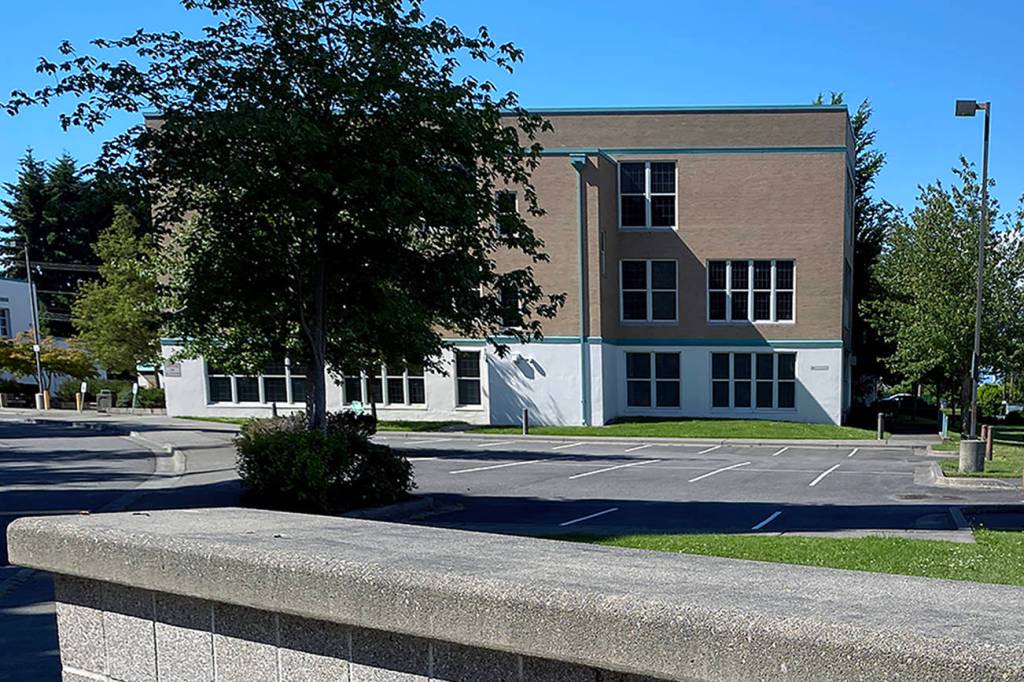
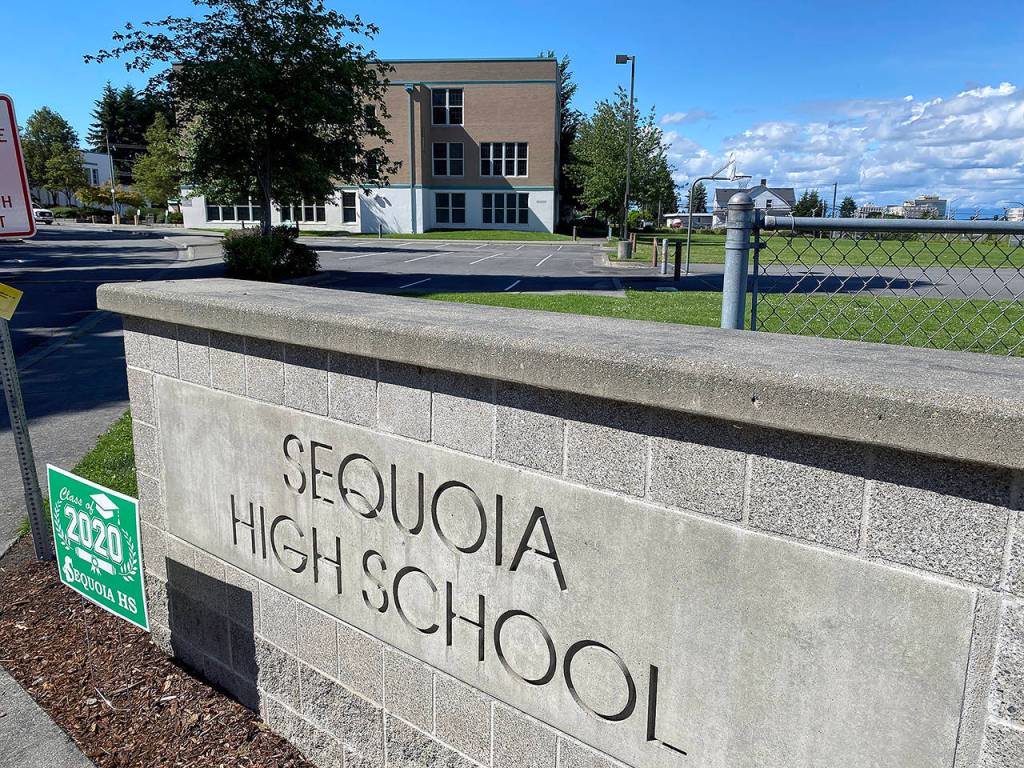


OLYMPIA — Students and teachers should be looking to return to classrooms this fall — if the coronavirus outbreak doesn’t surge again in Washington.
Superintendent of Public Instruction Chris Reykdal said Thursday every school should prepare to reopen and operate in accordance with social distancing, good hygiene practices and other health department requirements.
“We are opening this fall, provided it is safe,” he said at a news conference “This will not be easy. The presumption here is we’re coming back.”
Gov. Jay Inslee issued a proclamation late Thursday clearing the path for classroom doors to swing open. But in a statement, he said they might not if COVID cases spike upward or spread.
“This virus is unpredictable and has upended our regular ways of doing everything. We cannot guarantee that school will open in fall,” he said. “Kids need to be learning but they also need to be safe and healthy.”
Next school year will last the mandated 180 days, Reykdal said. But like the year now coming to an end, it will be anything but usual.
Students, teachers, staff and anyone else who comes on a campus will be screened for symptoms of COVID-19 and to find out if they’ve been in close contact with any infected person. Every student, teacher and staff member will have to wear a face covering or shield; districts must provide them to their employees, while parents will likely need to get them for their children.
Students will find desks farther apart. They could be eating lunch outside or have it delivered to their desk to limit crowds in cafeteria. Some classes could be conducted in cafeterias. Assemblies and field trips may be canceled. Choir is going to be a challenge.
Busses will operate. To reduce the threat of COVID transmission, riders and drivers will wear masks and windows will be open as much as possible to keep air flowing.
Local districts will fashion their own approaches for educating the state’s 1.2 million public school students. Each one will craft its own reopening plan. On Thursday, Reykdal released a 55-page guide to help them in that effort.
It contains specific guidance for preventing the spread of COVID-19 drawn up by the state Department of Health, in consultation with the governor’s office and Reykdal’s staff.
The state schools chief said the presumption is districts will go back to traditional face-to-face instruction. But the guide contains other models for operating for districts that are unable to reopen fully because they cannot meet social distancing or in-person health requirements.
Under one scenario, students would attend school on a split or rotating schedule. Another envisions phasing in a reopening by only bringing back some grade levels while continuing distance learning for others. A third offering assumes a school does not reopen and instead undertakes an improved approach to distance learning, which schools have been doing since March when Reykdal and Gov. Jay Inslee shuttered schools to protect against outbreaks of the virus.
Every district must have a contingency plan to shift entirely to continuous remote learning should they need to close for any period. For example, this could be as a result of a confirmed case on campus or a community outbreak could precipitate such a closure.
And each district must be prepared to accommodate families who do not feel comfortable sending their children back to school. It creates a “real complicated scenario,” but districts must have options for them, Reykdal said.
Two other things districts must start to do again — take attendance and grade. Both practices were put on hold in the final months of the current school year.
When districts complete their reopening plans, they must file them with the state superintendent’s office and the state Board of Education at least two weeks before the first day of a district’s school year. They do not require approval from the education agencies.
The leader of the statewide teachers’ union tamped down expectations of most schools fully reopening.
In a statement, Washington Education Association president Larry Delaney said teachers share Reykdal’s “interest to return to school as close to normal as is possible, to the extent that it can be done safely. However, we question if social distancing guidelines can truly be met in many schools across our state, given typical class sizes.”
A hybrid model of operating seems to be “a very real option in many areas,” he said. More funds will be needed to pay for staff to help with cleaning, with checking student temperatures, with helping teachers to assure social distancing, and with other safety tasks.
“Much work is still ahead,” he said.
Approaches could evolve as the school year progresses, depending on the extent of the pandemic.
“It will look different around the state depending on the health situation in each community, but even districts that start off really well could experience an outbreak in their community and need to shift their instructional delivery model to accommodate that,” said Katy Payne, a spokeswoman for Reykdal. “I do think we will all be much more prepared in the fall for whatever is thrown our way, given the experience we have all gained this spring.”
In Snohomish County, most are weeks away from making those decisions.
Leaders of Arlington Public Schools started drawing up a game plan in May, and the state’s new guidance will serve as a foundation for whatever reopening approach is undertaken, said district spokesman Gary Sabol.
“We hope to have a decision by early summer so that we can use the rest of the summer to prepare for the reopening in the fall,” he said.
”Whatever version or versions of the plans we adopt for the fall, we want to continue to address the inequities for our students as a result of this change in instruction,” he said. “We understand that this decision has an impact, especially on our families and community members.”
The district’s COVID-19 Incident Command Team began addressing the challenge in mid-May. The conversation soon broadened to include Advisory Council for Education, a standing district committee comprised of students, parents, teachers, community members and district administrators. And elementary and secondary principals are involved, because each reopening model has different implications for each grade level, Sabol said.
Everett School District leaders plan to shift into official planning mode when the school year ends June 19.
They want to “focus on finishing this year strong” and have time to review the state superintendent’s information, district spokesman Kathy Reeves said in an email.
“We believe there will be helpful parameters and guideposts for us to use and then make the best decision for our students within those parameters,” Reeves said of the state guidance. “Our biggest focus will be how to continue to best serve our students with the changes COVID has created, including inevitable changes in funding, gathering in large groups, transportation and technology needs.”
Jerry Cornfield: 360-352-8623; jcornfield@heraldnet.com. Twitter: @dospueblos.