Editorial: Lynnwood’s steps protect online public comment
Published 1:30 am Tuesday, December 12, 2023


By The Herald Editorial Board
The First Amendment, among a range of rights, protects our freedom of speech, which at its most basic level declares that Congress shall make no law “abridging the freedom of speech, or of the press.”
What that amendment doesn’t guarantee is freedom from the consequences of speech. Voltaire — or rather his biographer — would have defended to the death your right to say offensive things, but others are within their rights — also guaranteed by the First Amendment — to criticize you, seek your ouster from office or boycott your business.
That goes for those who take advantage of that free-speech right as well as those who provide a forum for the exercise of that right, as has been made clear recently to university presidents, the owners and operators of social media platforms and — of more local concern — city councils.
Made aware of an opening in its public comment policy wide enough to allow anti-Semitic comments during a recent meeting, the City of Lynnwood and its city council last week made changes to how it allows remote public testimony, as reported Friday in The Herald.
During a Nov. 27 hearing intended to take public comment on a property tax increase, three commenters participating on the city’s Zoom simulcast, made anti-Semitic statements. What started for the first as a condemnation of Israel’s actions against Hamas terrorists in Gaza deteriorated into hate speech against Israel and Jews, with a admonition from Mayor Christine Frizzell to clean up his language as the speaker neared his allotted three minutes. Two others followed — after being requested to keep to the topic in consideration — with anti-Jewish conspiracy theories and more shouted slurs, as The Herald’s Ashley Nash reported.
Since then Lynnwood has tightened its rules for those using Zoom during opportunities for public comment.
Those now wishing to comment remotely are asked to register online at least 24 hours in advance, completing an online form that asks for the commenter’s full name, address, the specific meeting they wish to address and the topic on which they want to speak. Potential commenters are then contacted and provided login instructions.
The new policy isn’t fool-proof, literally; fools will find a way around such guardrails. But it shows Lynnwood is serious about heading off hate speech while protecting the availability and encouragement of a public forum at its meetings, a forum that is vital as the council considers the issues and ordinances before it and provides a vehicle for the city’s residents to express their concerns.
As noted by Lynnwood’s city attorney, the city council’s opportunities for public comment are “limited public forums,” allowing the city latitude to set rules for those comments, including time, subject and respect for public decorum. Failure to set those limits could leave the city open to charges of tolerating hate speech and allowing the forum to be hijacked for purposes unrelated to city business.
Likewise, The Herald’s letters to the editor section is a limited public forum. The paper is within in rights and its readers’ expectations to seek a balance for a public forum that allows free expression while respecting community standards on speech as well as the legal limits regarding libel and slander.
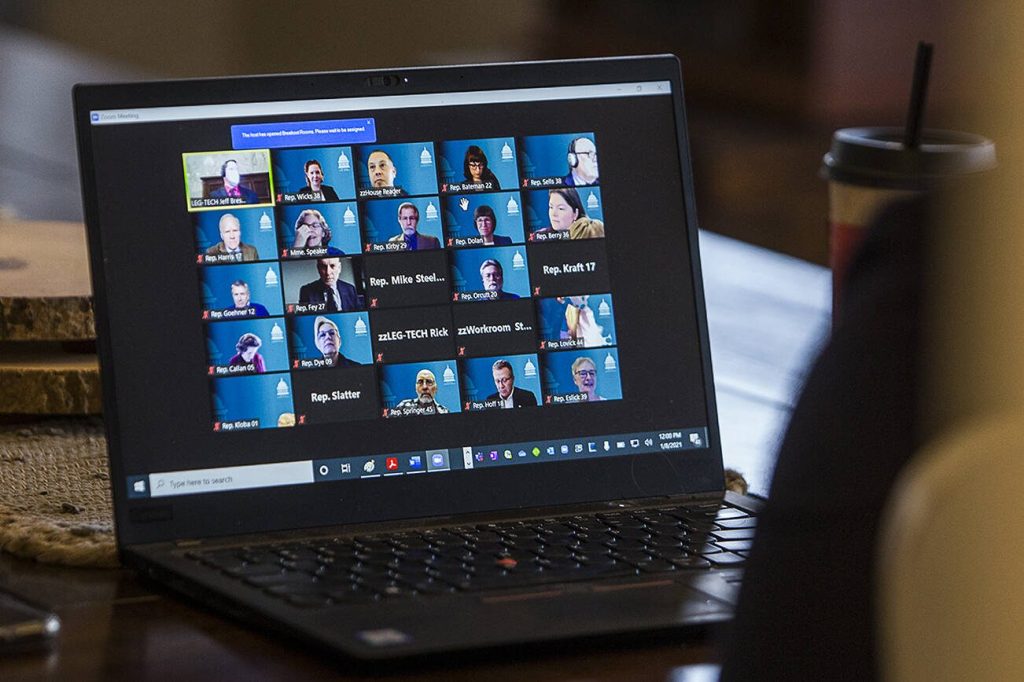
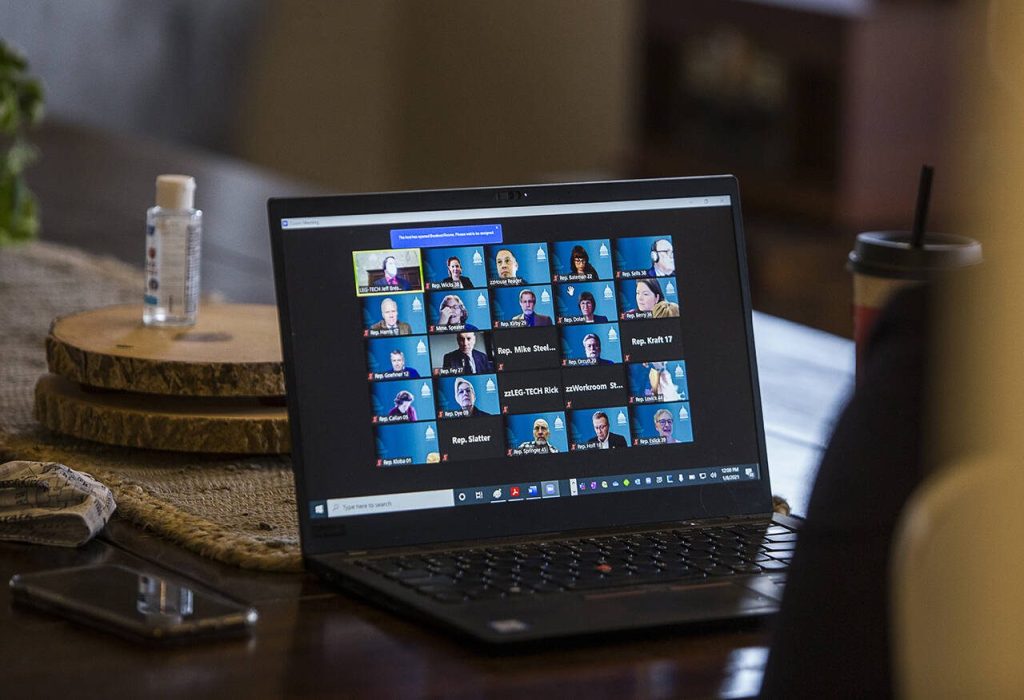
Remote testimony — made possible by Zoom and other providers of similar online meeting services — was one of the technological advances made necessary by the covid pandemic. But by opening up that forum to those who could not or preferred not to attend public meetings in person, the pandemic workaround has been kept as part of regular meetings for most councils and boards, including the state Legislature, which continues to use remote testimony to allow residents from across the state to comment without having to travel to Olympia.
Online teleconferencing has been a boon for public access to local and state government, making its protection the business of those who wish to offer that service.
Lynnwood, of course, isn’t alone in having to address how the new technology can fit within its public meetings. All manner of meetings have been interrupted by racial slurs and other hate speech as well as pornography and attempts to shout down and interrupt proceedings, a practice dubbed “Zoombombing.”
Some attention to the issue from the video-conferencing providers could help.
Zoom’s chief executive, Eric Yuan, told The Washington Post in April that the video teleconferencing app wasn’t fully prepared as its use expanded from employee meetings to public forums and remote learning. Yuan said Zoom is intent on building a secure platform, especially for public schools still using it in some situations.
One option that should be relatively easy to add and use would be a “audio delay” feature, similar to what talk-radio stations use to edit out errant or intentional profanities from on-air broadcasts.
Until more tech fixes are available, Lynnwood’s new rules — which should be considered by other local governments — allows more control over who participates and how, setting reasonable guardrails for a public forum that serves the rights and responsibilities of those providing comment.
A pledge from all who participate to respect the bounds of civil discourse wouldn’t hurt either.