Exploring Utah’s stunning Arches and Canyonlands national parks
Published 1:30 am Saturday, November 5, 2016
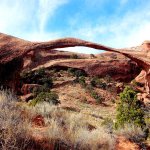
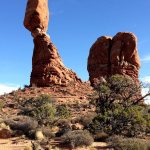
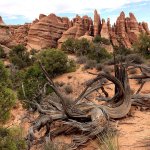
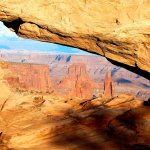
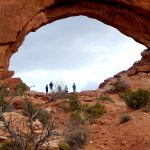
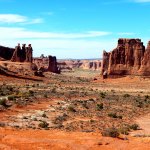
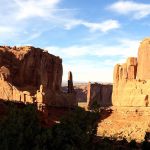
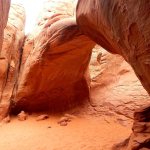
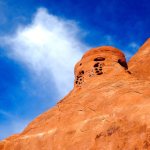
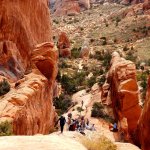
MOAB, Utah — This could be the best time of year to visit Arches and Canyonlands national parks.
The temperature is still running about 69 degrees during the day and the extended forecast is for more sun. The hiking is easier because of the cooler temps. The crowds are gone. And most of the great restaurants in nearby Moab are still open for business.
We flew into Salt Lake City for a visit with our daughter and her family. We played with the grandkids in the beautiful city parks and did touristy things: Splashed in the Great Salt Lake, drove around Temple Square and ate dinner at the Red Iguana, one of the best Mexican restaurants around (the mole, the mole).
The top SLC stop was at the Natural History Museum of Utah, where we packed in a lot of learning about Utah’s diverse landscape, the prehistoric ocean, the local dinosaurs, rocks, minerals and the state’s eight tribes and their ancestors.
Loaded with information, we rented a car and headed southeast on the Dinosaur Diamond Scenic Byway to Moab.
Throughout the Intermountain West — roughly from the east side of the Rockies west to the Sierra Nevada and Cascade ranges — one can find a similar mix of landscapes: high desert, ancient rock formations, canyons, buttes and coulees.
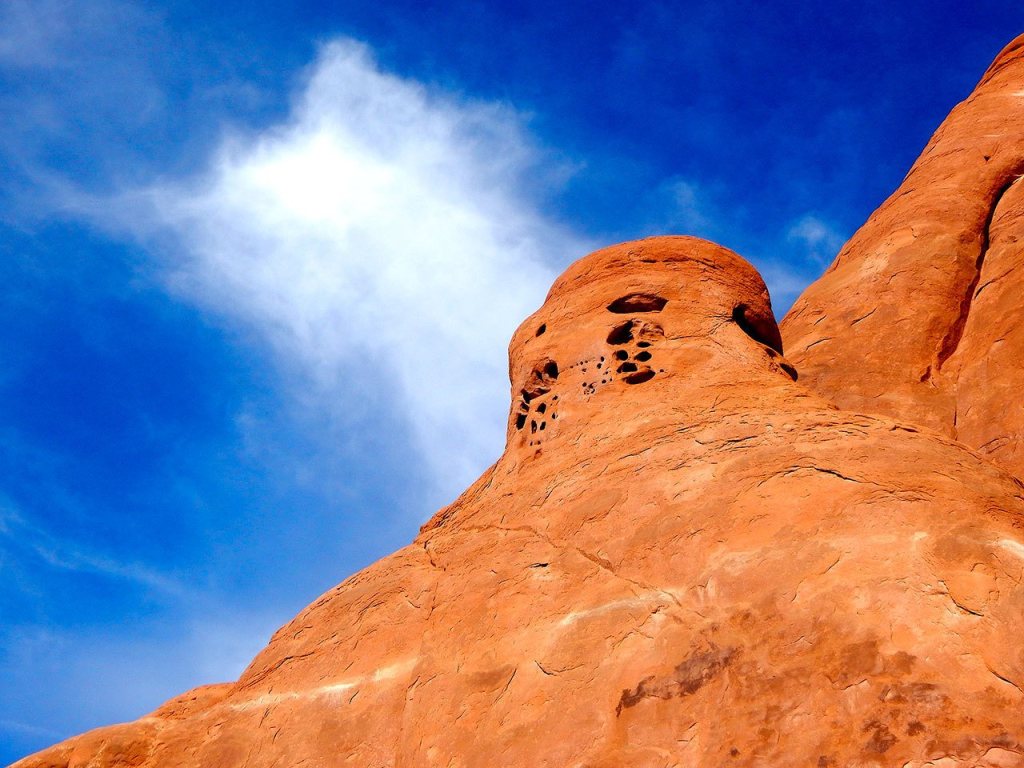
But in southern Utah the view is downright amazing. Red rock, blue sky and white clouds and black ravens drifting by.
I had Jerry Garcia’s voice in my head as we drove the canyon road along the Colorado River.
The lyrics “spent the night in Utah in a cave up in the hills” from the song “Friend of the Devil” must have popped into my head because we spent our first day at Arches National Park in the north section called Devil’s Garden.
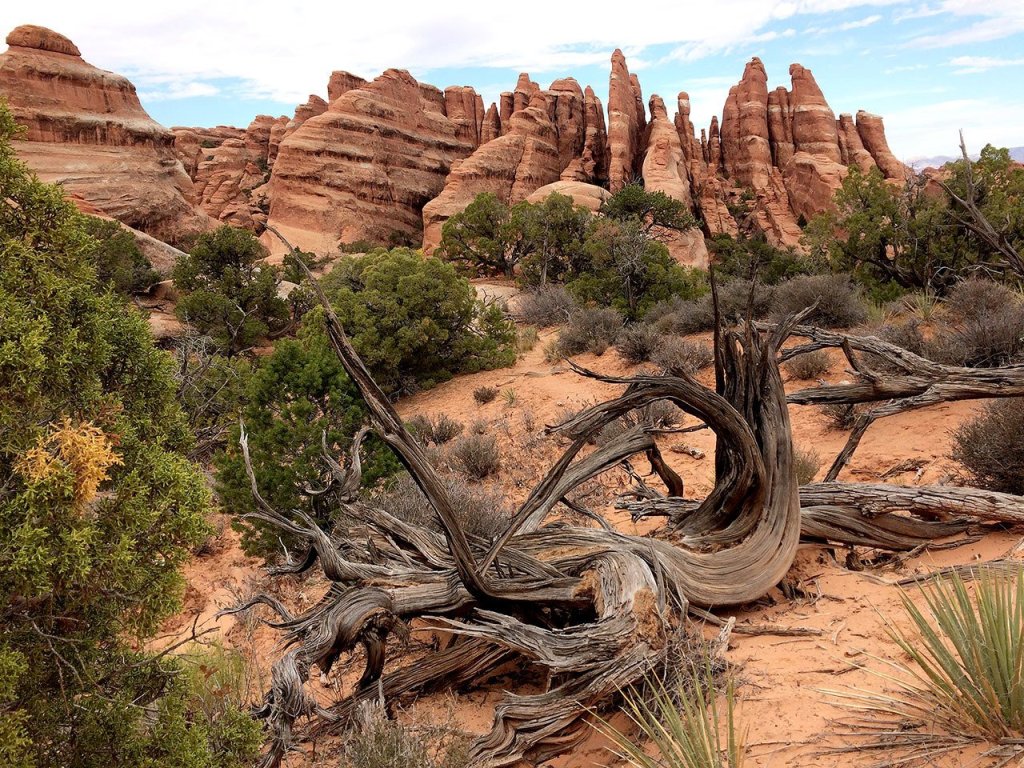
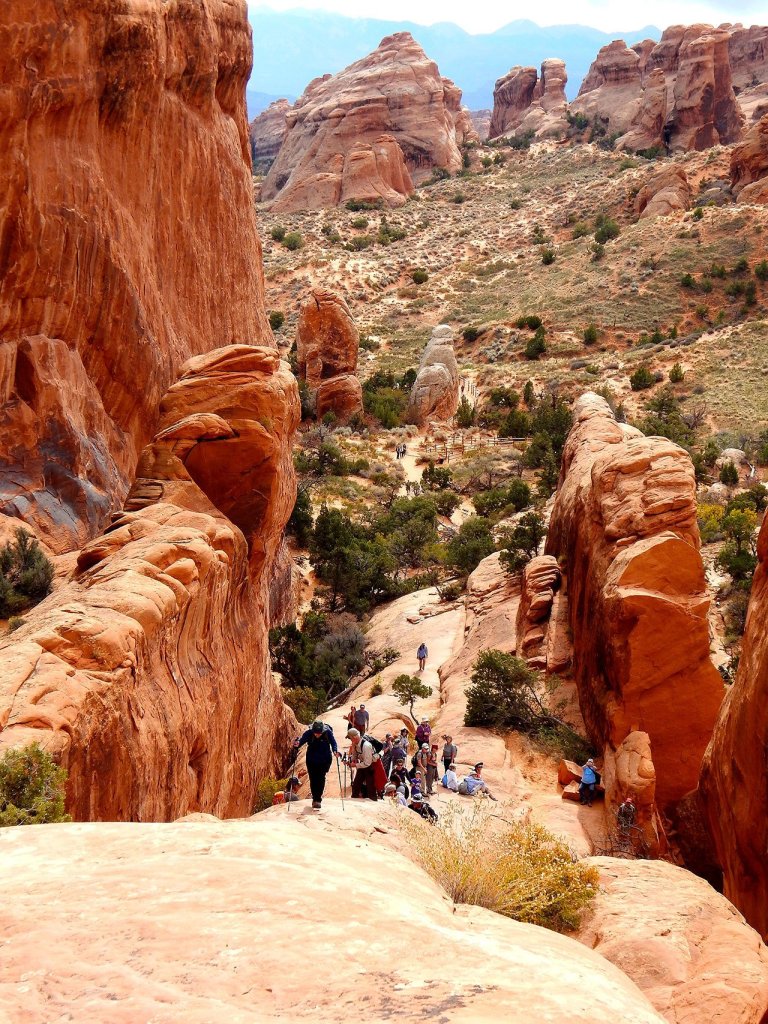
Check out all the arches in this district, but also take time to walk on what park officials call the Primitive Trail, with its many magnificent monolithic rock formations.
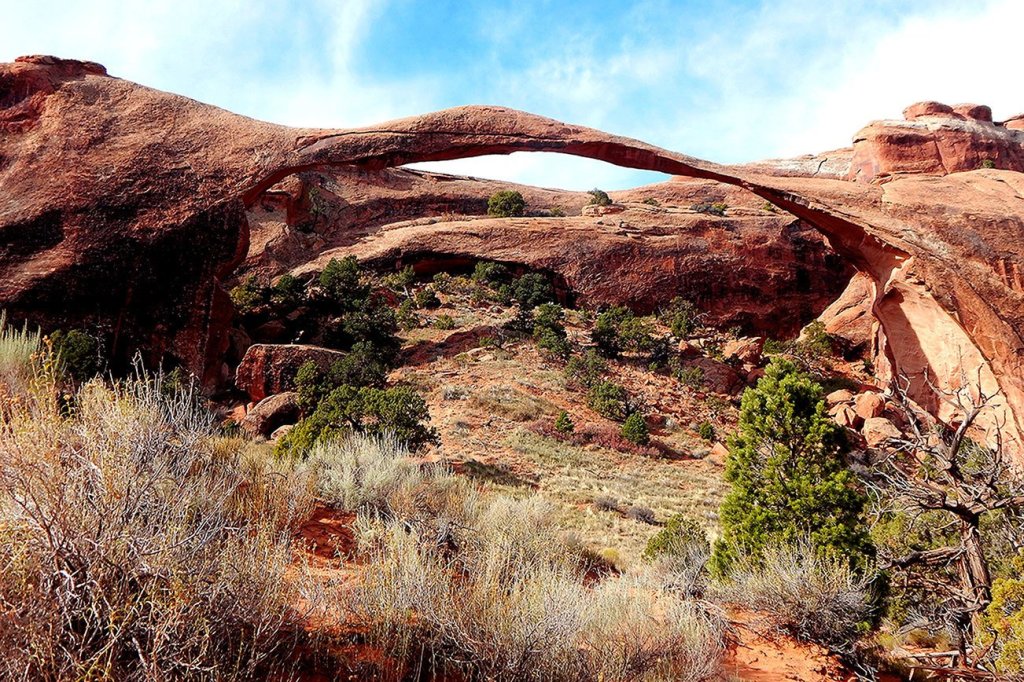
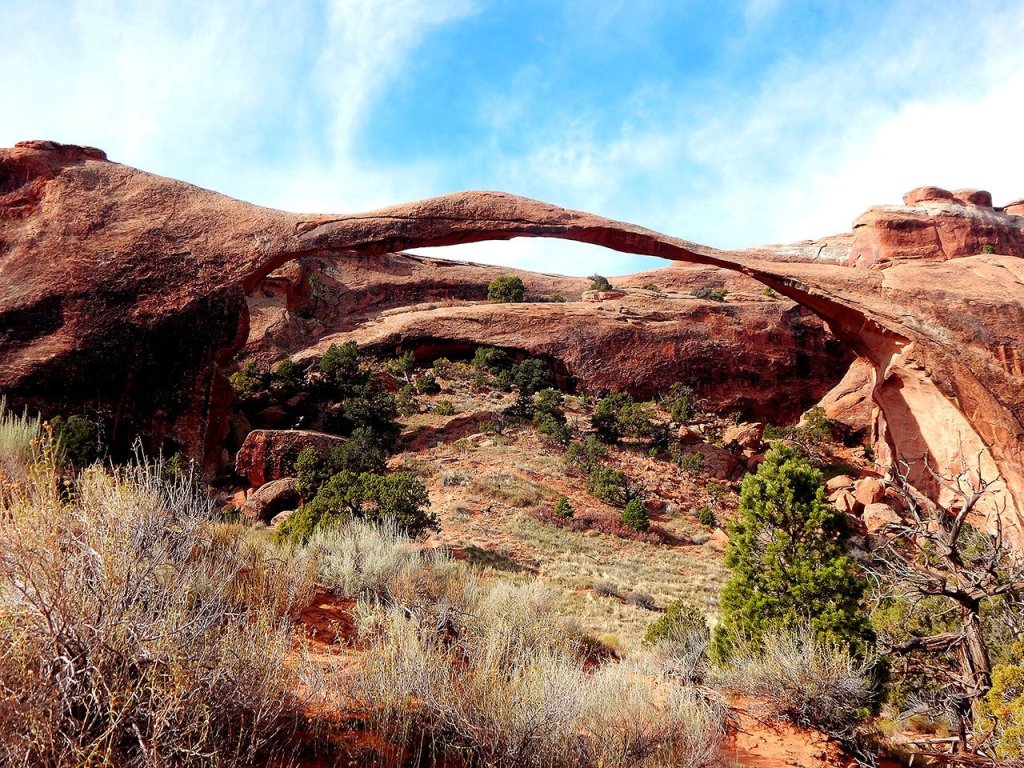
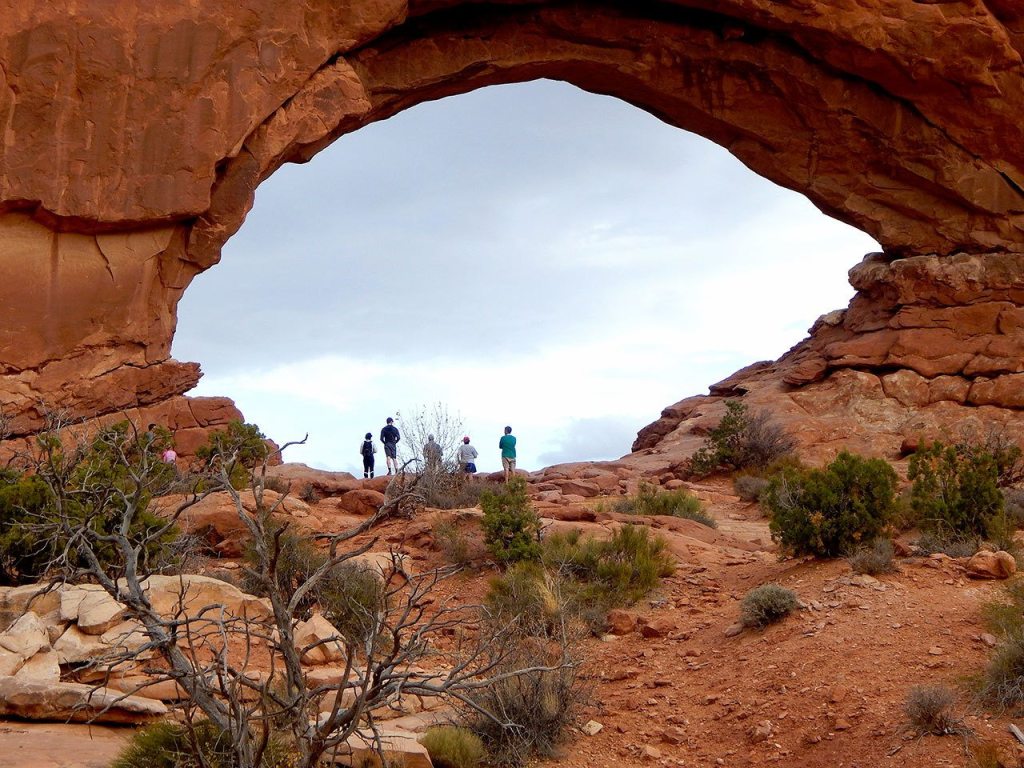
Landscape Arch and Delicate Arch are perhaps the most famous of the rock arches in the park. (Delicate is the image on vehicle license plates in Utah.) The Fiery Furnace rocks look like the embers in a log fire. The Windows district features the Double Arch, the north and south Windows and an outcropping of sand stone called the Parade of Elephants. (Humans are funny; we always want to give names to natural things that remind us of something else.)
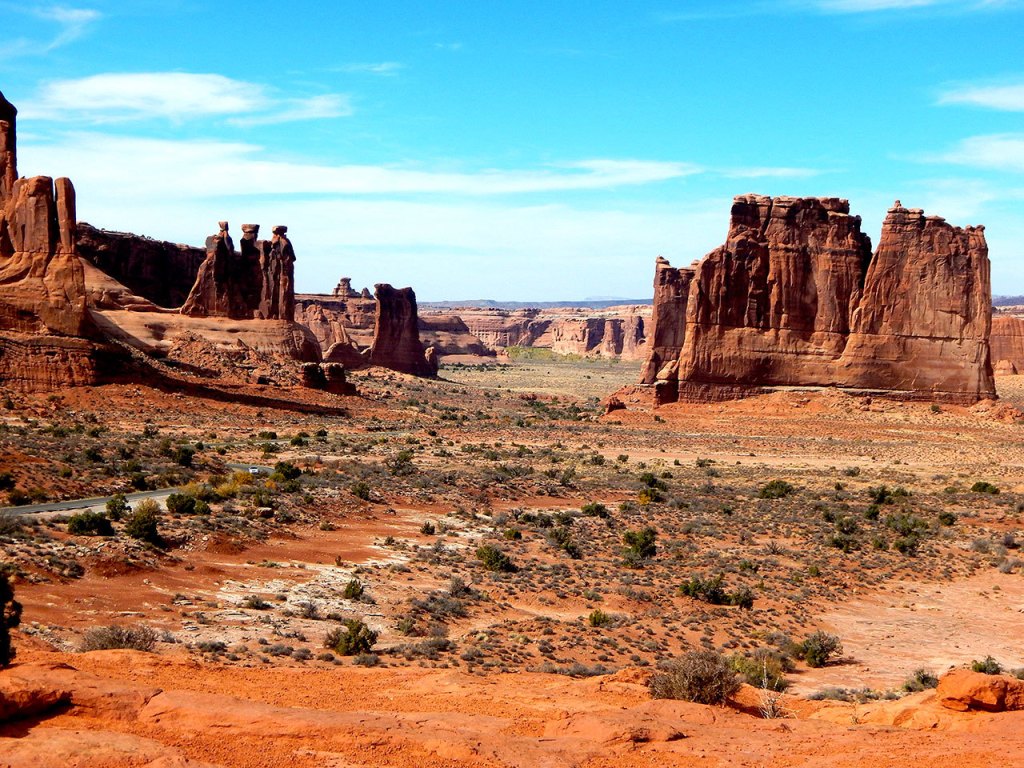
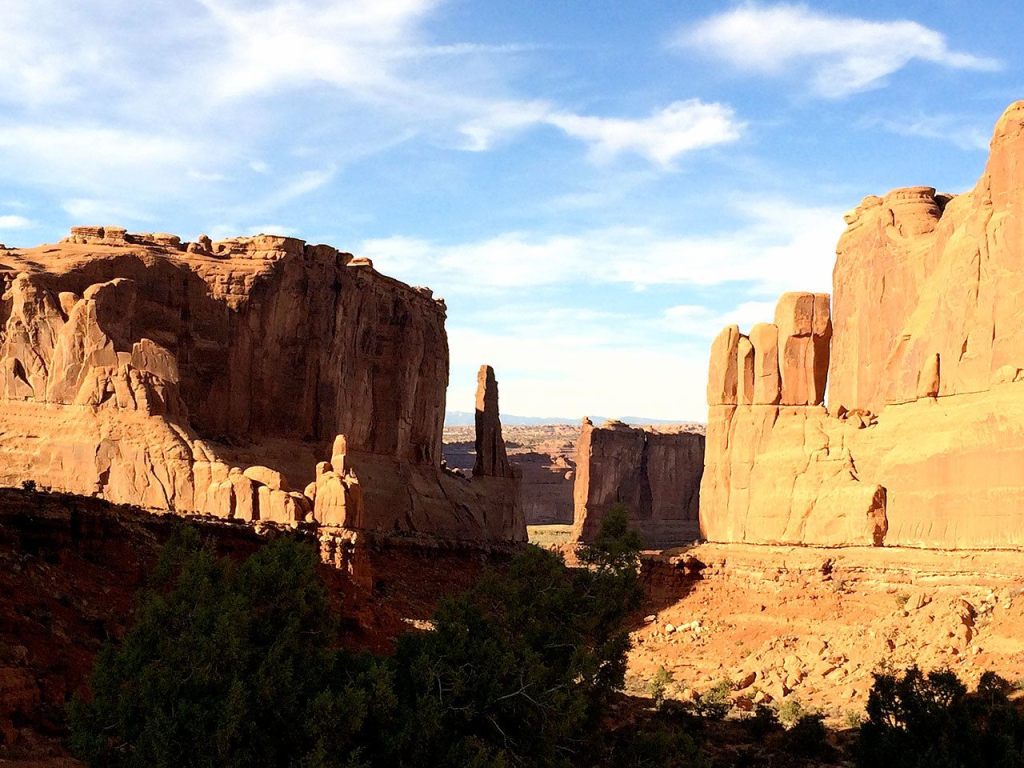
Perhaps even more impressive than Delicate Arch is the Courthouse Towers district at the south end of Arches. Think about the scenery in movies such as “Thelma and Louise,” “Indiana Jones and the Last Crusade,” the 2008 Star Trek movie and the James Franco hiking film “127 Hours.” They were all filmed nearby, and in the Courthouse district it all looks familiar.
Still, we found one spot we loved just as much as any of the iconic sections of the park.
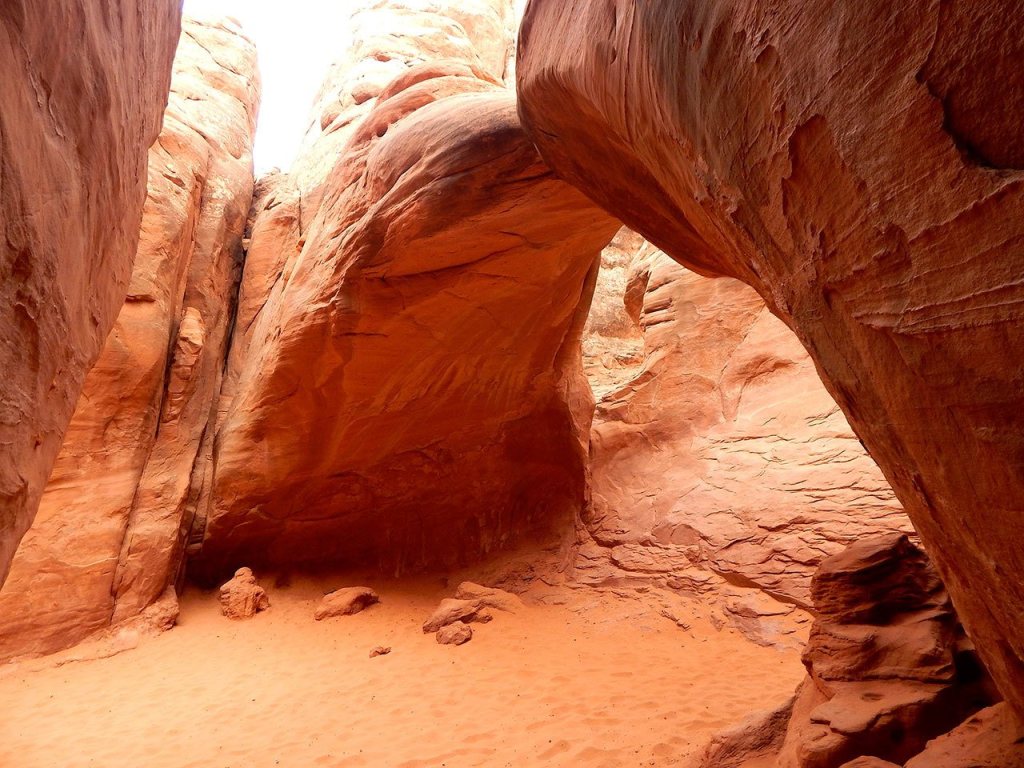
Sand Dune Arch, just south of Devil’s Garden, is in the middle of some high-walled fins. It was pretty warm on the day we visited, and it was as if we had entered a cool, high-ceiling cathedral. It was quiet (silent) except for a bit of a breeze flowing the rock walls. The sandy floor was cool as well. I could have stayed there all day.
Always go to the National Park Service visitor centers. And that’s what we did at Arches and the next day in the Island in the Sky district of Canyonlands.
Watch the documentary films, which are usually quite good. Fill up your water bottles. And get extra information about hikes, flora and fauna, and the best times of the day to shoot photos. One thing people are constantly reminded is to hike on the trails and not on the cryptobiotic soil crust (algae, moss, fungi, lichen) that retains moisture on the desert floor. “Stay off the crypto,” warned my son, a former biology major.
At Canyonlands, we walked down to the Grand View Point Overlook, where one can see the area around the confluence of the Green and Colorado rivers as well as the Needles and Maze districts of the park.
The Island in the Sky district offers lots of overlook views across the canyons all around. Bring a picnic lunch and eat at the White Rim Overlook. Also, hike to see the Upheaval Dome, which probably was formed by the impact of a meteor.
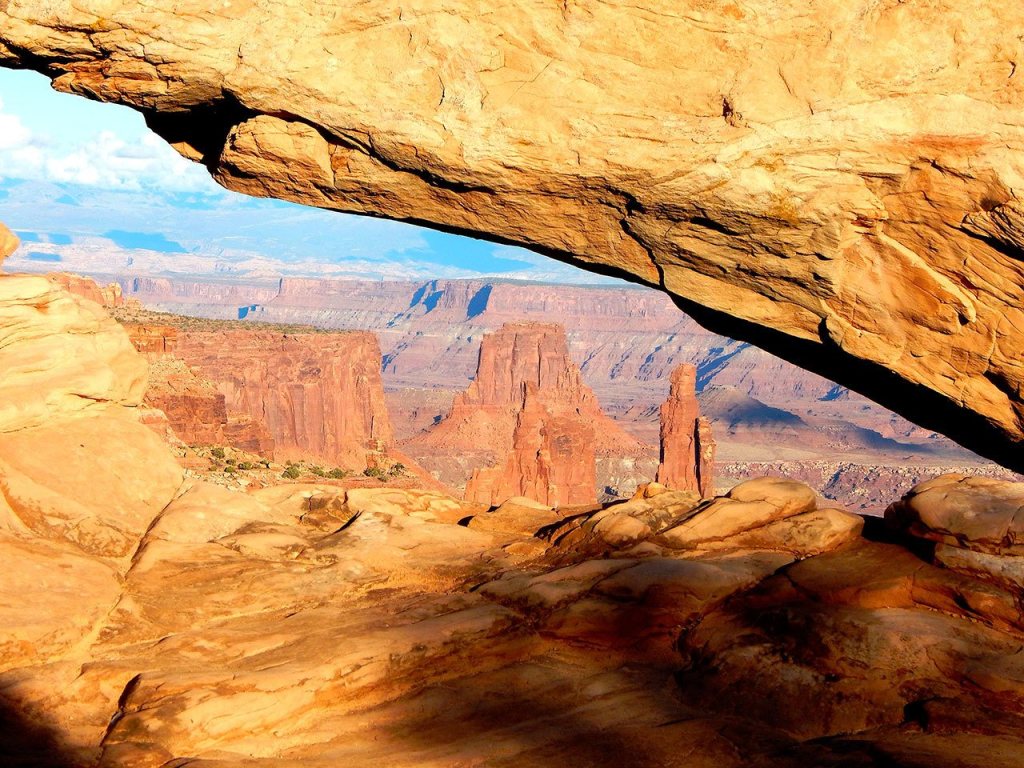
My favorite overlook is at Mesa Arch, a lovely half-mile walk from the road over some beautiful rocks. Most people say the best photos at Mesa are taken at sunrise. We were there just before sunset and the view out to the La Sal Mountains was even more beautiful.
In Moab, where we stayed in a funky but affordable old motel, there are three restaurants that deserve mention: Jailhouse Cafe, 101 N. Main, which is housed a former county courthouse and jail (get the Swedish pancakes with lingonberry compote); Twisted Sistas Cafe, 11 E. 100 North, serves a fabulous steak salad; and people line up to eat at Miguel’s Baja Grill.
Outside of touring the parks, the Moab Folk Music Festival is staged in November and most of the local outdoor guides and outfitters (mountain bikes, off-road vehicles, river raft trips) are still operating at this time of year.
Before you leave town, stop by the Moab Rock Shop, which has a large selection of local rocks and even dinosaur fossils from Utah.
The trip to Arches and Canyonlands was a nice way to celebrate the 100th anniversary of the founding of the National Park Service.
If you go
More information about Moab and the national parks can be found online at www.discovermoab.com, www.nps.gov/arch and www.nps.gov/cany.
How the arches formed
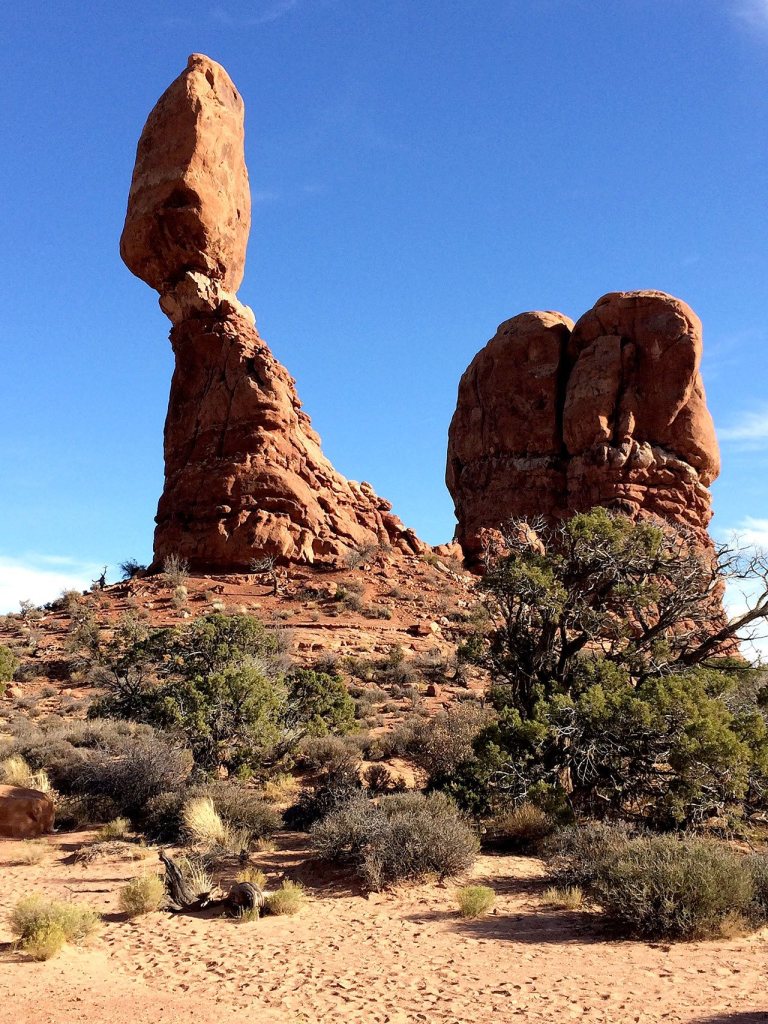
The arches in both Arches and Canyonlands national parks have taken more than 300 million years to form. When ancient seas retreated, layers of salt, sand and sediment were compressed into sedimentary rock. Salt and rock layers, bent at different rates by geologic forces, caused fins or narrow canyons to form. Over time softer layers of sandstone beneath the surface of the fins were eroded by wind and water, causing ever growing holes to form. The same process also created balancing rocks and other spectacular geologic features. The red color of much of the sandstone is caused by the high concentration of iron in the rock.
— National Park Service