Editorial: Legislators left details of teacher pay to others
Published 1:30 am Sunday, August 26, 2018


By The Herald Editorial Board
It’s all over but the shouting.
At least as far as the courts are concerned. In a state Supreme Court ruling from June, state lawmakers satisfied the justices that they had substantially increased funding for K-12 education, ended an over-reliance on local school district levies for teacher salaries and were now meeting the state’s constitutional obligation to amply provide for basic education, ending the decade-long McCleary lawsuit.
But the shouting heard recently from teachers and their unions means it’s far from over as far as they, school districts and state officials are concerned. And the same goes for students and parents, if teacher strikes result.
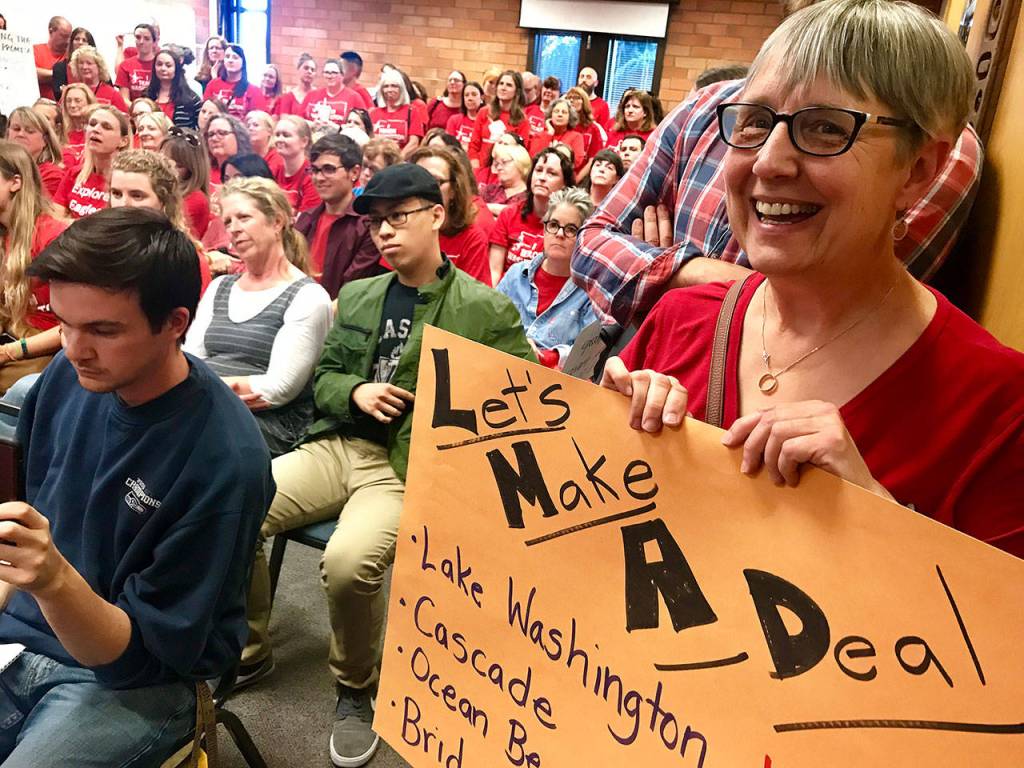
“McCleary’s decided. The funds have been provided,” went the cheer among teachers during a Marysville School Board meeting last week. The Marysville School District and nearly all Snohomish County school districts and some 200 other districts across the state are now working to wrap up contract negotiations with their teachers unions before the start of school.
Teachers in Longview already are on strike, and teachers have authorized strikes in other districts, including Stanwood-Camano, if contract talks don’t reach agreements soon.
Negotiations that already were a delicate give-and-take process for most districts now have been complicated by the influx of funding — $9 billion statewide in recent years including $2 billion in the last state budget — and the perception that school districts are flush with cash and ready to hand out significant and deserved pay raises.
And teachers in some districts have won those raises, including up to 20 percent for teachers in Edmonds and 13 percent for Mukilteo teachers. Shoreline, just south of the county, gave its teachers an average 24 percent raise. But not all districts, even with the funding increase, will be able to match the increases seen in some districts, the state’s top schools official is warning.
Superintendent of Public Instruction Chris Reykdal, in a letter last week to the state’s 294 school district superintendents, told district officials what they most certainly already knew: “You are limited by what you can afford and what you can sustain,” and “several districts have less financial opportunities to provide the large percentage increases for salaries that we have seen thus far.”
In a letter to state lawmakers a month earlier, Reykdal faulted legislators for not being clear among themselves as to what they intended, specifically with compensation for teachers and other district employees, leaving the details and the numbers up for interpretation and creating a “wide open collective bargaining framework.”
Lawmakers were clear on what school principals and other district administrators could expect in a pay raise, setting a limit of 3.1 percent. But the legislation appears to consider that 3.1 percent increase as a floor for teacher pay raises. While the state has taken responsibility for funding basic education — salaries for teachers and others — lawmakers left the task of contract negotiation up to individual districts.
At the same time, legislators further complicated negotiations by throwing out the existing salary schedule that pinned raises to teachers’ years of service and education level.
The funding mechanism that was developed to satisfy McCleary — the levy swap — is behind much of the disparity in what districts will be able to afford in negotiating teacher pay in future years. The swap gave with one hand and took away with the other, increasing the state’s share of the property tax that goes for schools but capping the rate of local school district levies at $1.50 per $1,000 of value. Differences in district valuation will mean that some districts will be able to collect more per student than others.
And what districts are agreeing to now in pay raises could limit their flexibility in what they can afford to fund in the “enhancements” that the local levies are supposed to support. That could eventually mean cuts to programs and staffing for some districts.
Teachers don’t deserve condemnation for seeking pay increases, and districts shouldn’t be faulted for agreeing to raises they can responsibly afford. Average teacher pay in Washington state declined 8 percent between the 1999-2000 school year and 2016-17, from $58,987 to $54,998, according to the U.S. Education Department. And in some districts, pay has lagged and prevented those districts from attracting and retaining good teachers.
Lawmakers, most now seeking re-election before the Legislature’s next session begins in January, may have thought they had put the issue of school funding behind them. But greater clarity is needed from them as to what they intended as well as a reconsideration of limits on local levies, which, after all, are ultimately determined by local voters.
Legislators are out from under the scrutiny of the courts on school funding, but they still owe teachers, district officials, parents and students more clarity and equity.