With horror a must-see genre again, what’s a scaredy-cat to do?
Published 1:30 am Monday, March 25, 2019
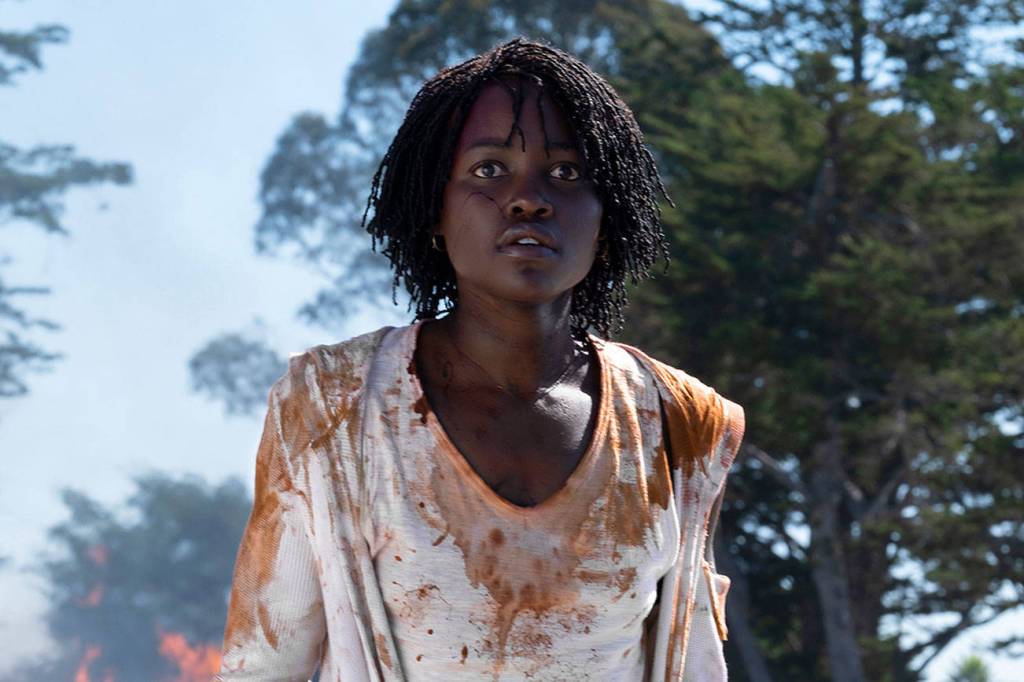
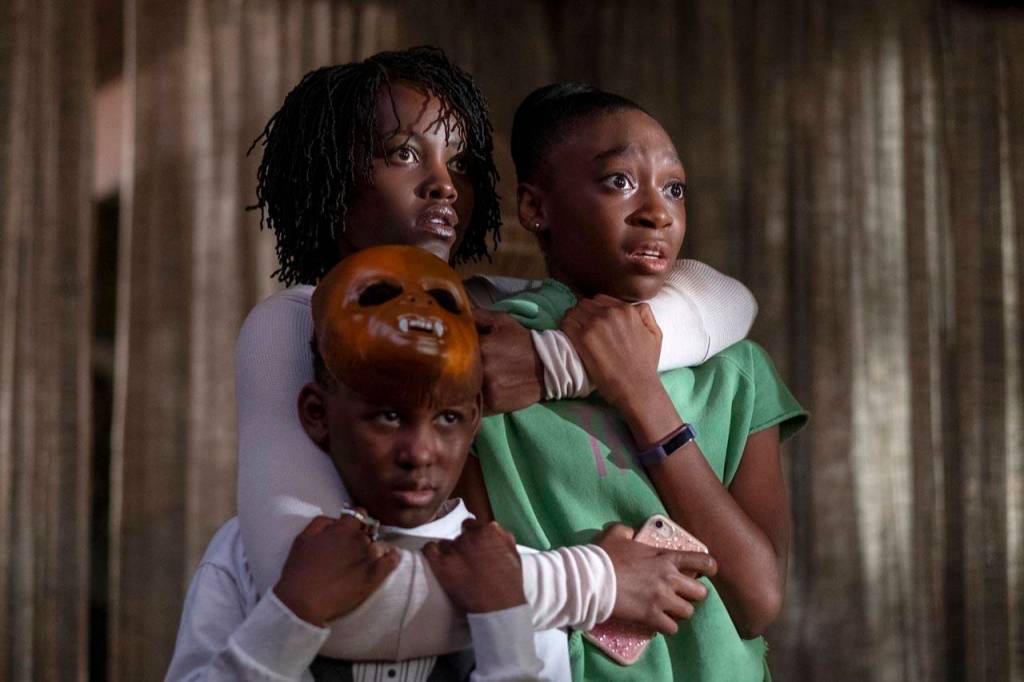


My anxiety began eight days before the advanced screening of “Us,” Jordan Peele’s latest horror movie.
Willingly sitting in a dark movie theater so that horrifying surprises can mentally and emotionally terrorize me? Not my idea of a relaxing time! While it’s very cool that I get to watch movies as part of my job, when that involves watching scary ones – well, I think I deserve some hazard pay, is what I’m saying.
Avoiding the horror genre has become increasingly difficult for anyone into movies and pop culture. In recent years, several films classified as horror have topped critics’ lists and won Oscars, sparking talk of it as the new prestige genre. The films have inspired ubiquitous memes, turned into think-piece fodder and received the “Saturday Night Live” treatment.
Between “Get Out,” “A Quiet Place,” “Hereditary,” “Bird Box” and the forthcoming “Midsommar,” “Ma” and now “Us,” horror has once again gone mainstream.
“As a horror fan and creator, all of us are singing in the streets,” says author and university lecturer Tananarive Due.
Meanwhile, us wusses are cowering under our sheets.
“Why am I creating more anxiety when I have enough just getting in my car and driving to work?” wonders Aisha DeBerry, 39. “And then to pay for that? It doesn’t make sense.”
The conversation also includes how to classify these movies. When “Get Out” earned Golden Globe nominations under the comedy category, Peele subversively declared that the movie was actually a documentary. “‘Us’ is a horror movie,” Peele tweeted Sunday, a message that star Lupita Nyong’o reiterated.
“There’s become an effort to redefine horror films that are actually critically acclaimed,” Kendrick says. “(As though) if they’re that good or well-made or thematically prescient they can’t be horror, they must be something else.”
Horror is more than gore and slasher films, says Due, who executive-produced the documentary “Horror Noire” and teaches a course on “the Sunken Place” (from “Get Out”) at the University of California at Los Angeles. “This is a genre that can really help us as a society confront anxieties, fears, transitions, obstacles.”
Due loved horror as a child, when watching it was a fun way to be scared within a safe context; with age, it became a therapeutic method to deal with heavier anxieties. It’s a lesson she gleaned from her mother, the late civil rights activist Patricia Stephens Due, who was a horror fan; the genre served as an outlet for the racial trauma she endured.
“Headlines scare me. True crime stories scare me. … Real, human monstrosity is not fun for me to watch,” Due says. “When those people are supernatural or when there’s a fantasy element, when there’s a monster, now I’m ready to watch because the monster in a horror movie can be a stand-in for real-life monstrosity that lets me engage with it from a distance, but also leech out that trauma and expel it in a way that can feel fun.”
Fun, you know, like how a roller coaster is supposed to be fun. “You’re putting yourself in a situation where your mind and body feels it is in constant danger,” Kendrick says. “You’re out of control and you’re at the mercy of this machine that you strapped yourself into. … For those who like it, it’s the relief at the end that you got through it.”
But some of us are roller coaster people, and some of us (myself included) are not.
It’s great that filmmakers are excited about their craft and igniting deeper cultural conversations through horror movies. But it can be a little frustrating for us wimps. “People are saying really interesting and important things – maybe making important social commentary – that’s hard to watch because I’m a wuss,” Rickards says.
Many self-described scaredy-cats will face their fears, particularly with Peele’s films, because of the critical buzz and the cultural importance of a black filmmaker creating horror movies starring black people and tackling weighty issues.
That’s one way to get through it. Another popular strategy among those with delicate constitutions: reading the entire plot on Wikipedia before stepping foot into a theater. Some of us don’t want any spoilers, though – Hopper wants a website that warns of the severity and nature of the horror within a particular film without giving anything away.
The setting is key, too. Some insist that the movie theater, far from home and among a crowd, feels like the best place to watch a movie. Others say your living room, where you can walk out or hit pause or blast the lights, is the ideal setting for cowards.
Due has her own tips: Constantly tell yourself, “It’s only a movie,” employ the “tried-and-true trick of covering your eyes at key moments” and binge on scary, real-life news on the day of viewing.
The feeling of dread I had while watching “Us” returned, but now it was about the world – the actual one where I have to live. Are we those blinkered dummies, who don’t see the monsters until it’s too late?