Good news: Your PUD utility bill won’t go up in 2020
Published 1:30 am Wednesday, December 25, 2019
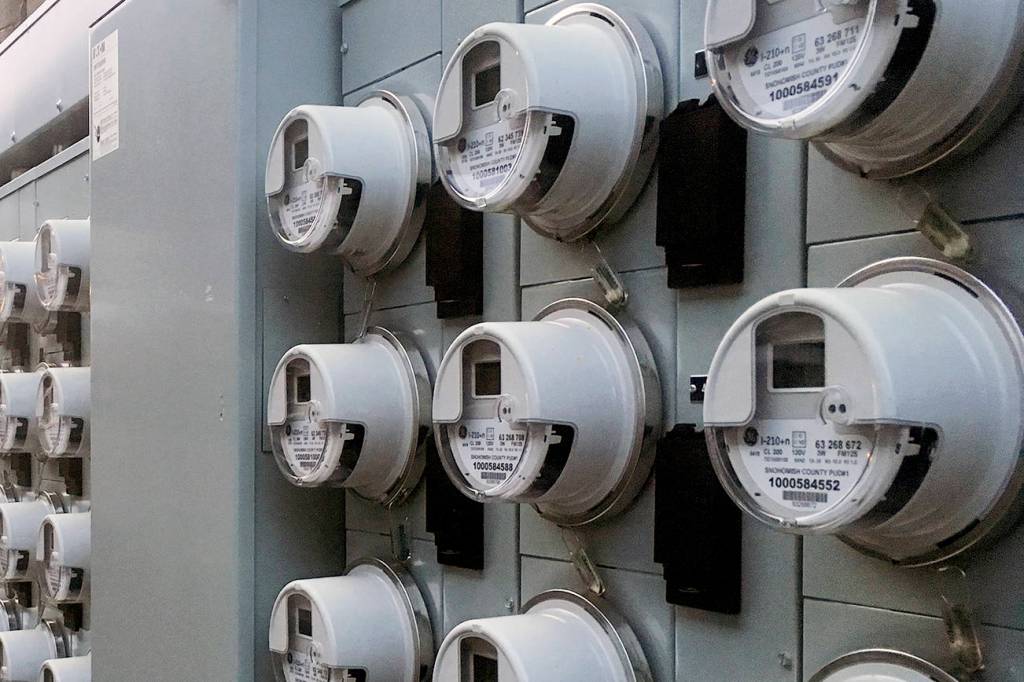
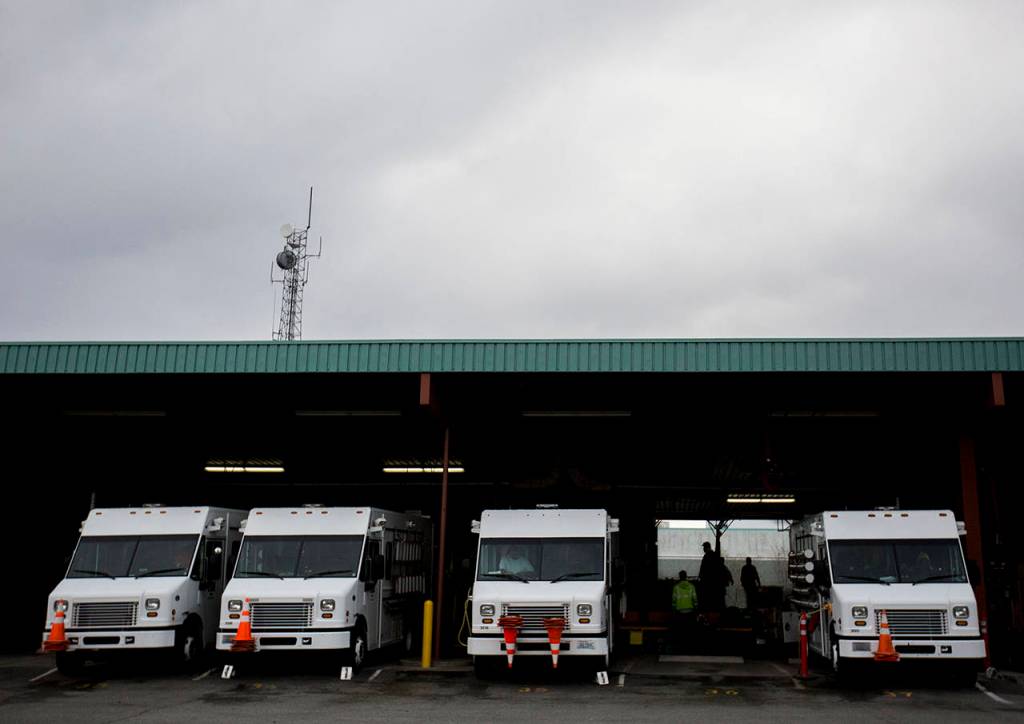


EVERETT — Snohomish County PUD bills are not going up in 2020, but don’t crank up the heater and prance around in your Santa boxer shorts. Energy conservation is one reason the cost isn’t rising.
This is the third year in a row the Snohomish County Public Utility District hasn’t raised electric or water rates. The utility serves 352,000 electric customers and 20,000 water users in Snohomish County as well as on Camano Island in Island County.
“Some big debts have been paid off,” said Aaron Swaney, PUD spokesman. “It has been a priority to keep rates affordable for customers.”
The 2020 operating budget includes $650 million for the PUD’s electric system, down $15 million from $665 million for 2019. Most of the decrease in expenses is due to lower Bonneville Power Administration costs and service payments related to the Jackson Hydroelectric Plant.
So with all that extra dough, why aren’t rates going down?
“We had other places where we had a reduction in revenue, and some increases in our capital project budget,” Swaney said.
Expenditures include improvements to the PUD’s electric distribution infrastructure through construction of new substations in Stanwood and Lynnwood. The design and construction of a new community office in Arlington is another project.
The reduction in revenue is due to customers being more frugal in their energy use.
“People are being more energy-efficient, so they are using less of our product, “ Swaney said. “Ultimately it’s a good thing. It’s cheaper for us to incentivize customers to be energy-efficient than building a new natural gas plant. Instead of having to build a resource that’s going to produce that energy, we can just have people not need it in the first place.”
The PUD offers rebates for customers who buy certain efficient appliances, such as dryers, freezers and refrigerators, as well as insulation, windows and sliding glass doors. At some stores there are instant rebates on LED bulbs and shower heads.
An electric car is the rebate mother lode. The American Public Power Association and Nissan offer rebates of $2,500 and $3,500 on certain models of all-electric 2019 Nissan Leaf cars. Deadline to cash in is Jan. 2.
Swaney said more money will go for discount programs based on income.
“Those are seniors living on fixed incomes, people living below the poverty level, those who really need help,” Swaney said.
The PUD’s residential electric rate is 10.4 cents per kilowatt-hour. The national average is about 13 cents per kilowatt-hour, according to the U.S. Energy Information Administration.
The national average for a U.S. home customer was 10,972 kilowatt-hours a year, or 914 kilowatt-hours per month, with a bill of $117.65.
In Washington, monthly electric use averages 957 kilowatt-hours for an average bill of $93.34.
That’s roughly the average electric home bill in the state of Maine, where it’s 16.84 cents per kilowatt-hour and average use is for only 572 kilowatt-hours. Those folks might need to put on a bathrobe over their Santa boxers.
Andrea Brown: abrown@heraldnet.com; 425-339-3443. Twitter: @reporterbrown.