Automated license plate reader bill heads to governor’s desk
Published 1:30 am Thursday, March 12, 2026


EVERETT — As Washington’s first legislation regulating automated license plate readers heads to the governor’s desk, the status of Everett’s Flock Safety cameras remains up in the air.
On Tuesday, Senate Bill 6002 officially passed both chambers of the Legislature. The bill provides clarity on public records law, what crimes officers can use automated license plate readers to enforce and how long departments are allowed to retain data.
Over the past several months, some Snohomish County cities have paused their Flock camera networks or canceled their contracts with the company. Community concern over the technology grew after reports that federal agencies — including U.S. Customs and Border Protection — accessed several Flock networks in the county without police departments’ knowledge.
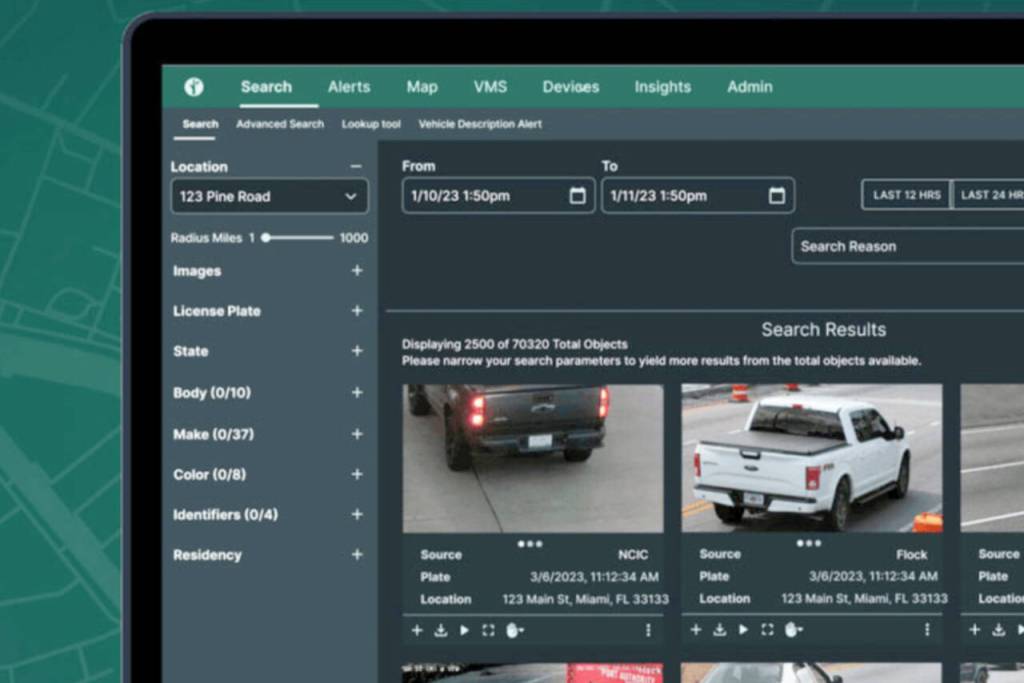
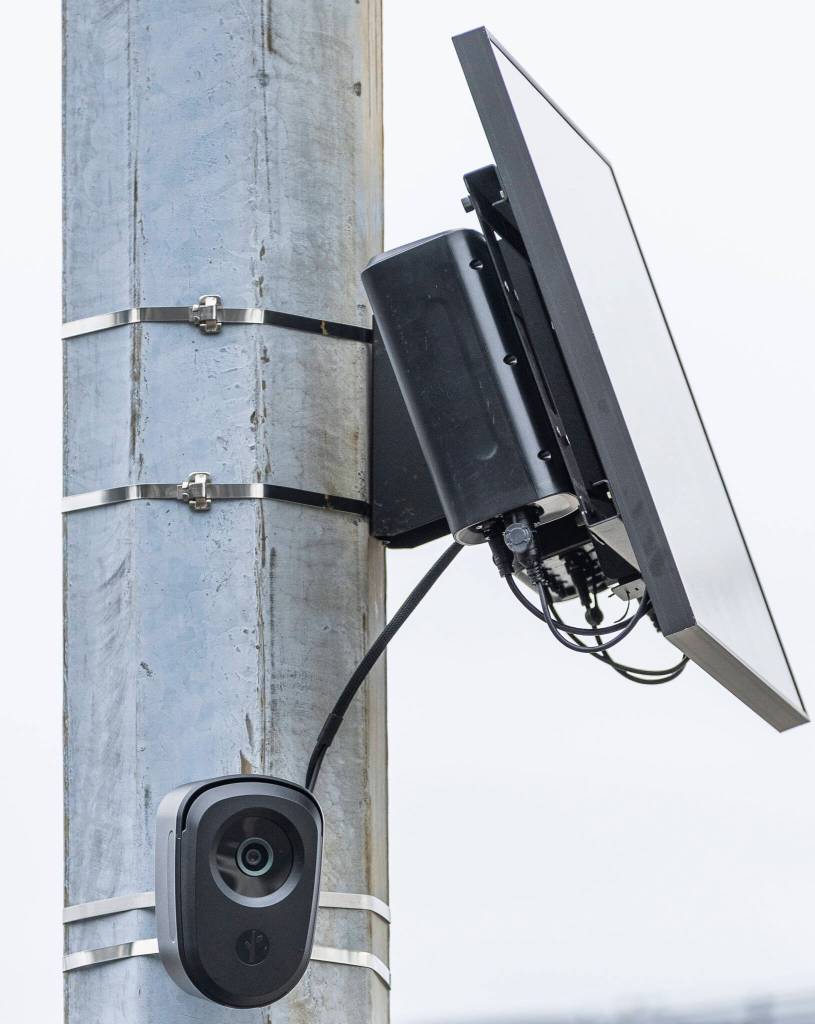
Flock cameras are automated license plate readers that use artificial intelligence to analyze vehicle footage. Many law enforcement agencies across the country have implemented the technology as an investigative tool to assist with solving crimes, including vehicle theft.
On Feb. 24, a Snohomish County Superior Court judge ruled that Everett’s automated license plate reader footage is considered public record under the Public Records Act. The city had argued the footage should be exempt for privacy reasons.
The next day, Everett Mayor Cassie Franklin announced that the city was pausing its Flock camera network due to public records concerns while it awaited the fate of SB 6002, which explicitly exempts automated license plate reader footage from the Public Records Act. At a City Council meeting Wednesday, Government Affairs Director Jennifer Gregerson said she is waiting to hear from the mayor on next steps regarding the status of the city’s network.
The city plans to ask the Snohomish County Superior Court to vacate its judgement on automated license plate reader footage, City Attorney David Hall said at the meeting.
In May, the city of Stanwood paused its Flock cameras after receiving public records requests for footage. In November, a Skagit County Superior Court judge ruled in a case brought by Stanwood and Sedro-Woolley that the footage was considered public record. The city does not currently have plans to turn the cameras back on, said Nicole Strachila, Stanwood spokesperson, in a statement Tuesday.
“The City is continuing to monitor the situation and will be discussing it further among City staff and City Council,” she said.
Some cities opted to cancel their contracts with the company completely before the legislation was passed.
Last month, the Lynnwood City Council unanimously voted to terminate its contract with Flock. Lynnwood Mayor George Hurst had asked the council to wait for SB 6002 to make its way through the Legislature, but many council members expressed their distrust of Flock, regardless of the legislation.
“Public trust cannot be put on hold while we wait to see if safeguards might work next time, and at a time when trust in government is already fragile, continuing with a system that has breached our confidence is a risk we should not take,” council member Isabel Mata said at the council’s Feb. 23 meeting.
In December, Mountlake Terrace canceled its contract with Flock before its cameras were installed, citing community division and public records concerns.
Last month, local advocacy groups — including NAACP Snohomish County, Indivisible Snohomish County and Unidos Snohomish County — urged the Everett City Council to end the city’s contract with Flock. In an interview Wednesday, NAACP Snohomish County Executive Director Janice Greene said she would still like to see the council review the contract.
“I don’t think they have control over that information, Flock has control over that information,” she said. “… We’re talking about our basic constitutional civil rights. I appreciate the progress made, but I think this will take much more in-depth discussion.”
SB 6002 also shortens the amount of time police departments can retain ALPR data. Most departments have been retaining Flock data for 30 days, which is Flock’s default retention period. While an earlier version of the bill shortened the retention period to 72 hours, lawmakers amended it to 21 days.
An earlier version of the bill only allowed officers to use ALPRs to find vehicles involved in a felony or on a watch list for stolen vehicles or missing people. After pushback from law enforcement agencies, lawmakers expanded the allowed use to include gross misdemeanors.
Gov. Bob Ferguson has about 20 days to sign the bill into law.
Jenna Peterson: 425-339-3486; jenna.peterson@heraldnet.com; X: @jennarpetersonn.