‘Welcome Home, Sgt. Bear’: Local veteran writes picture book about PTSD
Published 1:15 pm Monday, July 20, 2026
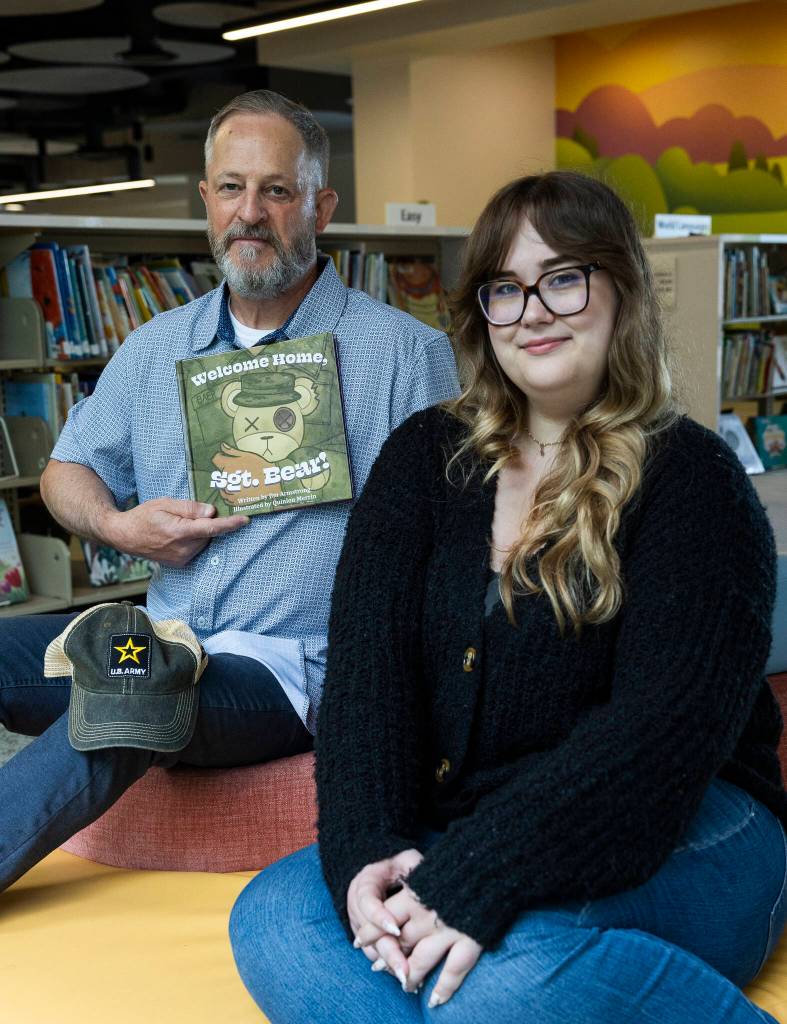


EVERETT — When Jim Armstrong returned from serving in Iraq in 2004, he went back to work two weeks later.
In 2006, he went back to active duty because of how difficult it was to live in civilian society.
One week after he returned from Afghanistan, Armstrong was back at work again.
“Nobody really realized exactly what I went through,” he said. “… I was back in the community with people that didn’t understand.”
Armstrong, who lives in Lynnwood, was later diagnosed with PTSD. While adjusting to civilian life has been difficult, his family and friends have helped him throughout the way, he said.
Now, Armstrong is aiming to teach families about PTSD in veterans through a picture book he authored, titled “Welcome Home, Sgt. Bear.”
“I’ve always been a creative person, I’ve had all these wonderful stories in my head,” he said.
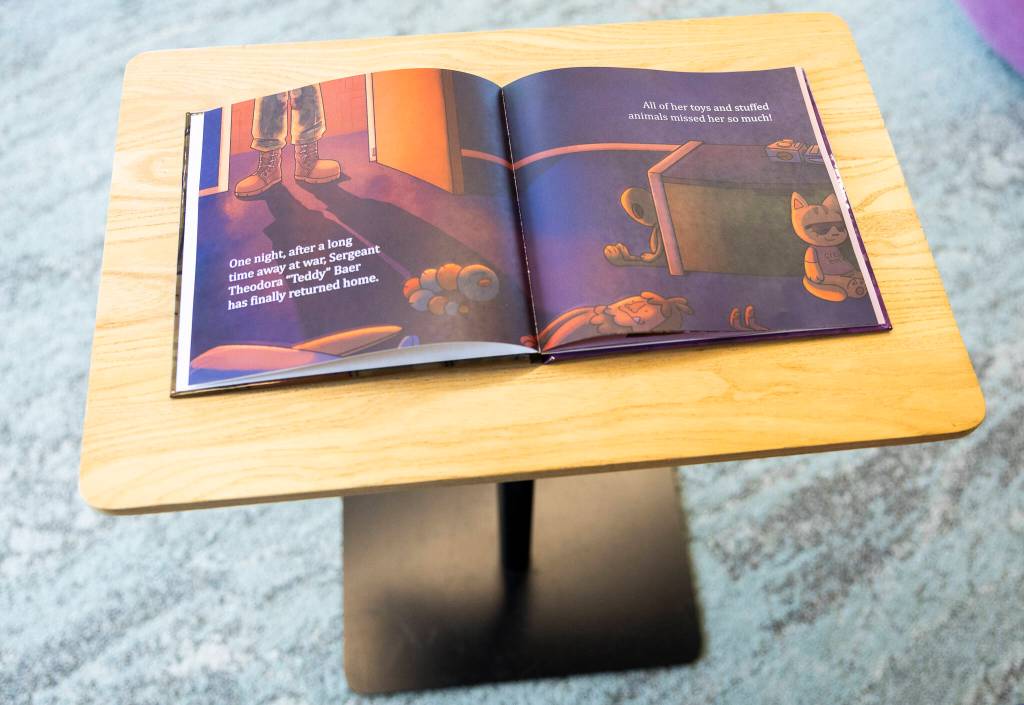
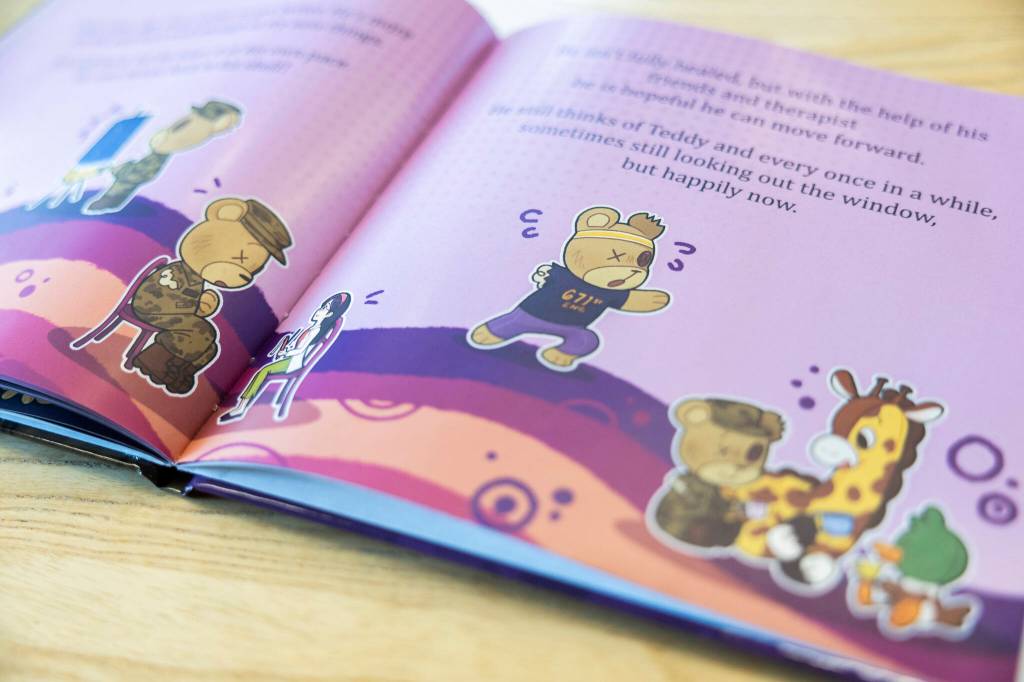
The story follows Sgt. Bear, a stuffed bear who just returned from war with his human owner. Sgt. Bear’s friends, Giraffey and Duckie, notice that he isn’t as lively as he was before he left. With the help of friends, Giraffey and Duckie try to help Sgt. Bear find some happiness again.
In 2024, Armstrong started working on the book alongside Edmonds illustrator Quinlon Merrin. The longtime family friends began drafting what they had planned to be a graphic novel.
Life got in the way for a bit, until earlier this year, when Armstrong received a grant from the Washington State Art Commission. The commission’s Wellness, Arts and Military program provides one-time grants of up to $3,000 for veterans engaging in a self-directed art practice.
Armstrong and Merrin had to use the funds within about five months, so they got to work. Merrin suggested using some of the previous illustrations she drafted for a picture book, and the idea began to come to life. The pair met every week for those five months, trying to capture the feelings of PTSD through words and illustrations.
“I would come up and say, ‘Sgt. Bear, he has PTSD and he just came back from the war and he’s having problems sleeping,’” Armstrong said. “So (Merrin) had to create a bear sleeping and struggling and having a nightmare. How do you do that? … I think that was the hardest thing, but we worked together so well.”
In May, Armstrong and Merrin officially published the book.
“It was a passion project,” Merrin said. “It’s a story that (Armstrong’s) been wanting to tell for a while.”
Armstrong is also the founder of the Pacific Northwest Veteran Assistance Program, which runs the Shoreline Heroes Cafe. He said his main goal is helping veterans heal. According to the U.S. Department of Veterans Affairs, an average of 17.5 veterans die by suicide each day in the United States.
“I was lucky,” Armstrong said. “I had a great wife that took care of my kids and took care of me, and great friends. The VA has wonderful support for mental health, but I was one of those people that didn’t take advantage of that for many, many years. Now I’m glad that I have.”
In the book, Sgt. Bear is reluctant to ask for help, but eventually receives help from a fellow veteran and a psychiatrist.
“I feel like in the social media age, people have become very isolated, and what we really need now is for people to see each other and be there for each other,” Merrin said. “… So many people struggle with mental health, and it’s a very alienating experience.”
While “Welcome Home, Sgt. Bear” is a picture book, it isn’t just for children, Armstrong said. He prefers to call it a “children and family book.” On Tuesday, Armstrong and Merrin took Sgt. Bear to the Shoreline Heroes Cafe, and veterans ages 25 to 95 enjoyed the story.
“A lot of people have grandkids, but some people said, ‘No, I don’t want it for my grandkids, I want it for me,’” Armstrong said.
Looking forward, Armstrong and Merrin want to get the book into local bookstores and schools across the country, particularly elementary schools in military installations. For now, “Welcome Home, Sgt. Bear” is available for purchase at welcomehomesgtbear.com.
“One of the main things that I really hope that people get from this book is that there is help there,” Armstrong said. “It takes a while to heal, and for family members and friends, don’t expect the person to be the same person they were before. Give them time.”
Jenna Peterson: 425-339-3486; jenna.peterson@heraldnet.com; X: @jennarpetersonn.