Take me out to Cooperstown
Published 9:00 pm Saturday, July 3, 2004
COOPERSTOWN, N.Y. – Everyone’s heard of the National Baseball Hall of Fame and Museum in Cooperstown, where the annual induction ceremony honoring the sport’s greatest players will be held this year on July 25.
|
Farmers’ Museum: Lake Road, Route 80, 888-547-1450 or www.farmersmuseum.org. Open daily, 10 a.m.-5 p.m. Admission: Adults, $9; seniors, $8; children 7-12, $4; children 6 and under, free. Fenimore Art Museum: Lake Road, Route 80, 888-547-1450 or www.fenimoreartmuseum.org. Open daily, 10 a.m.-5 p.m. Admission: Adults, $9; over 65, $8; children 7-12 $4; children 6 and under, free. National Baseball Hall of Fame and Museum: 25 Main St., 888-HALL-OF-FAME or www.baseballhalloffame.org. Open daily, 9 a.m.-9 p.m. Admission: Adults and children 13 and up, $9.50; 65 and up, $8; children 7-12, $4; children 6 and under, free. Glimmerglass Opera: www.glimmerglass.org or 607-547-2255. Cooper Inn: 15 Chestnut St., 607-547-2567 or www.cooperinn.com. Rates begin at $199 nightly. Otesaga Hotel: 60 Lake St., 800-348-6222 or www.otesaga.com. Double occupancy rates begin at $365. Cooperstown Lake Charters: www.cooperstownfishing.com or 315-858-3922. Half-day fishing trip, $175 for one or two people; full day, $300; family rate, $200 for up to four people. Cooperstown Getaway: Order a free brochure from 888-875-2969 or www.cooperstowngetaway.org. |
But this village in upstate New York offers much more than sports history. Summertime visitors throng here for all types of culture and recreation, from the Glimmerglass Opera and art by Grandma Moses and Winslow Homer, to boating on a picturesque lake, a museum of Indian artifacts, and the Otesaga, a 19th-century hotel restored to grandeur by a $40 million renovation.
Most trips here include stops at one if not all of the village’s three museums, which are home to giants – both real and bogus.
The baseball museum is a shrine to the greats of the game, including such Giants as Christy Mathewson (New York) and Willie McCovey (San Francisco). The memorabilia, equipment, uniforms, photographs and artwork that define the national pastime can be found within the walls of the 65-year-old museum.
At this year’s upcoming induction ceremony, Paul Molitor and Dennis Eckersley will have their plaques placed among legends like Babe Ruth, Ty Cobb, Jackie Robinson, Ted Williams, Willie Mays and Mickey Mantle.
At the Fenimore Art Museum, a towering 7-foot-tall wooden totem looms, fashioned more than a century ago by the Kwakiutl Indians of British Columbia. Created to welcome guests at tribal feasts, the figure now greets visitors to the museum’s display of the Eugene and Clare Thaw Collection, an impressive array of North American Indian art arranged by regions of origin.
At the Farmers’ Museum, another kind of giant is a popular attraction. The Cardiff Giant, a 10-foot-long stone carving, was passed off in the late 1860s as a “petrified man” by George Hull of Binghamton, who charged people 50 cents to view the curiosity. Even after he admitted it was a hoax, Hull’s giant remained popular with the public.
The Farmers’ Museum purchased the Cardiff Giant in the late 1940s, adding it to the museum’s collection of artifacts, crafts, tools, furnishings and other items that recreate rural life in mid-19th century New York state. The museum’s period rooms and active demonstrations give visitors a feel for how an agricultural community really lived – not, as one early supporter said, “as latter-day nice Nellies might wish it to have been.”
Thomas Costello, vice president of the New York State Historical Association, which runs both museums, offers a tip to first-time visitors.
“Get to know the museum,” he says. “Then, come back the next day and spend some more time.”
It’s good advice, considering the extent of the art museum’s holdings. The Thaw Collection alone contains hundreds of artifacts, from a 2,000-year-old Anasazi bag to Geronimo’s bow, arrows and quiver.
The native pottery, craftwork, weapons and ceremonial items bear intricate, colorful details that offer a glimpse into a lost world. The articles of clothing on display combine artistic flare with everyday function.
Also on display at the Fenimore are everything from Winslow Homer’s Adirondack masterworks to paintings by Anna Mary Robertson, better known as Grandma Moses. The Hudson River School is represented, while an extensive folk art collection displays images ranging from 18th-century Dutch life along the Hudson to the World Trade Center disaster of Sept. 11, 2001.
Down the road from the museum stands the 95-year-old Otesaga Hotel, one of the grand old hotels of upstate New York. With its front portico supported by 30-foot columns, the Federal-style structure’s charms transport guests back to another era.
Open only from mid-April through November, the 139-room hotel features its own 18-hole golf course, oak-paneled lounges, ornate dinning rooms and cozy suites with colonial-style furnishings – and flat-screen televisions.
“They just don’t make rooms like this any more,” says general manager John Irvin, gesturing at the original murals flanking the entrance to the ballroom.
The Cooperstown area offers many other lodging options, from mom-and-pop motels dotting the lake’s western shore to dozens of inns and bed-and-breakfasts. The 20-room Cooper Inn, owned by the same company that operates the Otesaga, was built a century before the Otesaga, but it has only been run as a hotel since 1927.
If you’re visiting on Hall of Fame weekend, just remember that accommodations may be hard to come by. The Otesaga, for example, is off-limits to everyone but Hall of Famers and their families.
In between museum tours, visitors to Cooperstown can catch a boat ride, take in the opera, or quaff a Belgian-style brew.
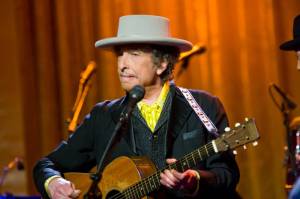
The Glimmerglass Opera, located just north of the village, is opening its 30th season with a performance of Puccini’s “La Fanciulla del West.” During its seven-week run this summer, the opera will also perform Gilbert and Sullivan’s “Patience,” Handel’s “Imeneo” and “The Mines of Sulphur” by Richard Rodney Bennett.
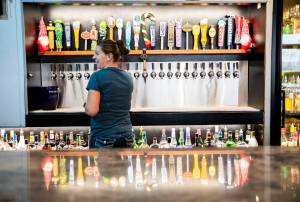
Just south of Cooperstown, the Brewery Ommegang serves up Belgium beers on a 135-acre farm that harkens back to the 19th-century days when Otsego County was the nation’s top producer of hops.