Wildlife rehabilitator goes to bat for the flying mammals
Published 1:30 am Tuesday, October 18, 2016
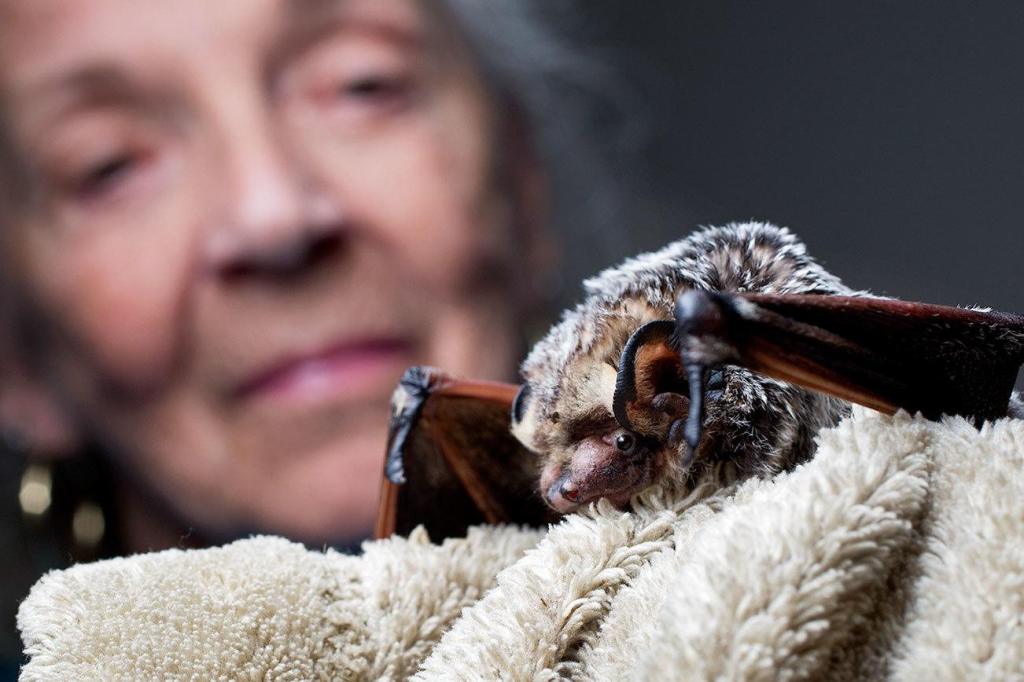
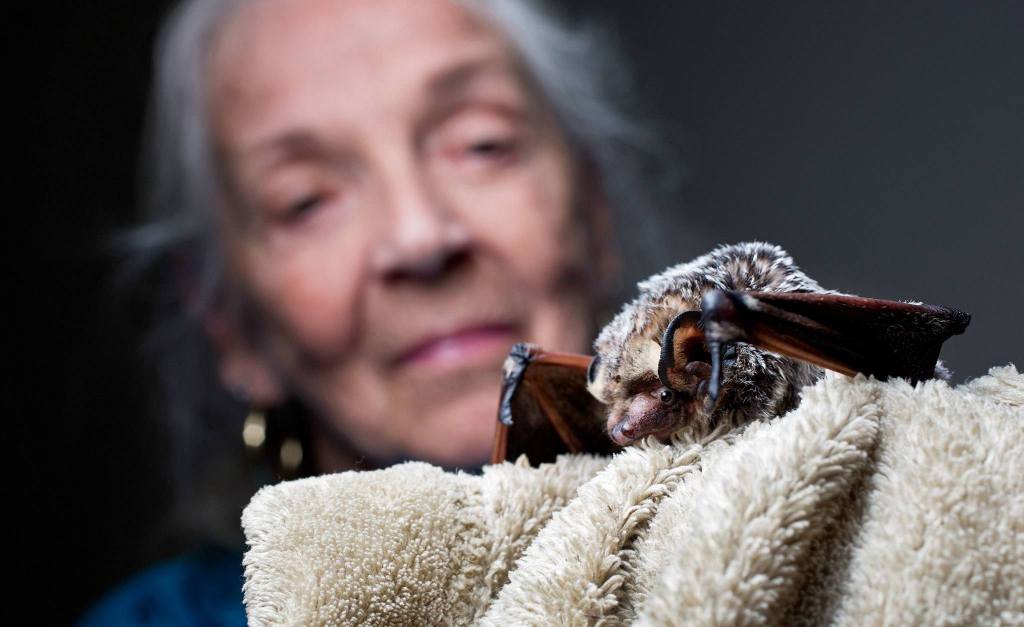
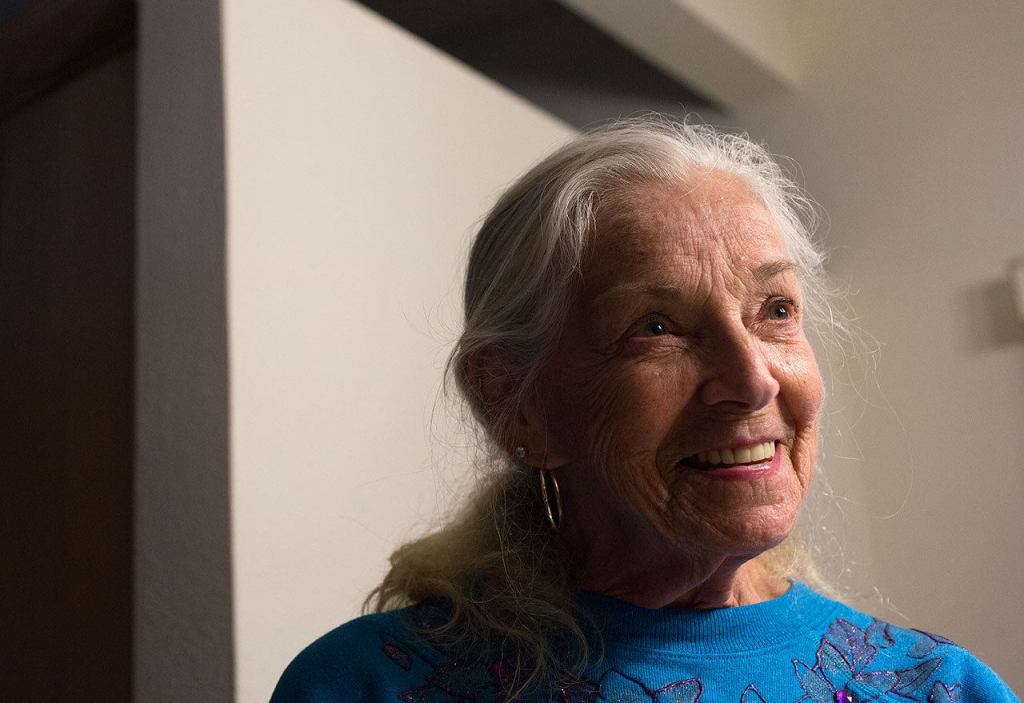



BOTHELL — Barbara Ogaard’s home isn’t a typical bat cave.
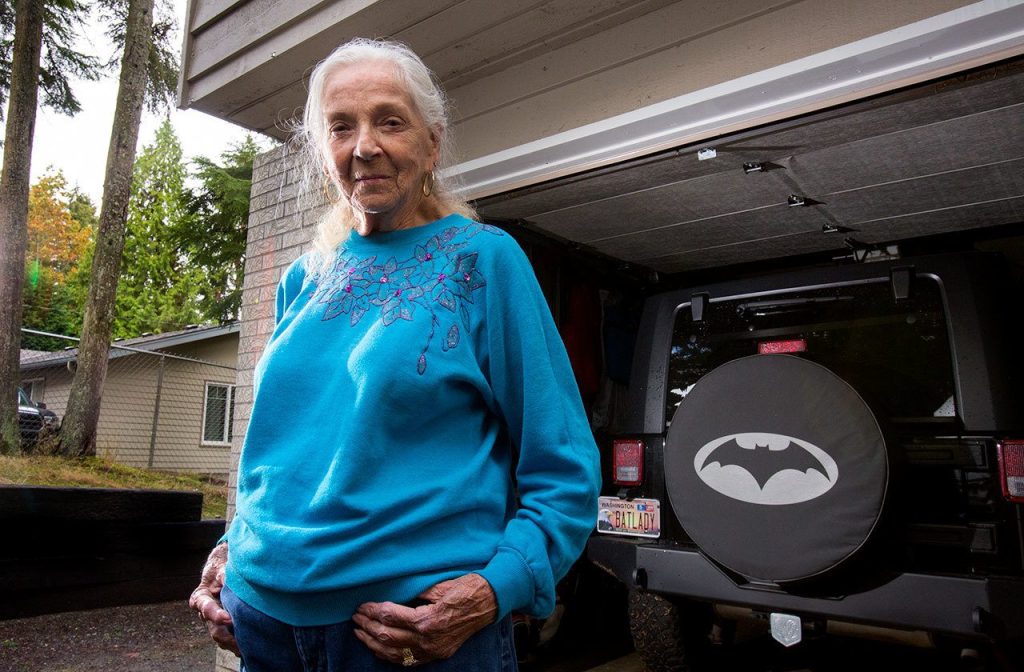
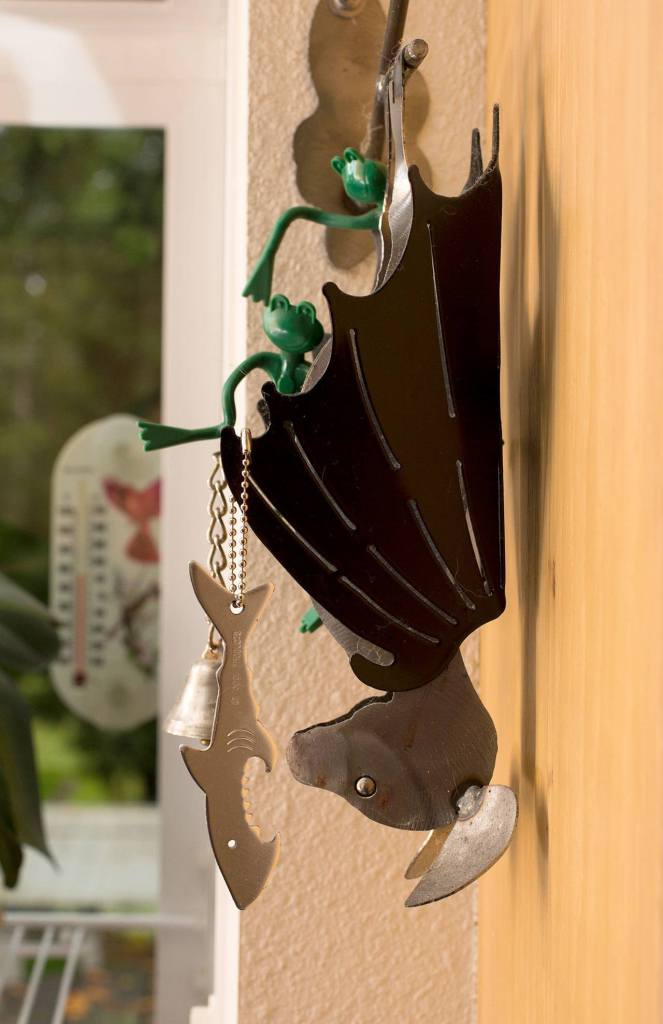
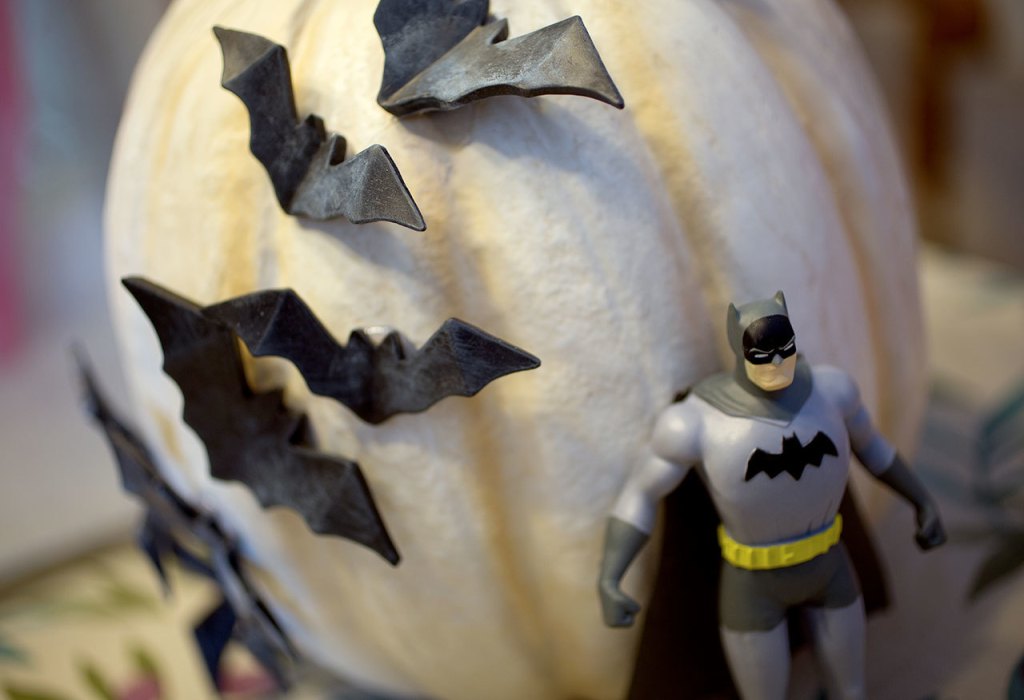
It’s bright and cheerful, with white walls, high ceilings and a skylight. There’s a bat-shaped welcome mat at the front door and an orange and black sign inside that warns visitors Ogaard has “batitude.” A black Jeep parked in the garage has a spare tire cover decorated with a bat silhouette and a custom license plate with Ogaard’s nickname: Bat Lady.
From her home, Ogaard cares for bats and prepares presentations to help people better understand the flying mammals she’s been working with since 1980. She’s a wildlife rehabilitator with Sarvey Wildlife Center in Arlington and also works with Bats Northwest and Happy Valley Bats. Her next public presentation is set for Friday at the Northwest Stream Center in McCollum Park.
Ogaard rehabilitates between 15 and 20 bats each year. She feeds them, brushes their fur to help them groom, and monitors their health. In a shed in her back yard, she helps young bats learn to fly. It’s not easy to get them into the air when they cling to her hands.
“You have to give them a few bat tosses and that gets them going,” she said.
Sometimes, bats stay through the winter to heal. They can’t be released until spring because other bats in the region are hibernating. They might be the symbol of Halloween, but most Washington bats sleep through the celebrations, she said.
Ogaard strives to debunk bats’ reputation of being creepy and dirty. People don’t realize how important they are to the ecosystem or how clean and nonaggressive they tend to be, she said.
At least 14 species of bats live in Washington. All are insectivores, and a single bat can devour hundreds of bugs in one night. Elsewhere in the world, fruit bats are pollinators. They are the main pollinators of the agave plant, and Ogaard tells adults they should thank bats for margaritas. Of about 1,000 species, only three varieties, all found in Central America, are considered vampire bats.
At a conference in Texas last week, Ogaard watched tens of thousands of bats swoop out of a cave at dusk. Researchers estimate they consume hundreds of thousands of bugs each night. Farmers have built bat boxes to attract them as natural pest control.
“The more you learn about bats, the more you like them,” Ogaard said.
Some rescue bats live with her. She brings them to presentations. Bats can live more than 30 years.
The big brown bat is the most mellow of Ogaard’s group. She took him in when he was only a couple of days old. He has soft brown fur that he grooms meticulously. She named him Robato.
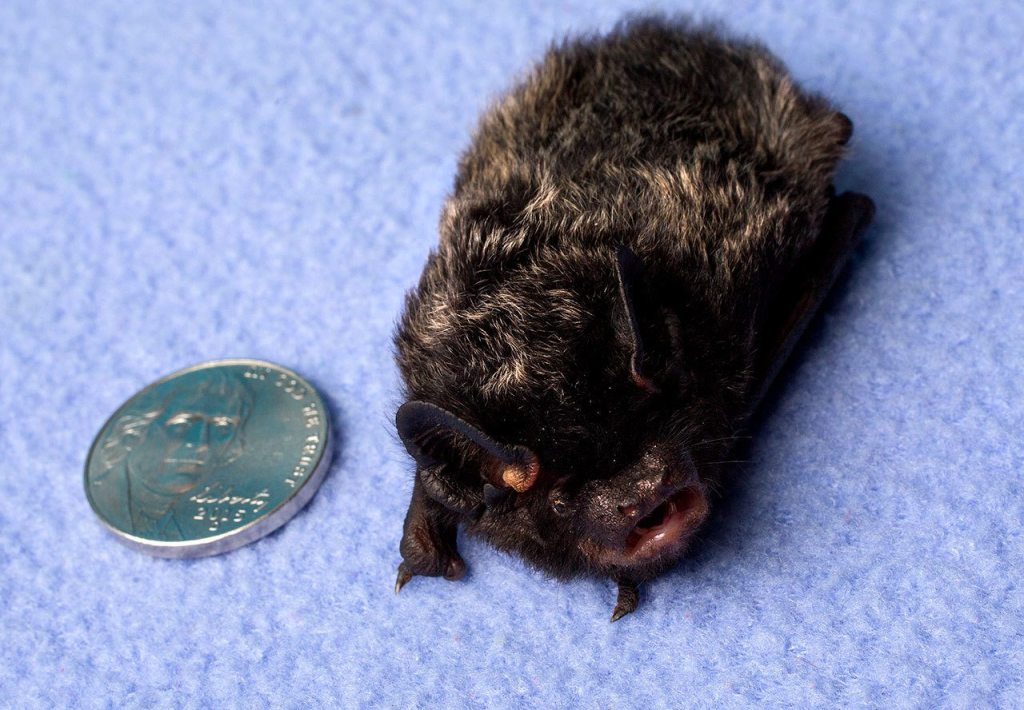
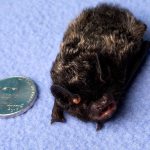
Cleobatra, a silver-haired bat, is small enough to perch in the palm of Ogaard’s hand. Ogaard uses tweezers to feed her mealworms.
Bella, a hoary bat, is larger and fussier. Ogaard took her in after she fell from a tree.
Spring is the busiest time for Ogaard because it’s baby season. The end of summer, when the pups become juveniles, also is hectic.
“Like typical teenagers, they get themselves in trouble,” she said. “Once Mum says, ‘OK, you’re on your own,’ they end up in people’s houses and all sorts of places.”
Loss of habitat is a problem for bats, Ogaard said. She encourages people to set up bat boxes in their yards to give the animals a safe haven and plant night-blooming flowers to attract bugs.
White-nose syndrome is another threat to bats. The disease, caused by fungus, has killed millions of bats in the U.S. in the past decade. Researchers are working on ways to reduce the effects of the fungus.
“You don’t know how important bats are until they’re gone,” Ogaard said.
Ogaard, from Massachusetts, moved to Snohomish County in 1970 with her husband, Kaare Ogaard, a former tugboat captain. They’ve been together 50 years.
She studied zoology at the University of Washington and worked as a ranger and naturalist. She assisted veterinarians between seasonal jobs and has helped skunks, raccoons, opossums and other animals. Over the past three decades, she’s become a specialist in bats. She does about 40 presentations each year.
Kari Bray: 425-339-3439; kbray@heraldnet.com.
All about bats
Friday’s event at McCollum Park, 600 128th St. SE, starts at 7 p.m. General admission is $7. Proceeds go to Sarvey Wildlife Center and the Northwest Stream Center.