Ecology study finds bacteria in Snohomish River tied to aging septic systems
Published 1:30 am Saturday, May 9, 2026
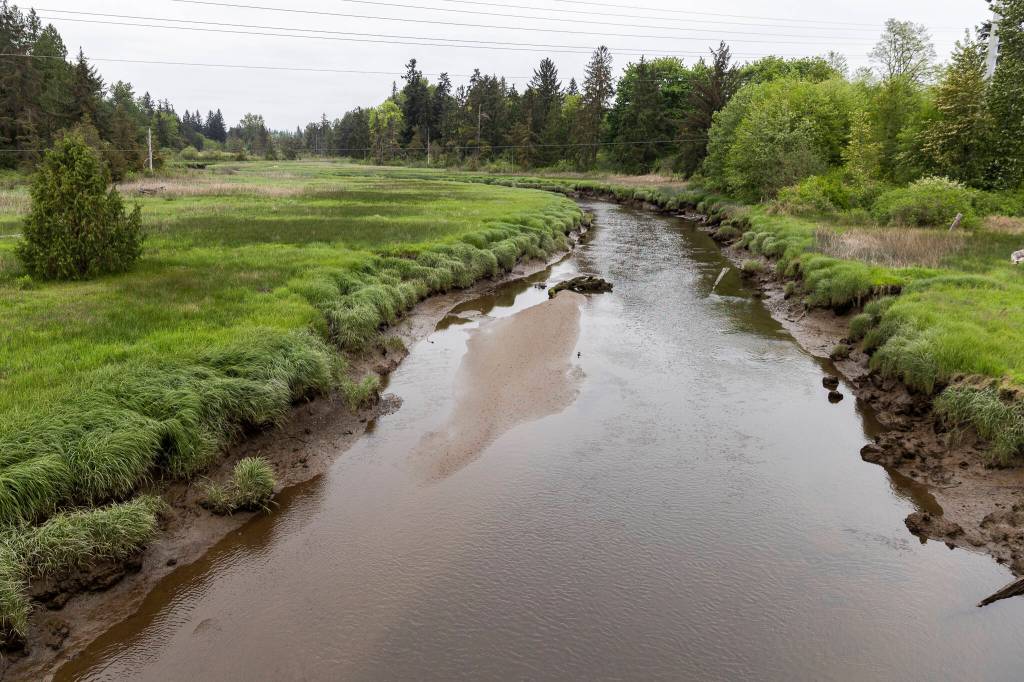
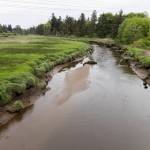
EVERETT — For decades, local groups have engaged in cleanup efforts to improve water quality in the Snohomish River.
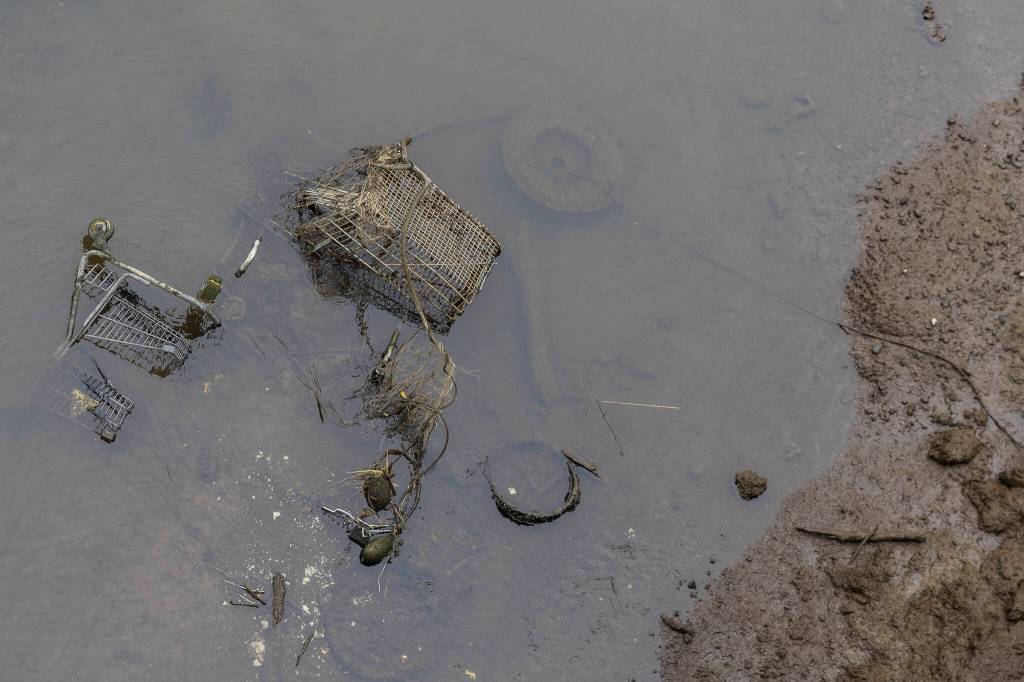
Those efforts are working — according to a recent study from the Washington Department of Ecology — but most tributaries still do not meet state targets for certain bacteria levels.
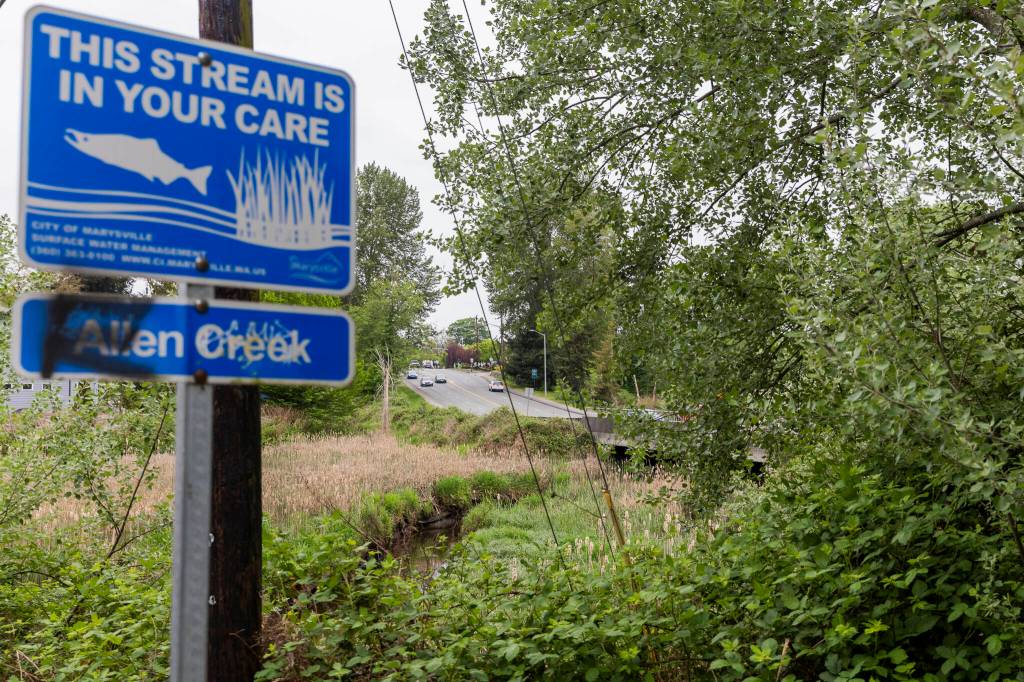
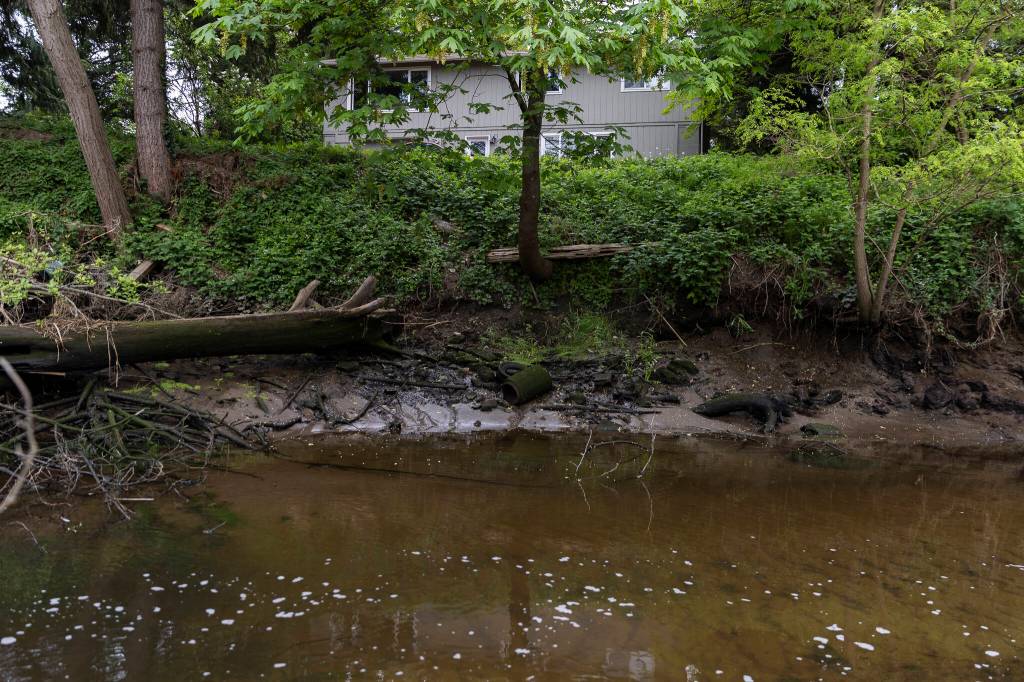
In particular, Allen Creek and Quilceda Creek carry high levels of bacteria, which could be tied to aging septic systems in the area, the study found.
High bacteria levels in waterways increase the risk of illness in humans and could threaten fish populations, said Niamh O’Rourke, the lead scientist on the study.
Low water quality is also threatening the Tulalip Tribes’ ability to harvest shellfish, said Ragina Gray, director of the Environmental Health Division of the Snohomish County Health Department.
In the 1980s, the Tulalip Tribes found high levels of a bacteria called fecal coliform in the Snohomish River. Fecal coliform, which includes E. coli, is often found in the feces of humans and other warm-blooded animals.
In response, the state conducted a study in the 1990s that led to set thresholds for fecal coliform concentrations. For the tributaries to meet state water quality standards, the amount of bacteria needs to fall below the threshold. The state also set a cleanup plan to reduce levels of the bacteria and other pollutants.
“Since that time, there was a great deal of implementation work done, water cleanup work, and our water quality program determined that this could be a good time to do what we call an effectiveness monitoring study,” O’Rourke said.
Ecology’s effectiveness monitoring team studies water quality, stream health and water cleanup efforts in watersheds throughout the state. O’Rourke collected water samples from several Snohomish River tributaries, looked at historical trends and assessed implementation work from the past 40 years.
“These studies are important because they update our knowledge,” she said. “Sometimes the data is a couple decades old, so it gives decision makers and people in the community the updated information they need to help prioritize future cleanup efforts and measure the success of what they’ve done so far.”
Of the 35 areas studied, only three met the state’s water quality standards in 2020 and 2021, the study found. However, where historical data was available, most sites either had lower levels of bacteria or no significant change since the 1990s.
Part of the study focused on changes in the area that could have contributed to the high bacteria levels. O’Rourke found clusters of older septic systems near Allen Creek and Quilceda Creek, where there was less improvement in bacteria levels.
In 1990, the county updated its septic system regulations to better protect surface and groundwater. About 85,000 properties in Snohomish County rely on septic systems, according to the health department. Of those, 53% were installed before 1990.
“As these systems age, there’s a higher chance that there could be deficiencies or minor failures, and those deficiencies could lead to potential water quality impacts,” Gray said.
For example, the Quilceda Creek watershed makes up part of the Tulalip Reservation. Currently, there are three sections of shoreline on the reservation that the state health department considers “unclassified” when it comes to shellfish harvesting. In other words, the department hasn’t classified the shellfish as being safe to consume.
The Tulalip Tribes harvest shellfish for commercial, subsistence and ceremonial purposes, such as weddings, funerals and other traditional gatherings.
“We’re really interested in making sure that the Tulalip Tribes have their ceremonial and subsistence shellfish harvest rights, also commercial shellfish rights, and in order for them to have that, the water quality needs to be sufficient to promote healthy shellfish,” Gray said.
One of the health department’s current priorities is encouraging regular septic system inspections, Gray said. State law requires most septic systems to be inspected at least once a year. Gravity systems, which include only a septic tank and drainfield, need to be inspected every three years.
The health department’s Savvy Septic program offers annual rebates for inspections, pumpings and riser installations for all Snohomish County residents with septic systems.
“What we’re trying to encourage people to think about is it’s preventative maintenance, just like preventative maintenance in your car or even going to the doctor and getting your annual physical,” Gray said. “The idea is to discover things when they are small and hopefully inexpensive to repair and to fix, because a full-on major failure of your septic system can definitely run you tens of thousands of dollars.”
In addition to keeping septic systems in good shape, individuals can also help the river’s water quality by picking up pet waste. For those with livestock, resources are available through the Snohomish Conservation District for farm planning to mitigate pollution, O’Rourke said.
Despite the high levels of bacteria at some sites, most of the sites saw consistent or improving bacteria levels, O’Rourke said. The population of the area nearly doubled from 1990 to 2020, from 140,000 people to 270,000 people, according to Census data.
“To not see bacteria levels worsening with that increase in population, we consider that a success,” she said. “That being said, more cleanup work is still needed to ensure these rivers and streams meet state standards, and those help ensure water bodies are safe for swimming and clean for fish and fish habitat and for many individuals.”
Jenna Peterson: 425-339-3486; jenna.peterson@heraldnet.com; X: @jennarpetersonn.