Amid heat wave, timely fire safety tips for hikers and campers
Published 1:30 am Sunday, June 27, 2021


Washington Trails Association
Wildfires are an unfortunate fact of life in the Pacific Northwest. But that doesn’t mean that the backcountry is automatically off-limits during summer.
Here is some advice for safely hiking in forest fire country, and how to avoid causing a catastrophic blaze yourself.
HOW TO HIKE IN A BURNED FOREST
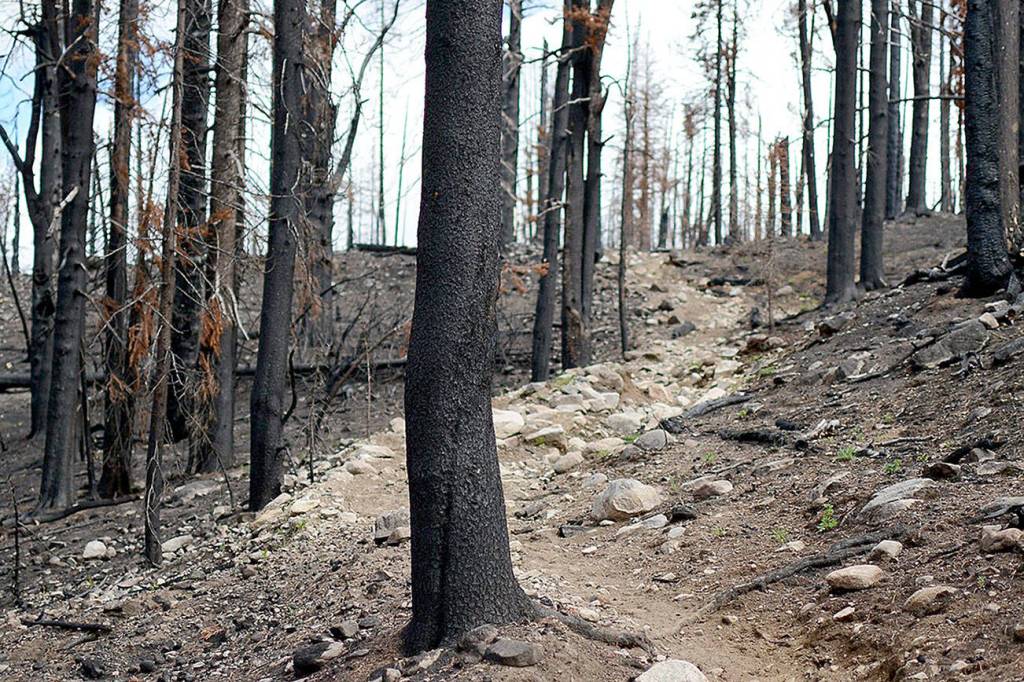
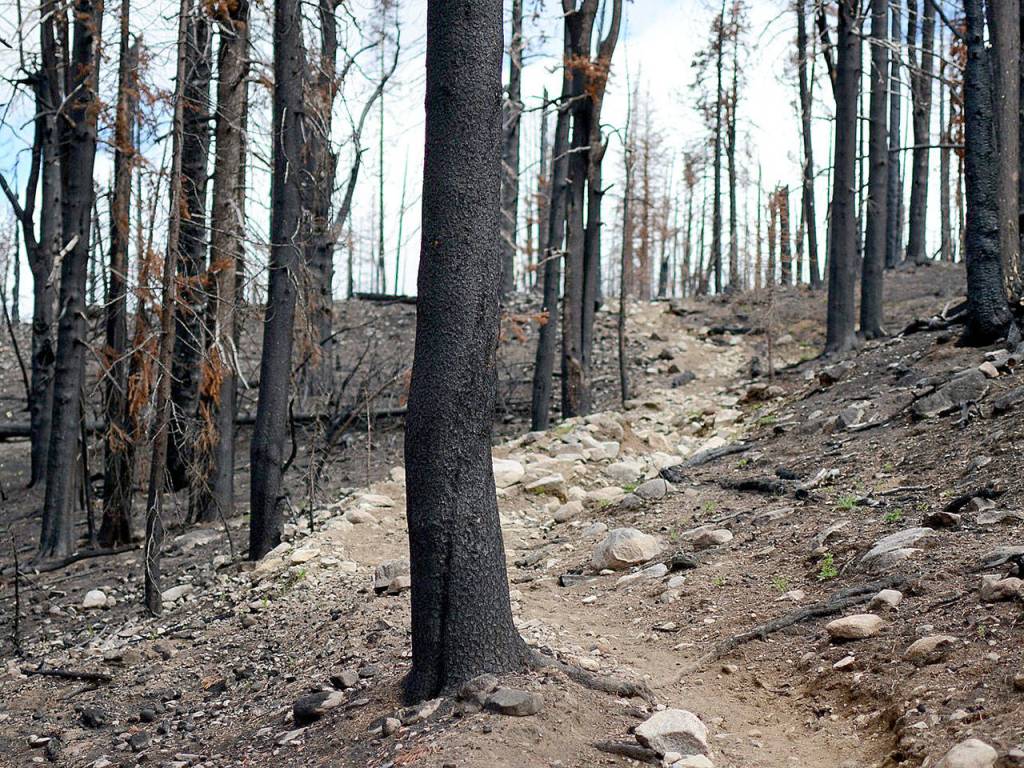
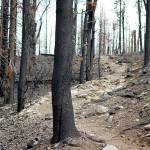
The contrast of bright-pink fireweed and fields of layered lupine against the black and silver trunks of a recently burned forest makes for excellent hiking. The flowers are a pop of color, and the charred trunks around you give an air of mystery to the scene. Plus, the lack of leaves and branches make way for big views in every direction.
But those big views do come with an added risk. Trees are an often-overlooked safety hazard, and the danger of falling trees is magnified while hiking through the site of a past burn. Trees do fall in the woods. And when it happens, you don’t want to be standing too close.
Washington Trails Association’s trail maintenance team has advice on staying safe from the hazards of falling trees or branches. Here are some of the tips and guidelines they use to keep volunteers safe in the forest.
Be alert — know when not to go
The first step to being safe in a burned forest is to be aware of the conditions that might await you on trail.
Does the forecast calls for wind speeds greater than 30 mph? Don’t go into a burned area, and have a backup plan ready.
Is a winter or rain storm event likely? Rain leads to a heightened risk of moving earth. As soil becomes saturated, it becomes easier for trees — even healthy ones — to loose their footing and fall over. Consider a backup option.
Are you sure the recreation site is open? Burns can lead to trail closures that extend beyond the duration of the fire. Check the Hiking Guide or with the land manager before you go.
Do you plan on camping in a burned area? Research the campsite to ensure it is open and clear of hazardous trees (burned or leaning trees at risk of falling in your direction).
If trail signs are missing, will you be comfortable navigating the area? Research your route ahead of time and always carry a hiking map.
On-trail tips
When hiking in higher-risk conditions, there are several things you can do to mitigate danger and keep you and your group as safe as possible.
Be constantly aware of your surroundings. Look around (and up!) and be aware of nearby dead trees, limbs or snags while on trail. If the wind picks up, stop and watch the trees overhead until the gusts die down. (Alternatively, move quickly through more hazardous spots, if safer forest is ahead or behind you.) If you stop for lunch or a rest, try to choose a clearing or an area where trees are less likely to fall. This goes for setting up a backcountry campsite, too. Engage all of your senses — listen for creaking and cracking sounds, and watch for trees shedding smaller branches.
Communicate with your team or hiking partners. Make sure your group is aware of the conditions and how they might increase risk. Our volunteer crews can be spread out over a half-mile, so our crew leaders make sure to pass the word down the line to communicate with everyone. You can do the same thing if your group hikes at different speeds. If you notice any suspicious trees or branches, or if you notice something fall, stop to let everyone in your group know.
Know when to call it a day. The safety of you and your group will always be more important the trail work being done or the viewpoint at the end of your hike. If conditions seem unsafe, know when to turn in for the day and head for home.
CAMPFIRE SAFETY
With temperatures soaring above 100 degrees and the Fourth of July weekend coming up, there’s no better time to campers to brush up on their fire safety skills.
If you’re in the backcountry, and especially during high-risk times, it’s best to avoid having a campfire altogether. Oftentimes, campfires are prohibited above a certain elevation or near certain bodies of water.
But if you are in an area without a burn ban and you must have a campfire, make sure your fire is built and put out responsibly. Here are guidelines from Gifford Pinchot and Mount Hood National Forests staff.
Building a fire
First, make sure a campfire is allowed. Check to see if there is a burn ban in your county.
Use existing fire rings where it is safe to do so. Don’t build fire rings in roads.
Make sure there are no overhanging tree branches near the fire.
If needed, scoop a small hole to mineral soil in the center of the pit. Set this material aside, and replace it in the ring when the fire is totally out before leaving the area.
Place rocks if available around pit. When finished, put the rocks back where they were found.
Keep campfire rings small, and use wood no bigger than the ring.
Enjoying a fire
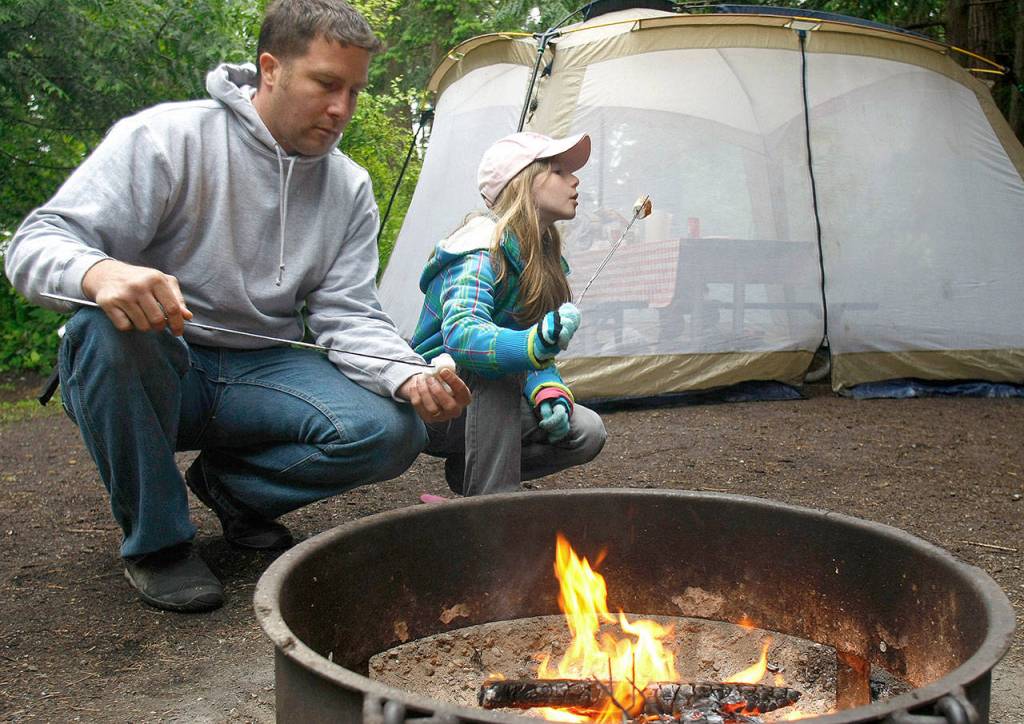
Never leave a campfire unattended.
Keep tents and other burnable materials away from the fire.
Putting it out
Fires can often creep along the ground, slowly burning roots and dead leaves. Days later, the smoldering fire could break out into a real wildfire.
When leaving, make sure your fire is dead out. Very carefully feel all sticks and charred remains. Feel the coals and ashes. Make sure no roots are smoldering.
Drown the campfire with water and stir charred material.
If it’s warm to the touch, it’s too hot to leave.