Commentary: Faith leaders needed in fight against pandemic
Published 1:30 am Sunday, April 26, 2020


By Katherine Marshall / For The Conversation
While many religious communities have embraced physical distancing measures to slow the spread of the coronavirus, some still encourage gatherings despite strong public health messages that large groups run a significant threat of disease transmission.
Some ultra-Orthodox Jewish communities in New York continue to gather for funerals, weeks after physical distancing guidelines went into effect in the city. Four Brooklyn neighborhoods with large Orthodox Jewish populations have especially high rates of coronavirus infection, according to data released in early April.
Other religious leaders are using the pulpit to spread misinformation. The evangelical pastor Kenneth Copeland, for example, claims to have cures for COVID-19. And some Hindu nationalists in India have blamed Muslims for the country’s outbreak, leading to a surge in hate crimes.
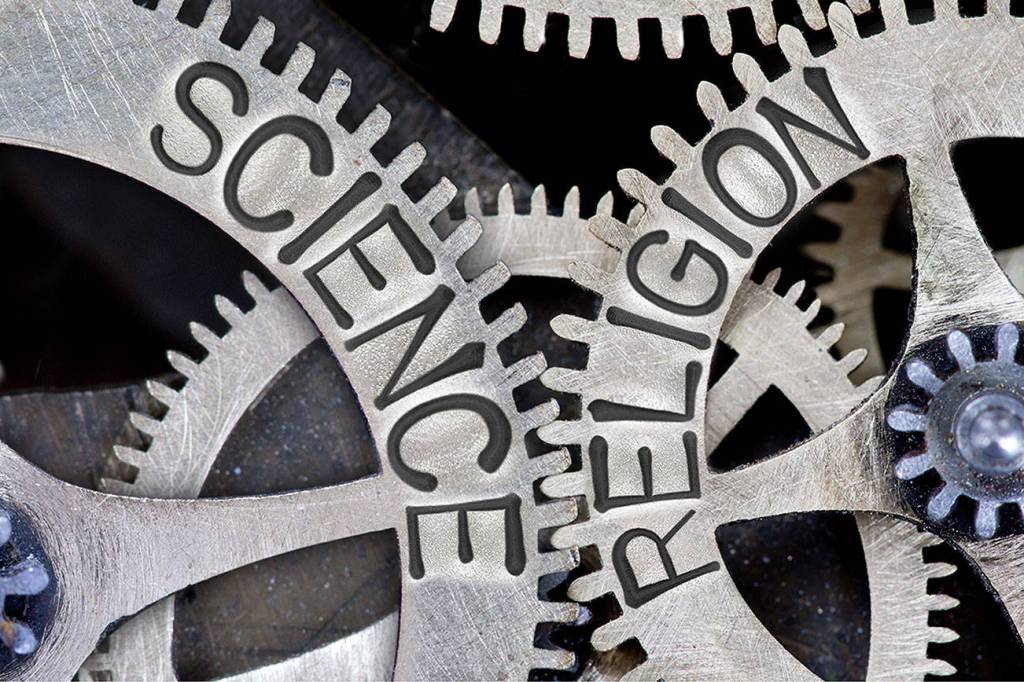
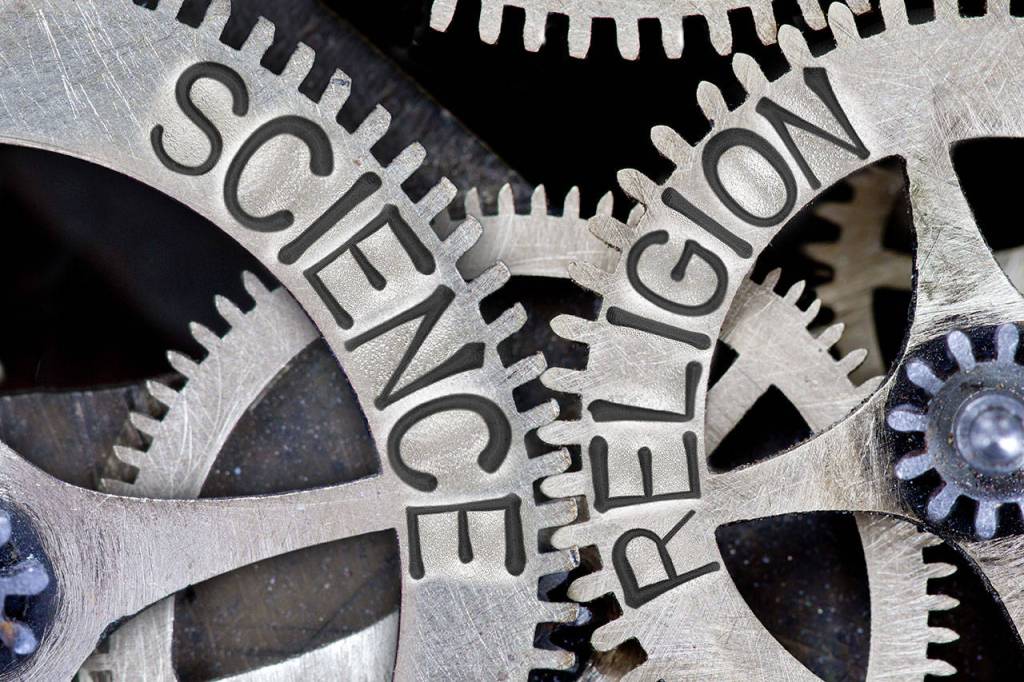
As these situations demonstrate, millions of people worldwide look more to religious authorities than health officials for guidance on how to behave and what to believe in a crisis. My research on the intersections between public health and religion suggests enlisting religious institutions worldwide will be vital in stopping the spread of coronavirus.
Connecting theology and health: Social resistance to medical intervention often drives the transmission of infectious diseases, research shows.
Studying the Ebola outbreak in West Africa, which killed over 11,000 people between 2014 and 2016, I have identified important lessons — both positive and negative — about how religious actors can help build essential bridges between faith and science to strengthen a pandemic response.
Bridging theology and science was imperative in the Ebola outbreak, when up to 60 percent of Ebola cases were linked to funerals. Traditional religious burials in West Africa, both Christian and Muslim, often involve touching and washing the body, yet contact with body fluids spread Ebola.
For the first months of the outbreak, in early 2014, government prescriptions to cremate or swiftly bury the dead sparked fears and suspicion in Liberia, Sierra Leone and Guinea; the most affected countries. Many relief workers, outsiders dressed in spacesuit-like protective outfits sent in to implement these procedures in Ebola-affected communities, were blocked from entering. Others faced violent, even deadly, physical attacks.
In late 2014, public health officials and religious leaders got together with the World Health Organization to produce a protocol for culturally sensitive burials of Ebola victims. Over 2,000 Christian and Muslim leaders were trained to conduct safe, dignified funerals in Liberia and Sierra Leone.
The burial protocol may have saved thousands of lives, according to a 2017 study published in the journal of Neglected Tropical Diseases.
Faith and trust: Among the assets that religious actors offer is trust; perhaps the most vital key in a crisis for addressing fear and misinformation.
After an initial period of doubt and confusion, when many faith leaders in West Africa understood Ebola as divine punishment for various sins or simply as fate, public health officials made a concerted effort to get religious leaders to the same tables as scientists to educate and engage them on health education.
By late 2014, faith-inspired organizations like World Vision International were organizing workshops that taught public health practices like meticulous hygiene and quarantining of people exposed to Ebola grounded in theology and scripture.
Like the burial protocol, such programs proved to be a crucial step in halting the spread of Ebola.
An equivalent intervention for COVID-19 might be a simple message focused on physical distancing, for example; framed by religious leaders in terms people can understand and accept.
Building bridges: Any COVID-19 prevention program aimed at religious communities would have to work with faith-based organizations that know local leaders and have roots in the community.
But it is difficult to build partnerships between faith and health networks not accustomed to working together.
The Ebola outbreak demonstrated that relationships between religious and health institutions in West Africa were at best patchy. Governments, international health agencies and aid groups lacked systematic knowledge about the region’s diverse religious landscape, which includes Christianity, Islam and traditional African religions. And little relevant public information was available to help them learn the ropes.
Ultimately, groups of religious leaders from various faith traditions worked through interreligious councils to help coordinate national faith responses. On the regional level, faith-inspired organizations like World Vision, Catholic Relief Services and the Tony Blair Faith Foundation leveraged their relationships with religious actors in West Africa to provide funding, supplies and training for Ebola relief workers.
The global scale of the coronavirus pandemic will make it even more challenging to launch faith-inspired public health programs today.
I am part of one such effort to begin this difficult, delicate process. On March 11, the World Faiths Development Dialogue and Berkley Center for Religion, Peace, and World Affairs at Georgetown University, where I teach, joined with the Joint Learning Initiative on Faith and Local Communities to document how faith communities are responding to COVID-19.
My project includes a digital repository to track changes to religious gatherings, beliefs and practices during the pandemic. So far, the database shows that religious communities are responding in very different ways.
Many Christian, Muslim and Jewish communities in the U.S. are providing financial as well as spiritual support for not only the ill but also those who’ve lost jobs because the outbreak. Global faith-based groups like Religions for Peace are teaming up to provide support for vulnerable children worldwide.
But other religious groups continue to spread false information to explain the disease.
Hope for the future: For health officials, figuring out which religious leaders worldwide to work with, who their constituents are and how to transmit health messages that will resonate with these communities will be tricky indeed.
But once on board, faith leaders can do more than convey health guidance: They can bring messages of hope to communities struggling with anxiety, sadness and despair.
On March 27, Pope Francis, speaking alone from the Vatican to a plaza usually filled with followers, urged Catholics to approach the pandemic through faith, not fear.
“Embracing the Lord in order to embrace hope,” he said. “That is the strength of faith, which frees us from fear.”
Katherine Marshall is a professor and senior fellow at Georgetown University. The Conversation is an independent and nonprofit source of news, analysis and commentary from academic experts. The Conversation is wholly responsible for the content.