Viewpoints: Pass the stuffing, not covid on Thanksgiving
Published 1:30 am Sunday, November 15, 2020
By Melissa Hawkins / For The Conversation
Like many people in this unusual year, I am adjusting my family’s holiday plans so that we can all be safe during the ongoing coronavirus pandemic.
I am an epidemiologist and mother of four with a large extended family. Given the serious nationwide resurgence of covid-19 infections, gatherings of family and friends over the upcoming holidays have the potential to amplify the spread of the virus. Several recent studies have further confirmed that indoor socializing at home carries a significantly higher risk of viral transmission than outdoor activities. Health officials, including Dr. Anthony Fauci, director of the National Institute of Allergy and Infectious Diseases, have warned that much of transmission this fall is happening across all age groups at small indoor gatherings.
For the past 15 years my family tradition is to travel from Washington, D.C., along with both grandparents, to sunny Florida to celebrate Thanksgiving with cousins. This year we decided to skip the travel and will have fall and winter celebrations at home.
We are not canceling the holidays, but to keep ourselves and others safe, we are keeping plans small and flexible and remembering that the health of those we love is most important as we enter the season of gratitude.
Before you gather: First, it is important that everyone who will be attending any holiday celebration is on the same page about how to take precautions before getting together. The idea is to lower infection risk in the weeks leading up to the holidays and then test to confirm.
In general, everyone should plan to be vigilant in their public health practices beforehand, especially since grandparents are at higher risk. In my family, we have agreed to limit contact with other people as much as possible the week before Thanksgiving. We have also agreed that everyone needs to be extra cautious around the few close people we see regularly.
In conjunction with quarantining, testing is the second strategy.
Research has consistently shown that people are most contagious a day or two before they show symptoms, so everyone plans to get tested with an RT-PCR test within 72 hours of Thanksgiving, while still being able to get results in hand before we gather.
If the demand for tests is high and wait times are long, we will get rapid tests. But these are a second choice, as they are less reliable and can be expensive.
Where and how to eat and socialize: No matter how careful you and your family are, there is some risk that someone will be infected. With that in mind, the goal is to reduce the conditions that lead to viral spread. The biggest risks are indoor spaces with poor ventilation, large groups and close contact. So we are planning the opposite: a short outdoor Thanksgiving with a small group and plenty of space between everyone.
To reduce the risk of infection from flying and to keep the gathering small, the only people coming to Thanksgiving at my family’s home in D.C. are my mother, my aunt and my uncle, all of whom live within driving distance. This is in addition to myself, my husband and our kids. When deciding how many people will come to the holidays, keep it small and consider the amount of space you have to maintain social distancing.
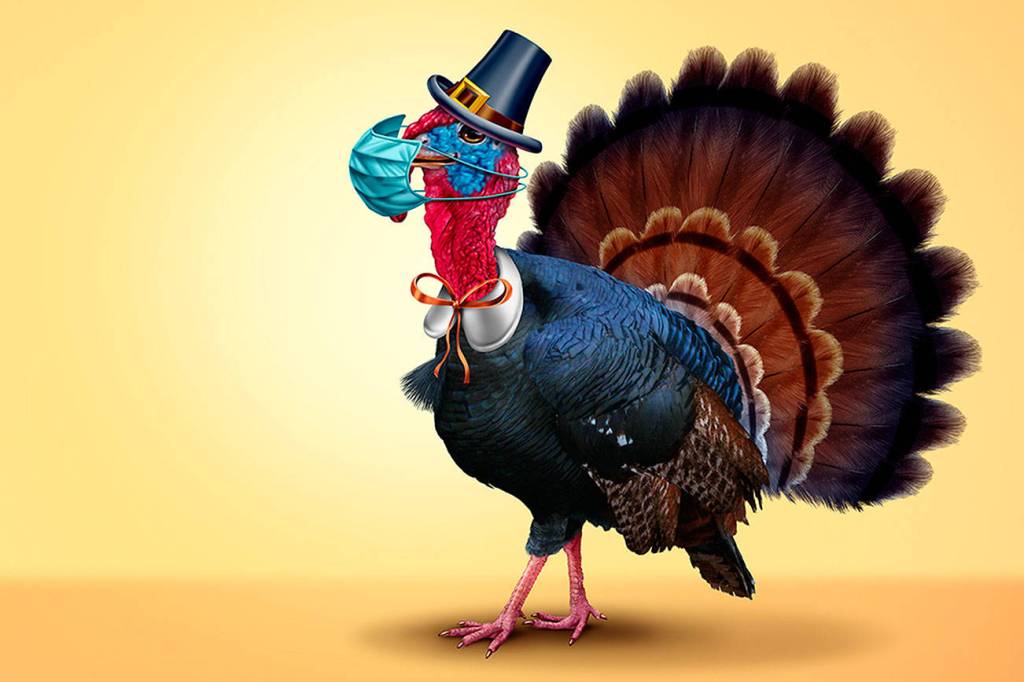
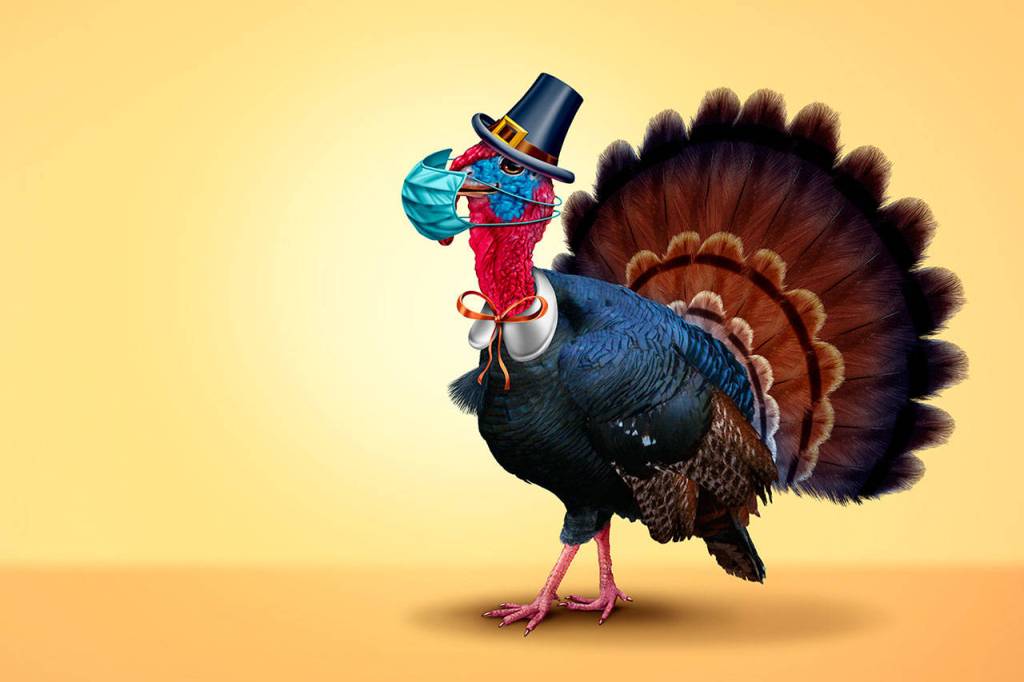
If the weather cooperates, we plan to be outside for trivia games and the turkey meal. Rather than eat around one table, we will have individual tables and place settings spaced far apart and space heaters around. I’ve got a mini care package planned for each guest so that everyone will have their own blanket, hand sanitizer, utensils and a festive mask. My mother won’t be helping out in the kitchen this year and, unfortunately, that goes for cleanup too. We won’t take a group picture but I will be sure to capture some of the special moments.
If the weather doesn’t cooperate, Plan B is to be inside in the large family room with as many windows open as possible and with everyone spaced as far apart as possible. Being outside is safer, but if you must be indoors, improve ventilation by opening doors and windows. Consider turning on exhaust fans and using an air purifier.
Everyone who lives in the household will be in one section while my mom will have her own individual area, as will my aunt and uncle. Even though we won’t hold hands before sharing the meal, we will still recite that we are “thankful for family, friends and food.”
Whether outside or inside, everyone will wear masks when they aren’t eating, maintain 6 feet of distance and use the hand sanitizer that I will place throughout the house.
It is also important to be mindful of alcohol consumption, as a pandemic is not the time for lowered inhibitions and bad judgment.
After the event: I hope everyone enjoys the meal and quality time spent with one another in this melancholy year, but the work is not done once the dishes are clean and everyone is home safely.
Everyone is planning to get another covid–19 test one week after the meal. Additionally, Thanksgiving is our family’s trial run for Christmas, so a few days after, I plan to call everyone and discuss what worked well and what didn’t. If all goes well, I hope to repeat this quarantine, test and gather process for Christmas.
The ending of 2020 deserves to be celebrated, given this difficult year. This Thanksgiving will be different from those of other years, and my kids understand they need to manage their expectations. But we still plan to uphold our tradition of writing all that we are thankful for and reading our messages aloud to one another. We will still share love, some laughs and a good meal while everyone does their part to protect one another.
Melissa Hawkins is the director of the Public Health Scholars Program in the Department of Health Studies at American University. This article is republished from The Conversation under a Creative Commons license.