Editorial: County street-level review seeks equal access for disabled
Published 1:30 am Friday, September 16, 2016


By The Herald Editorial Board
The figure is as daunting as it is shocking.
It will cost the county an estimated $1 billion to fix deficiencies that Snohomish County has now catalogued on streets, sidewalks, crosswalks and other facilities that don’t comply with the Americans with Disabilities Act. The ADA is the federal civil rights law that since 1990 has guaranteed people with disabilities the same rights, opportunities and access as all others regarding public accommodations, employment, transportation, government services and telecommunications.
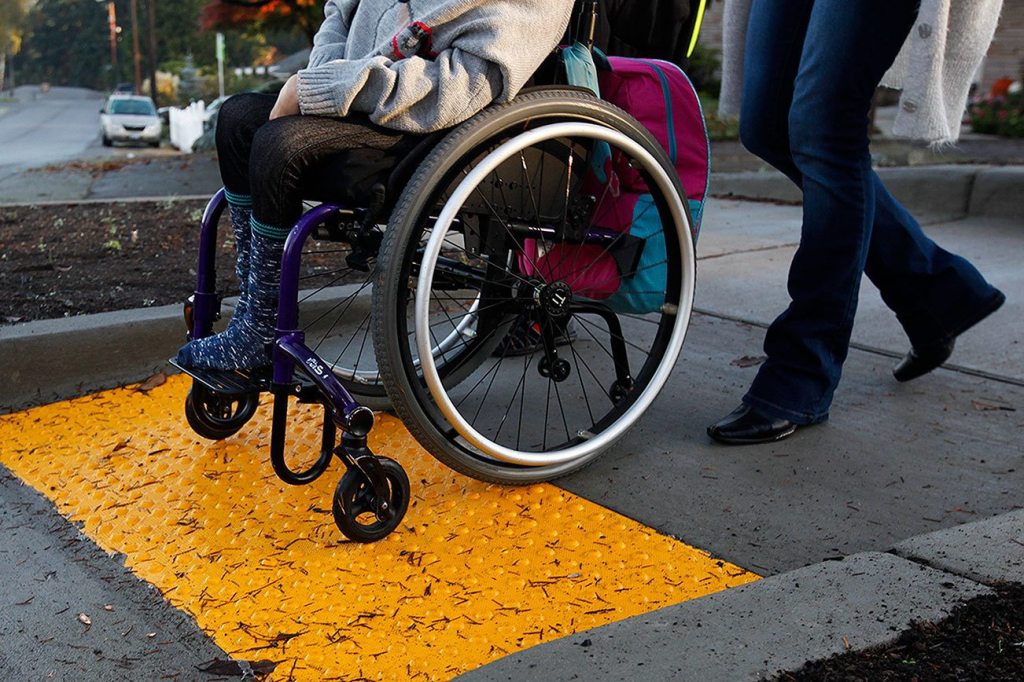
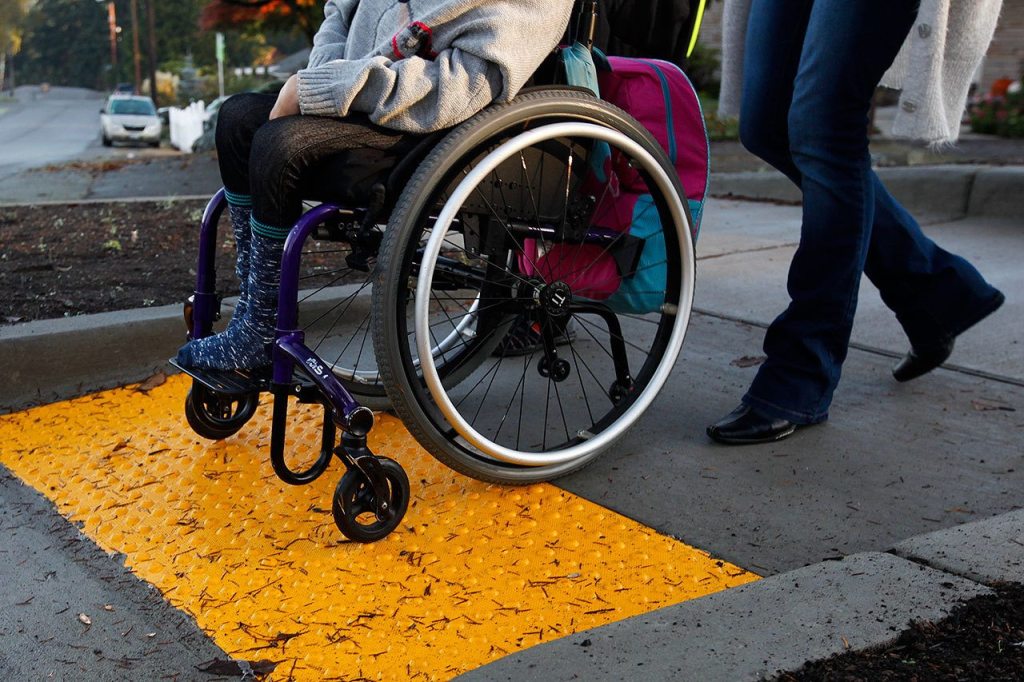
At the street level, that means facilities such as curb ramps between street and sidewalk, crosswalks and signals, accessible sidewalks and bus stops, all of which are supposed to accommodate those in wheelchairs and with other disabilities.
Following a six-year review of roads, sidewalks and intersections in the county’s unincorporated areas, a new report by the county found an overwhelming percentage of facilities were not compliant with the disabilities act, including 93 percent of curb ramps, 62 percent of sidewalks, 60 percent of signal pushbuttons and 90 percent of bus stops.
Some problems have existed before the act became law, but a large portion were built after that date and still were not built to ADA standards.
“It wasn’t what we expected,” Jim Bloodgood, a traffic engineer and the county’s ADA coordinator, told The Herald’s Noah Haglund.
The county wisely undertook the review to ensure its compliance with federal law and service to a significant part of the county’s population. An estimated 18 percent of the population, 55 million Americans, have disabilities. Those figures will increase; by 2030, more than 70 million of the baby boom generation will be 65 and older and susceptible to age-related disabilities.
Just as smart was the county’s decision not to wait until the review and report were complete to begin addressing both the deficiencies on streets and sidewalks and the problems that allowed noncompliant facilities to be built in the first place.
Since the review began in 2010, the county has built or rebuilt hundreds of curb ramps, fixed signal buttons and built miles of sidewalks to ADA standards.
The report also uncovered why facilities weren’t built to those standards, including a lack of training, little clarity and understanding of the standards, no follow-through to ensure standards had been met and no accountability to address facilities that didn’t meet standards.
To address those problems, the county has established a citizen advisory committee to advise the county’s Public Works staff, designated an ADA coordinator to investigate complaints, implemented a grievance procedure, established training for county work crews and contractors and developed guidance documents to clarify requirements where the ADA might be vague.
Those corrections are important. It will be much more affordable to build these facilities to ADA standards from the start than it will be to tear them out and do the work over.
The Public Works Department also offered a public forum Thursday night to discuss the needed improvements to sidewalks, crosswalks and bus stops and gather opinions on how to prioritize the work that will need to be done.
With $1 billion in fixes to be undertaken, the county’s ADA coordinator said it will likely take decades to complete the punchlist of deficiencies.
For a county that already is having trouble making ends meet, Snohomish County can’t risk inviting lawsuits over noncompliance with a federal law. One ADA advocacy group based in Phoenix, Arizona, the Advocates for Individuals with Disabilities Foundation, has filed more than 2,000 noncompliance lawsuits, most against businesses, and has negotiated more than 250 settlement agreements since they were formed at the start of the year.
More important than avoiding lawsuits, however, is ensuring that nearly a fifth of the county’s population has equal access to our roads, sidewalks and transit services.