Plant-based diet can help the paunch and the pocketbook
Published 1:30 am Saturday, October 1, 2016


By Kim Larson
Special to The Herald
With all the focus on sustainability and the future of our food supply, are you considering ways to make your plate more plant centered? You should be.
Moving towards a more plant-centered plate may have significant health benefits. Today I’ll explore the benefits of a more plant-focused diet and illustrate how to incorporate more plant proteins into your daily meals.
The beauty of beginning to eat more plants is that you can do it your way — gradually. Whether you want to call it semi-vegetarian (includes dairy foods, eggs, small amounts of meat, poultry, fish and seafood), pescatarian (includes dairy foods, eggs, fish and seafood but no meat or poultry), vegetarian (includes dairy foods and eggs, but no meat, poultry, fish or seafood) or vegan (no animal foods at all) the hallmark of the plant-centered plate is eating more plants and plant based proteins. That translates into eating less refined, highly processed foods and more whole foods rich in nutrients.
What are the health advantages from eating mostly plants and less meat?
According to the Adventist Health study, people who eat substantially more vegetables, whole grains, fruit, nuts, seeds and plant proteins (like soy, beans,) have lower mortality rates, lower risk factors for heart attack and stroke, lower blood pressure, less type 2 diabetes and rheumatoid arthritis, lower body mass index, and lower rates of certain cancers.
A vegetarian or vegan eating pattern also has been associated with being leaner, weighing less and having a more nutrient-rich diet — with less saturated fat. Eating more plant-based proteins is easier on the food budget as well.
So what’s the first step?
Try going meatless just one day a week. It will give you a chance to learn more about cooking with and eating plant proteins like beans, peas, lentils, chickpeas, or even soy-based products like tofu, tempeh, or edamame.
Other options include seitan, which is the protein found in wheat, or meatless crumbles or faux meats made from soy (textured vegetable protein) that copy the taste and texture of chicken, beef or pork.
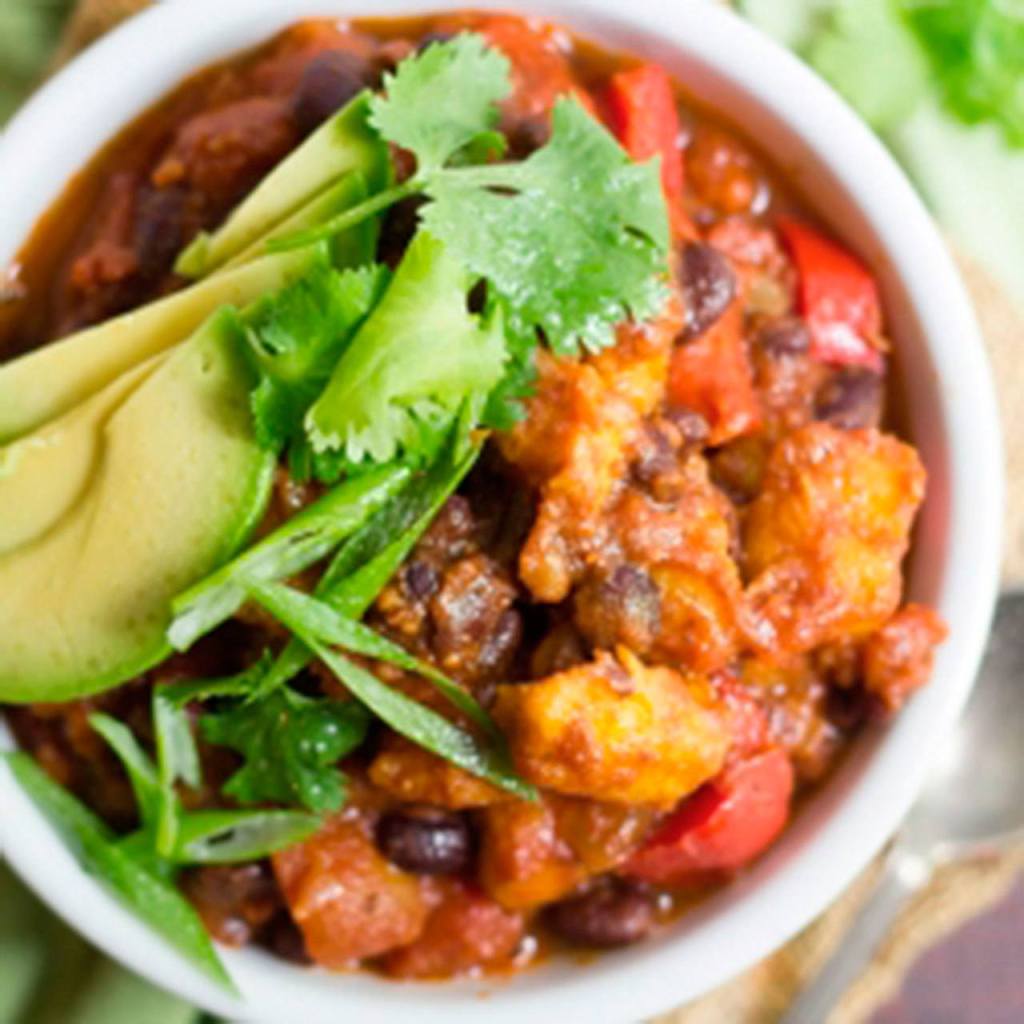
Substitute plant protein for meat protein in recipes you already love. Use beans in your chili recipe and eliminate the meat — you won’t even miss it!
Variety is the key to keeping a plant-based diet interesting and nutrient rich. Add in “nutrient boosters” like nuts and seeds (chia seeds, flaxseeds, hemp seeds) along with nutritional yeast to increase fiber, protein, vitamins and minerals. Don’t hesitate to use convenience products like canned beans or frozen vegetables and fruit. Become familiar with whole grains that are easy and quick to cook like whole wheat couscous, quinoa or bulgur.
On-line resources with recipes:
Kim Larson is a registered dietitian nutritionist, founder of Total Health, www.totalhealthrd.com, and a spokesperson for theAcademy of Nutrition &Dietetics.