Lynnwood couple experienced ‘the real Cuba’
Published 1:30 am Friday, December 2, 2016
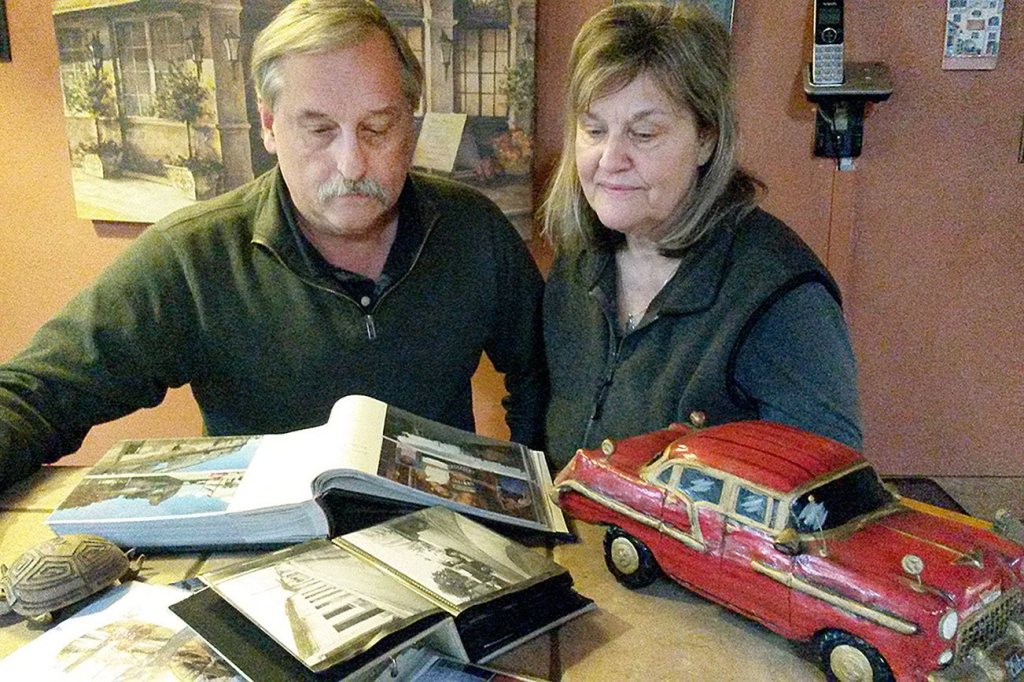
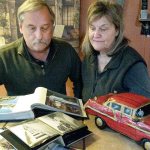
Ed and Judy Rekola don’t want to hear about the mystique of Fidel Castro. They neither mourn Cuba’s former president, who died a week ago, nor romanticize the 1950s revolution he led.
The Lynnwood couple have been to Cuba. They don’t talk much about Havana’s eye-catching architecture, posh beachfront resorts or classic cars rolling through the streets.
What Ed Rekola calls “the real Cuba” is a place of extreme poverty and little freedom, but also of incredibly gracious people.
“Everywhere I went, it just moved me so much. I’d just stand there and cry,” said Judy Rekola, who traveled from Canada when she first visited the island nation in 2000.
She has been to Cuba four times, the last trip several years ago with her husband.
They traveled with religious visas and have become friends with a woman who is pastor of a Foursquare Church in Matanzas. The city on Cuba’s northern shore is about 50 miles east of Havana. On her first trip with a mission group, Judy Rekola stayed in a hotel. They have since stayed with the pastor, and she has traveled here to stay with them.
They asked not to identify the pastor by name because of possible risks in her homeland.
“One of my friends’ mothers went to Cuba in the 1980s. She said it was the most beautiful prison you’d ever see,” said Ed Rekola, 62, who with his wife runs a home business — a day care for dogs. “The people there are incredibly nice, but they’re just in poverty. I don’t think most people know how bad off they are.”
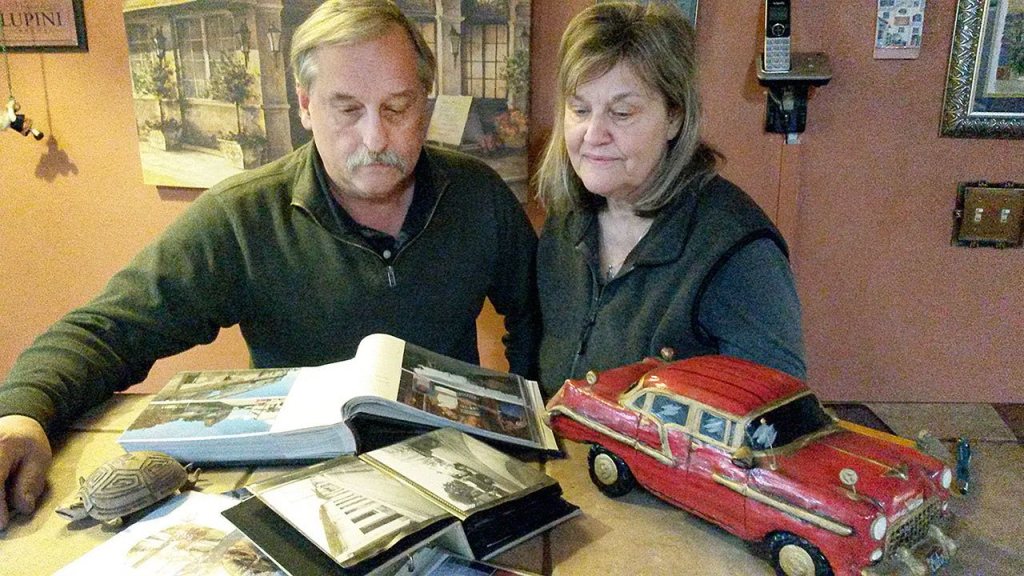
Turning pages in photo albums, they pointed out pictures of shacks with dirt floors and crumbling walls. Showing a snapshot of a gaunt mother, they said she gave what food she had to her two small children. At an open-air market, they said the only food available was a butchered pig, its pieces covered with flies.
“Buildings are collapsing, but people still live in there. If a farmer has a cow and kills it, the meat has to go to the resorts,” said Ed Rekola, adding that unless they are hotel employees, ordinary Cubans aren’t allowed on touristy properties.
They recalled ways Cubans can run afoul of the Communist government. “You can get in trouble for letting someone stay in your house, or ride in your car,” Judy Rekola said. On one trip, a host sought permission to invite her to stay, but the government’s answer was no.
From friends in Cuba, they learned that travel to the United States is allowed for some family visits but often only for one person. By leaving loved ones behind, Cubans are more likely to return.
Cubavision, the national TV broadcaster, airs old footage of Castro speaking and of the revolution, Ed Rekola said. If people try to get a radio or TV signal from Miami, they said, trucks drive past homes to bar attempts at contact with the outside world.
When the Rekolas spoke at the church in Cuba, a man from the Communist Party was in attendance. Ed Rekola said they were warned in advance: “Don’t say anything bad about Cuba, and don’t talk about America.”
Both saw Cubans getting goods through what Ed Rekola called “the underground.”
“It’s how money is exchanged. There are things you can do that the government doesn’t want you to do. They’re starving. And there’s no medicine there,” he said.
Doctors, they said, might examine someone and tell them they need antibiotics, but the patient is left to obtain the medicine through underground sources. Judy Rekola has taken suitcases filled with clothing and other supplies for Cuban people.
Those vintage American cars in Cuba are passed down through generations in families and aren’t for sale. Ed Rekola said most now run on diesel.
He learned a lot about Cubans’ conflicted feelings for their homeland on flights to and from the island. “The 737 was full of Cuban Americans going back to see relatives. When you take off from Miami and land in Cuba, the whole plane erupts in applause,” he said. “They’re in their old home. And when you land back in the United States, it’s another big round of applause.”
This week, crowds have turned out to see a motorcade carrying Castro’s ashes to Santiago, where on Saturday a public tribute will precede Sunday’s private funeral. Ed and Judy Rekola don’t embrace any hero worship of the longtime leader or acclaim for his regime
“The idea of romanticizing a place that treats its people like this, people have to know the truth,” Judy Rekola said.
Yet having seen Cuba, they can’t let go.
“We’ve been to Rome, London, Paris and Jerusalem. Cuba was the only one that took our hearts away,” Ed Rekola said. “It’s the people,” his wife added.
Julie Muhlstein: 425-339-3460; jmuhlstein@heraldnet.com.