The smog is clearing, but the reprieve might be temporary
Published 1:30 am Tuesday, August 14, 2018



By Herald staff and Associated Press
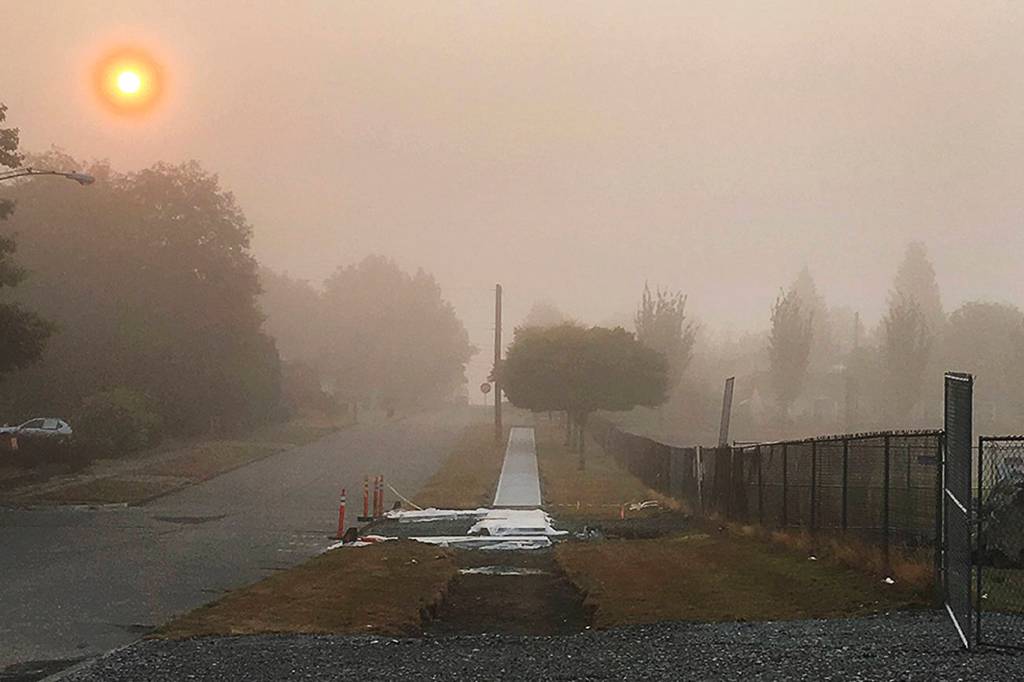
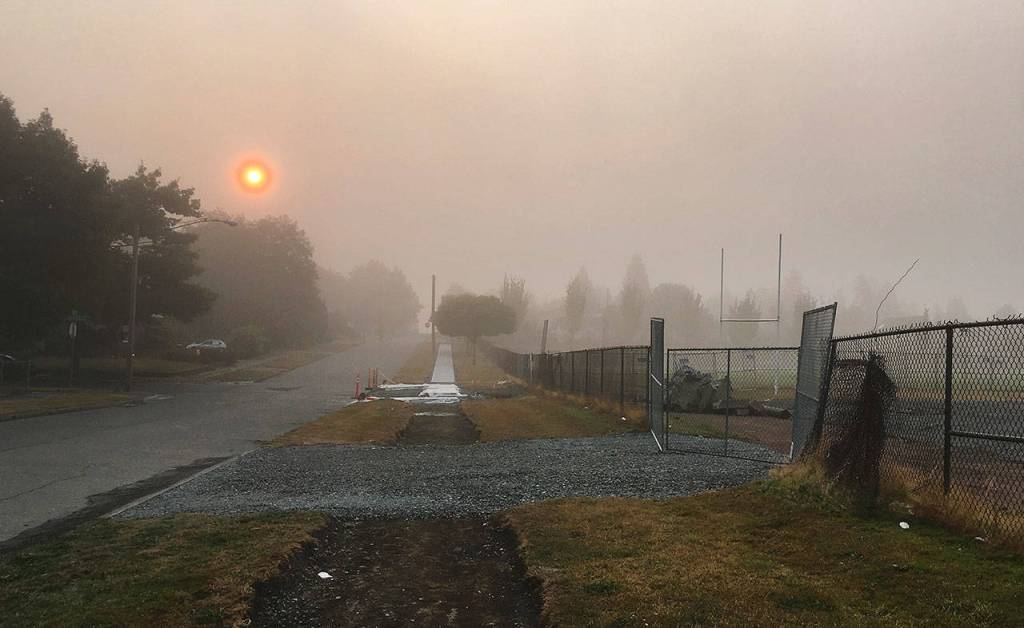
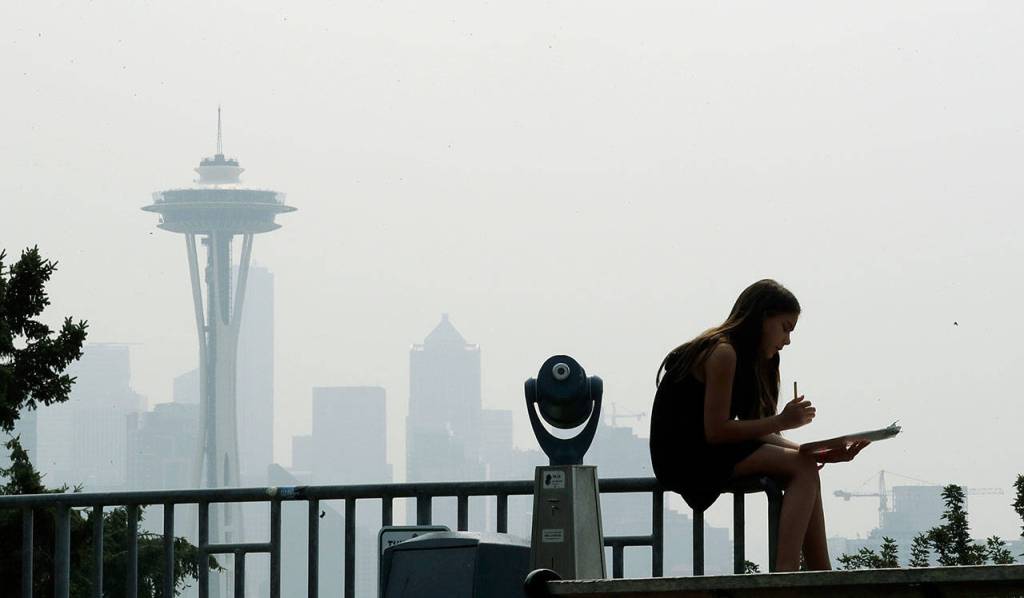
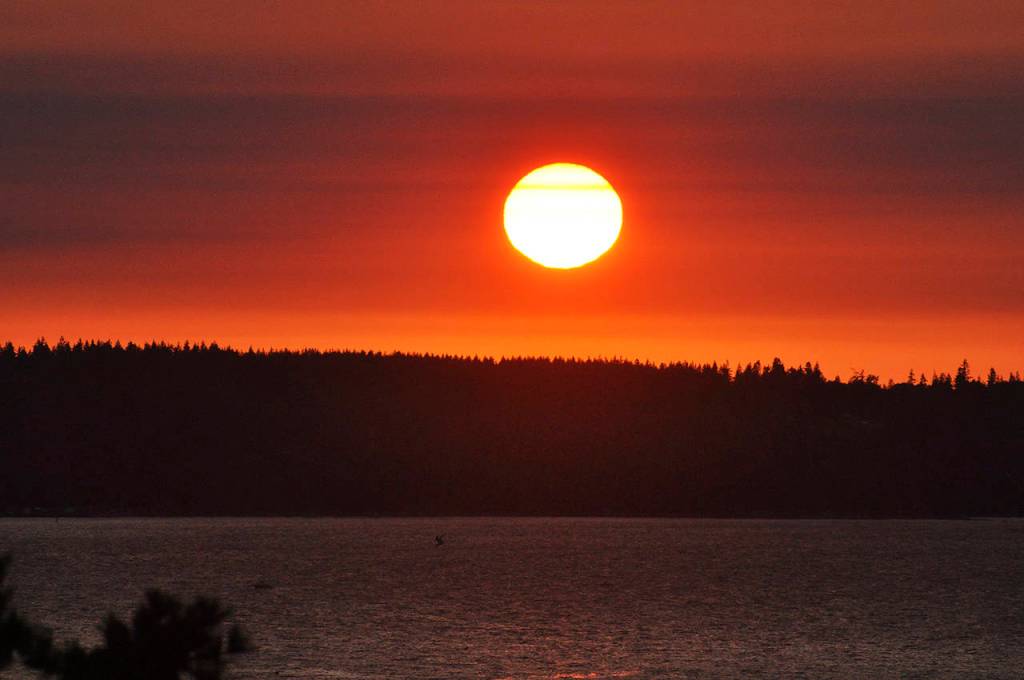
EVERETT — The smoke that has choked the Northwest for several days was expected to dissipate overnight and Thursday — in the Puget Sound region, at least — with breathing getting increasingly easy through the weekend. But forecasters said the same weather pattern that prompted this week’s unhealthful air could return next week.
Smoggy air from hundreds of wildfires in Washington, British Columbia and Oregon prompted warnings Wednesday by health officials who urged even fit people to stay indoors and avoid exertion. The Puget Sound Clean Air Agency advised against any outdoor exercise, including walking, in Snohomish, King, Pierce and Kitsap counties.
“Although we could have some clearing tonight, with so much smoke around it will likely linger through Thursday,” the agency said in a news release. People should limit outdoor activity when possible, health officials said. Smoke can irritate eyes and worsen problems for people with pre-existing conditions.
Conditions were improving Thursday, the agency said, but it still recommended that children, pregnant women and people with breathing or heart issues avoid outdoor air if possible.
Chris Burke, a forecaster for the National Weather Service in Seattle, said an onshore flow of marine air from the Pacific Ocean will gradually clear the sky here. The forecast calls for sunshine and highs in the 70s through the weekend.
But computer models foresee a return early next week of northerly and offshore winds, which suck smoke into the Puget Sound region from wildfires to the north, east and south.
If that pattern reappears, there will be more smoke here. “Those fires aren’t going anywhere,” Burke said.
Writing for his Weather and Climate blog, University of Washington atmospheric sciences Professor Cliff Mass said he’s never seen air quality so bad in Seattle.
“In central Puget Sound it is probably the worst in the nearly two-decade observing record of the Puget Sound Clean Air Agency for any time of the year,” Mass said. The worst cases of poor air quality here are usually in the winter, he said, because of woodsmoke and other combustion.
This week, Mass wrote, we had a perfect storm of sorts in Western Washington: “Lots of fires around us, a meteorological situation that pushed the smoke to low levels, and the development of an inversion that kept the smoke in place.”
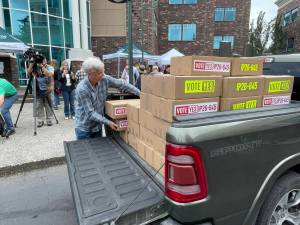
It was even worse east of the Cascades. In Chelan and Wenatchee, the air quality Wednesday reached the hazardous level, prompting Chelan County officials to distribute masks. An air quality alert for Eastern Washington and Northern Idaho is in effect until Friday morning.
According to the National Interagency Fire Center, 13 large wildfires have burned more than 211 square miles in Washington state this year, while in Oregon 10 large fires have scorched over 256 square miles. About 600 wildfires are burning across British Columbia.
The Oregon Department of Environmental Quality said Wednesday that the air quality in Portland and Medford was unhealthy.
Health officials said wildfire smoke could cause a range of health problems, including an asthma attack, breathing problems, coughing, stinging eyes, irritated sinuses, headaches, chest pain and a fast heartbeat.
Tips for coping with unhealthy air
- Stay indoors when possible.
- Limit physical activity outdoors, such as running, bicycling, physical labor and sports.
- Close windows in your home, if possible, and keep the indoor air clean. If you have an air conditioner, use the “recirculation” switch. Use an indoor air filter, if available.
- If you do not have an air conditioner, consider finding a public place with clean, air-conditioned indoor air like a public library or a community center.
- Avoid driving when possible. If you must drive, keep the windows closed. If you use the car’s fan or air conditioning, make sure the system recirculates air from inside the car; don’t pull air from outside.
- Schools, camps, sports teams, and daycare providers should consider postponing outdoor activities or moving them indoors.
Source: Puget Sound Clean Air Agency