Crime victim advocates open new office on Whidbey
Published 1:30 am Tuesday, April 2, 2019


By Jessie Stensland / Whidbey News Group
WHIDBEY ISLAND — Jonathan Moore sees advocacy for crime victims as part of a social movement.
Crime victims face bias and misunderstandings. They are overlooked. They often feel ashamed, powerless and overwhelmed.
Sometimes they don’t know where to turn.
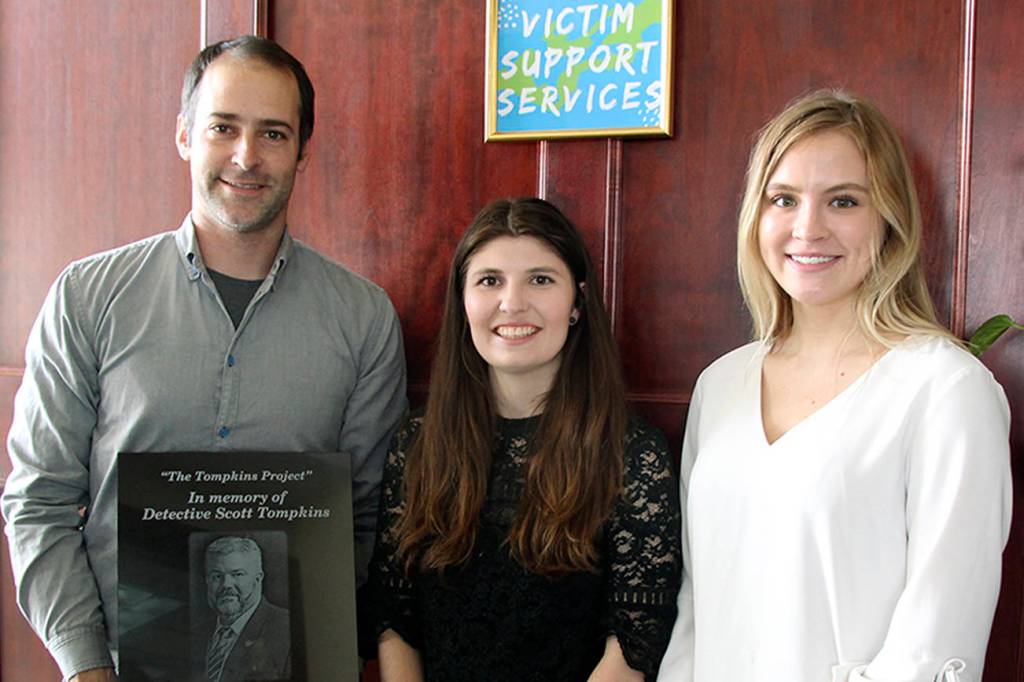
Moore is part of an organization that has been working to change that over its 40-year history. Victim Support Services serves Snohomish and Island counties, among others, and now has a physical presence on Whidbey Island for the first time, thanks to a grant.
The agency is moving into the former Skinner building in Oak Harbor at 740 SE Pioneer Way.
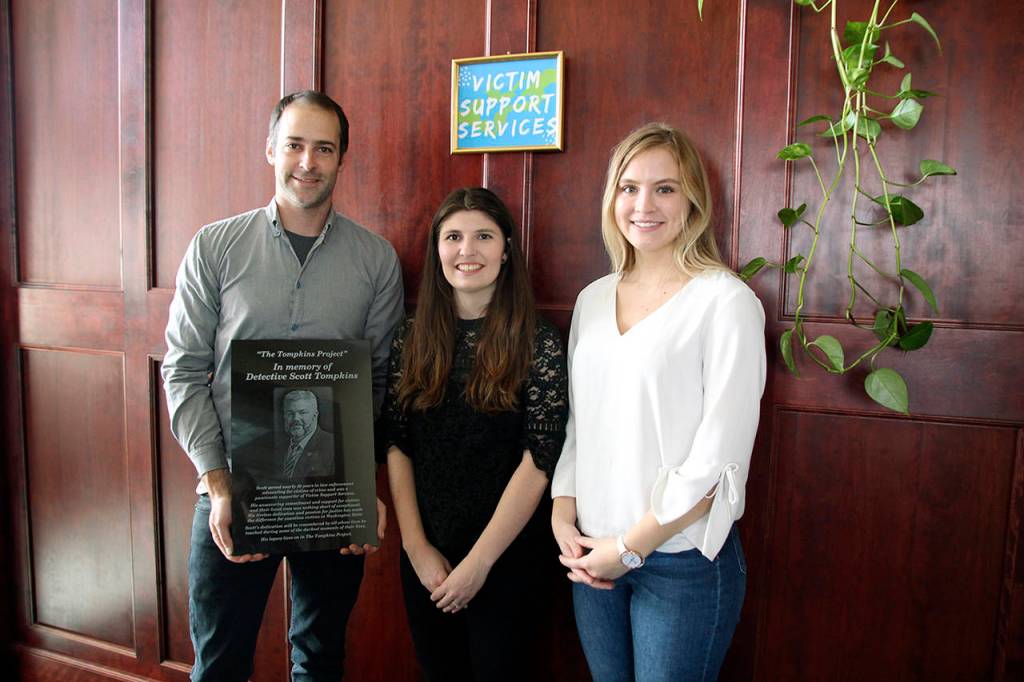
It’s called the “Tompkins Project” in memory of Scott Tompkins, a former Victim Support Services board member and supporter. He was a detective with the major crimes unit in King County and died last year.
Moore works in education and outreach.
Victim Support Services doesn’t deal with victims of sexual or domestic violence, which Moore said requires a different kind of advocacy.
On Whidbey, Citizens Against Domestic and Sexual Violence has long helped victims of those crimes.
Victim Support Services began in Snohomish County as an advocacy group for families of homicide victims, then expanded its scope over the years.
“A disproportionate number of calls we receive are about identity theft,” he said.
Island County Prosecutor Greg Banks said he’s welcomed the group’s help because the advocates can do a lot of things that his office cannot. He said some people consider his victim witness coordinator an advocate, but she’s really not.
“Her job has some overlap,” he said, “but she can’t really advocate the way they can.”
Unlike the government office, the nonprofit group can help victims of crimes that are not reported, victims of crimes from the past and people who are not considered the primary victim.
The job of an advocate is complicated and not well understood by the public, Moore said. It can take some detective work to determine what people need and to find that help. It might mean a referral to another agency, assistance with filling out paperwork, transportation to an appointment, calm advice and many other kinds of care.
“We’re there to listen and provide any support we can,” Moore said. “Our institutional knowledge is pretty vast.”
A victim of an assault, for example, might not be able to go to work or pay medical bills. That might lead to loss of a job or a home, as well as emotional problems.
Advocates can point that person to the state’s compensation program, Moore said. They might write a letter to the employer and landlord to explain the problem and the law. They might refer the victim to a counselor.
For Moore, crime victim advocacy is about civil rights. A lot has been accomplished over the years. In Washington, victims have certain protections, including the right to be advised when a perpetrator has a court hearing and to tell a judge how a crime affected them.
Moore grew up in Snohomish County. He later worked as a legal representative for unaccompanied and asylum-seeking children in Egypt and as an unarmed civilian peacekeeper in South Sudan.
He returned home, he said, to apply the lessons he learned to continue fighting for human rights.
This story originally appeared in the South Whidbey Record, a sibling paper of The Daily Herald.