Snohomish County Health Department releases 5-year plan
Published 12:50 pm Friday, December 26, 2025
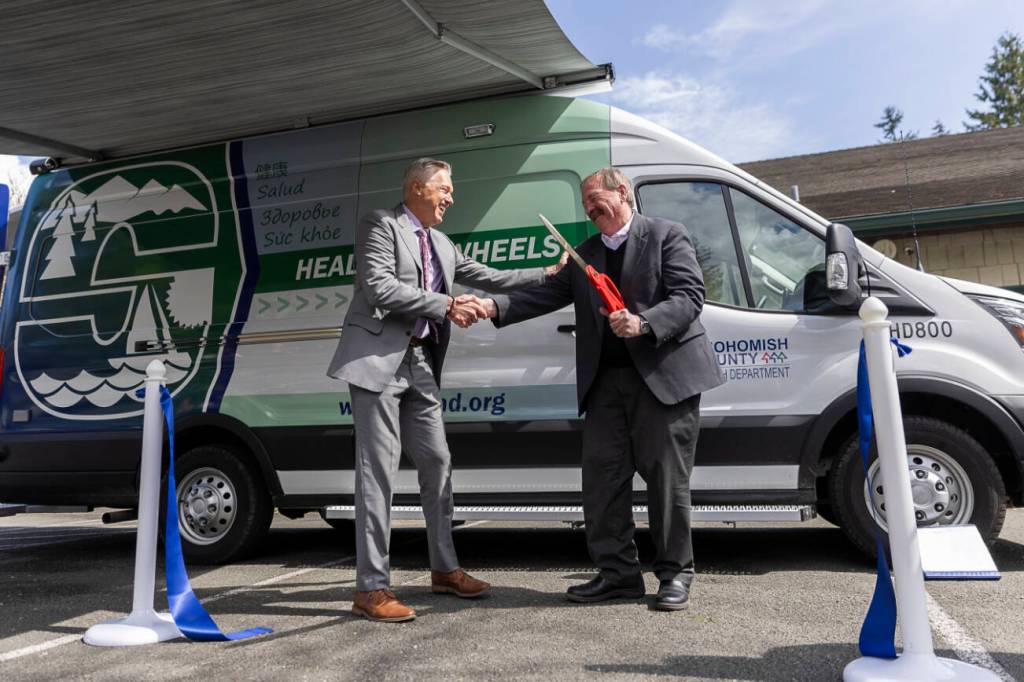
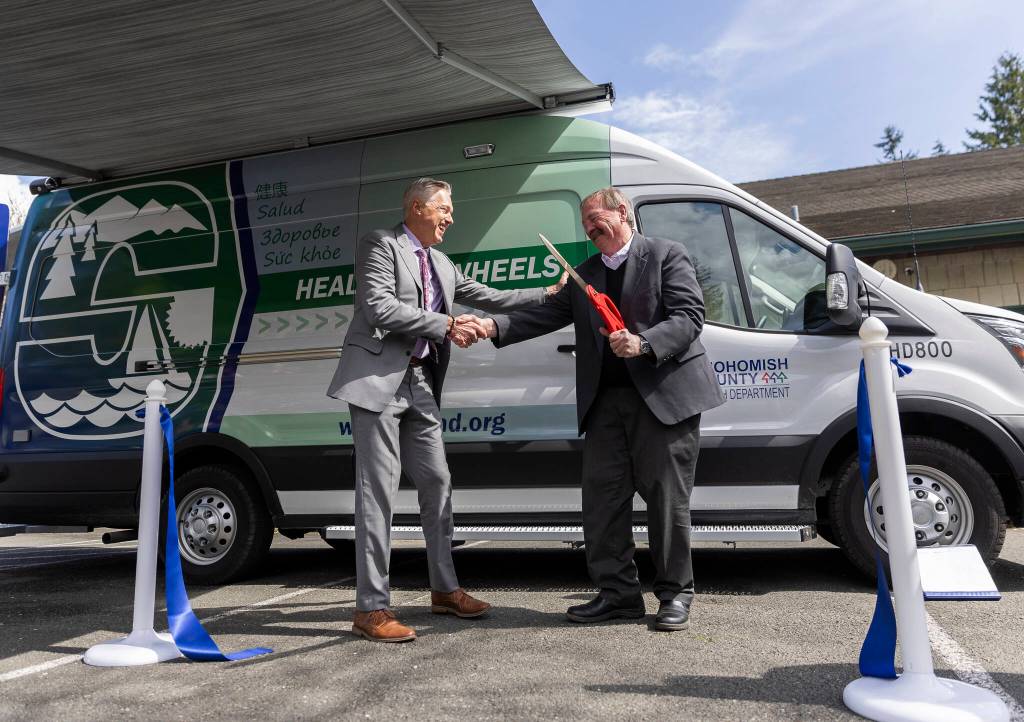


EVERETT — The Snohomish County Health Department released a new 5-year strategic plan on Monday, setting goals to increase vaccination rates and monitor potential pollutants in local water.
“It’s the first time we’ve had a comprehensive strategic plan with measurable goals attached to it that will provide accountability and allow us to show the impact of our work,” Snohomish County Health Officer James Lewis wrote in a press release. “The community will be able to see if we’re meeting our goals and, if not, why.”
The primary goals outlined in the plan relate to reducing infectious disease and protecting water quality. One goal listed in the plan is that by 2029, 90% of children entering kindergarten will receive all of their recommended vaccines, and that 65% of adults over the age of 65 will receive an annual flu vaccine. Currently, 89% of children entering kindergarten receive their recommended vaccines and 56% of adults over 65 receive annual flu shots, according to a health department release.
The importance of youth vaccination remains high as a measles outbreak continues to spread across the United States, mostly in unvaccinated people. Across the country, there have been almost 2,000 measles cases and three confirmed deaths from the contagious disease in 2025, according to Centers for Disease Control data. More than 90% of those cases were among people who were unvaccinated.
In 2025, two individuals in Snohomish County had confirmed cases of measles, according to the health department. Both did not have confirmed vaccinations.
During a panel in August, Lewis said that immunization rates in Washington have seen a steady decrease since 2019. Rates of Measles, Mumps and Rubella vaccinations in the state peaked at 94.4% in the 2020-21 school year, dropping to 90.9% by 2024-25.
Another goal listed in the plan is to get more information about the status of septic systems in a number of areas near the shoreline of the Tulalip Reservation, which could allow the Tribes and commercial fishers to harvest shellfish there.
Currently, three areas where shellfish grow off the coast of the reservation are “unclassified” by the Washington State Department of Health, meaning that health standards have not been evaluated there, and commercial harvesting of the shellfish is not allowed, the Snohomish County Health Department wrote in the release.
The primary reason for that lack of classification is incomplete records regarding the installation and maintenance of septic systems near the shoreline, according to Hailey Fagerness, a Healthy Communities Specialist at the health department. As septic systems can be a source of pollution, missing records regarding the effectiveness of the systems makes it harder to confirm that shellfish beds are safe from septic-related pollutants, the department wrote.
Shellfish are filter feeders, meaning they obtain their food by filtering organic matter or tiny organisms from water that passes through them. Some shellfish, like mussels, are even used by scientists to monitor the presence of pollutants in water because they retain contaminants in their tissues for longer periods of time compared to fish, according to the Washington Department of Fish and Wildlife.
By working with the Tulalip Tribes to increase septic monitoring and maintenance to make sure the systems are functioning properly, commercial and Tribal subsistence harvests could be approved once health officials confirm there are no public health hazards, the department wrote. The strategic plan outlines a goal of authorizing shellfish harvest in at least one of the three areas where shellfish grow along the shoreline of the Tulalip Reservation by 2030.
The planning document also lays out goals related to emergency preparedness, maintaining a balanced budget and streamlining the department’s policies and procedures.
Will Geschke: 425-339-3443; william.geschke@heraldnet.com; X: @willgeschke.