Mountlake Terrace discusses options for closing budget gap
Published 11:28 am Friday, April 10, 2026
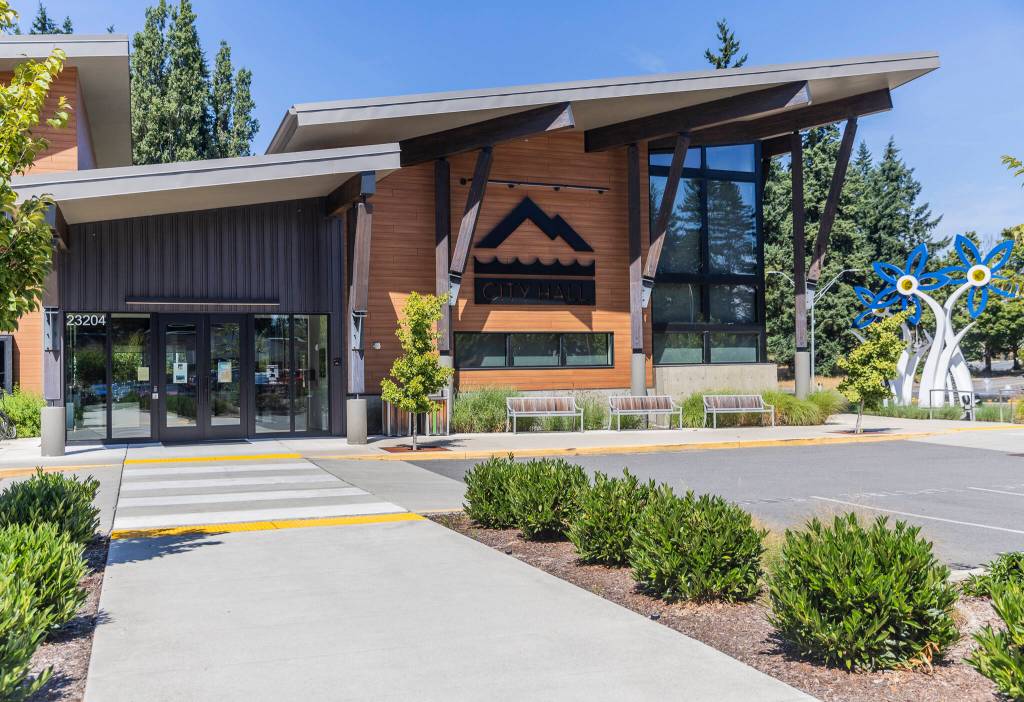
EVERETT — The Mountlake Terrace City Council heard alternative options from staff Thursday about how to close the city’s budget gap.
The city estimates an average budget gap of $4.2 million per year through 2030, according to city staff. Through 2035, the average projected gap is $5.4 million. In 2027, the city’s reserves are projected to drop below the minimum threshold required by its financial policy.
In February, the Fiscal Sustainability Task Force presented the council with two proposals for closing the gap. Both options included establishing a metropolitan parks district, implementing a transportation benefit district sales tax, reevaluating general fund reimbursements, reducing software subscriptions, eliminating historical savings, reducing expenditures by 5% and raising rates for fleet maintenance services. The adjustments would add an estimated $4.27 million annually to the general fund.
To come up with an additional $2.47 million in savings, one option was to raise property taxes to the city’s full banked capacity. In 2023, the city decided not to raise property taxes to the highest lawful amount because it anticipated higher property taxes from annexing into South County Fire, City Manager Jeff Niten said Thursday. As a result, the city has $2.47 million in banked capacity, and it can legally raise property taxes to collect that amount.
Using the full banked capacity would add an estimated $142 per year to the average homeowner’s property tax bill. The average home in Mountlake Terrace is valued at $591,400, Niten said.
Another option was to raise property taxes to 75% of its banked capacity, which is $1.8 million, raising property taxes by $97 per year for the average homeowner. The remaining savings would come from eliminating a police commander and increasing vehicle license fees from $20 to $40.
Niten proposed additional options Thursday based on feedback from council members. Alternative sources of revenue could include a vehicle license fee increase, a property tax levy lid lift, increasing parks and recreation fees, and transferring some real estate excise tax revenue to the operating fund.
A property tax levy lid lift would go toward recreation and parks, transportation, and safety. Niten proposed two levy options: a $2.3 million levy in 2029 or a $1.5 million levy in 2028. The $2.3 million levy would raise property taxes by $266 per year for the average homeowner. The $1.5 million levy would raise taxes by $171 per year for the average homeowner. Those increases would likely be in addition to the increases from raising taxes to the city’s banked capacity.
Some council members preferred a levy over asking voters to form a metropolitan parks district. A parks district would allow the city to collect additional property taxes for parks and recreation and requires voter approval. A parks district would generate about $2.15 million in revenue.
“It seems like a short-term solution,” council member Sam Doyle said. “Yes, it would solve the problem now, but I want a more regional approach for the city, and I think it would be hard to go from city to regional. That seems like an awkward transition.”
Council member Laura Sonmore said she was concerned about raising costs on residents without providing more services.
“How am I going to get money out of a citizen that doesn’t have the money, and I don’t want to force somebody out of their home?” she said. “All I see is ‘We need more.’ Well, what are we doing with less? Because our citizens aren’t getting a lot more for their money, they’re just having to pay more, so I was expecting to see more cuts.”
Mountlake Terrace Mayor Steve Woodard said that any budget plan the council decides on is about maintaining current services.
“This is about maintaining what we have as a minimum, or we would go into the negative, but not a single positive half-point up,” Woodard said. “It’s either zero or negative. … I can’t think of a single city in the state of Washington that is talking about growth.”
Snohomish County offers property tax exemptions and deferrals for seniors and people with disabilities making $68,000 or less per year. Some council members said they would rather raise property taxes than implement a transportation benefit district sales tax.
“There’s some options for folks who do have limited income to be less impacted by that decision than the sales tax, which is universally applied across all of our residents, and it tends to be applied more heavily in terms of total income for folks who are lower income earners, and so I think that’s an important thing to note,” council member Erin Murray said.
The council will hear more information about potential fee increases April 23. The council is scheduled to vote on a budget plan May 7. There will be opportunities for public comment at both meetings.
Jenna Peterson: 425-339-3486; jenna.peterson@heraldnet.com; X: @jennarpetersonn.