Sound Transit must exhaust every option to keep light rail on track
Published 1:30 am Monday, April 13, 2026
Kirk Hovenkotter and Brock Howell
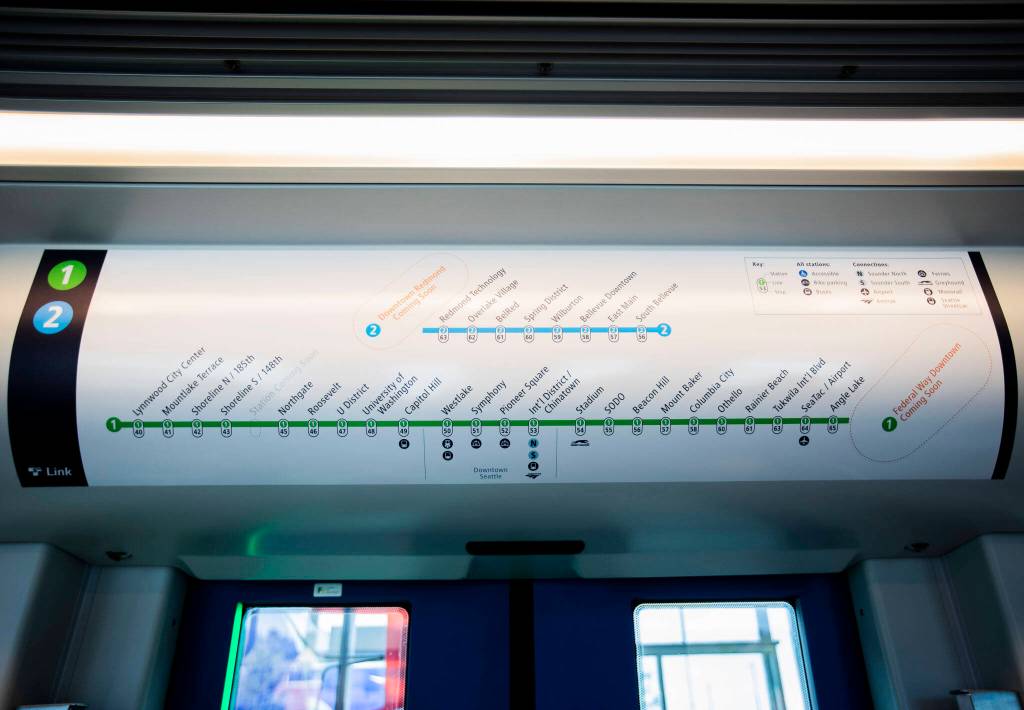
When voters in Snohomish County approved Sound Transit 3 in 2016, they were making a considered, long-term investment in their own future. The Everett Link Extension would add 16 miles of light rail and six new stations, connecting communities from Lynnwood through unincorporated Snohomish County to Everett Station, and from there to Seattle, Sea-Tac International Airport, the Eastside, and eventually south to Tacoma. For workers commuting to Boeing’s Everett plant, the healthcare workers at Providence Regional Medical Center, the thousands employed across the Southwest Everett Industrial Center, and the residents of Mariner, Ash Way, and Evergreen, this was a promise that their county would finally have the regional transit connection it had long needed.
That promise is now in jeopardy.
The Sound Transit board is under pressure to scale back, delay, or cut the projects voters approved in ST3. Sound Transit has disclosed that the 25-year cost of building, operating, and financing its light rail network has grown from $150 billion to roughly $180 billion. In addition to the compounding effects of past Board decisions to delay light rail to the present, construction inflation, supply chain disruption, and tariffs have driven up costs for the agency. What matters now is how the board can break the cycle of deferral, costs rise, deferral, costs rise.
The stakes for Snohomish County are significant. I-5 morning drivers from Everett to Seattle have needed up to 94 minutes to reliably make the 24-mile trip on time, and this commute could worsen as Snohomish County grows. The Southwest Everett Industrial Center alone accounts for roughly 40,000 jobs, most of them accessible today only by car. Everett Link would connect those workers to the regional network with trains arriving every four to six minutes during peak hours, making the trip from Everett to downtown Seattle in around 60 minutes.
The history here is instructive. During the dot-com bust and the Great Recession, Sound Transit scaled back its ambitions. Those decisions cost this region years of progress and left communities waiting longer than they should have for connections that were already overdue. The board should weigh that history carefully before choosing a similar path today.
There are responsible alternatives. Sound Transit has already demonstrated, through the West Seattle extension, that advanced engineering and design work can identify meaningful cost savings before projects are locked in. The same discipline should be applied across the ST3 program. Station designs can be simplified. Parking garages, which carry enormous costs and serve a fraction of riders, deserve serious reexamination. The agency has untapped revenue tools available, including the rental car tax, value capture from agency-owned properties, and bonding authority that the state legislature could expand.
Service on Everett Link is projected to begin between 2037 and 2041. That timeline is already long, and every year of delay makes the project even more expensive to deliver. Snohomish County voters approved ST3 with the expectation that the system would be built. Before the board considers restructuring that commitment for the next 25 years, it owes those voters a serious effort to find every dollar available and eliminate every unnecessary cost.
On Tuesday, April 14, Transportation Choices Coalition and Snotrac are hosting a public town hall at Everett Station where residents can hear from Snohomish County Executive Dave Somers and Everett Mayor Cassie Franklin and ask questions about what comes next for light rail. These are decisions that will shape this region for decades, and this town hall is an opportunity to hear directly from the people making them.
Kirk Hovenkotter is Executive Director of Transportation Choices Coalition, a nonprofit advocacy organization that has led campaigns to expand light rail in the Puget Sound region since 1996. Learn more at transportationchoices.org.
Brock Howell is Executive Director of the Snohomish County Transportation Coalition (Snotrac), which advocates for improvement in transportation service and solutions through community engagement, coordination of resources, and strategic partnerships. Learn more at https://www.gosnotrac.org/