The Golfing Gardener: Clematis – The Queen of Vines
Published 1:30 am Tuesday, May 5, 2026
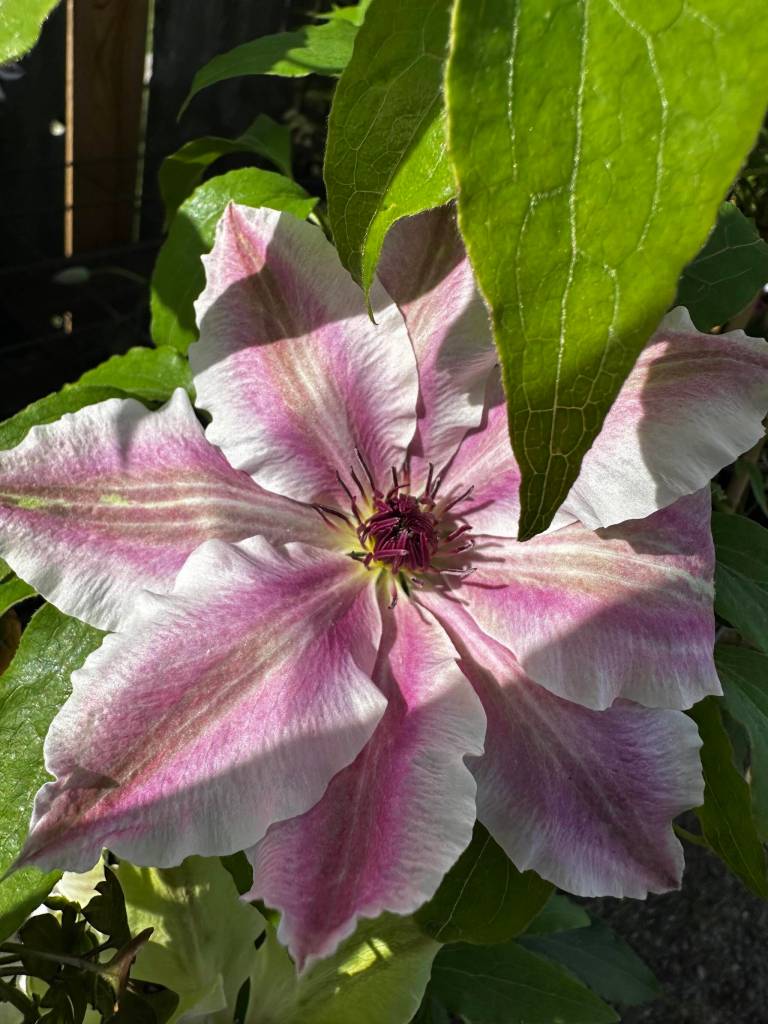
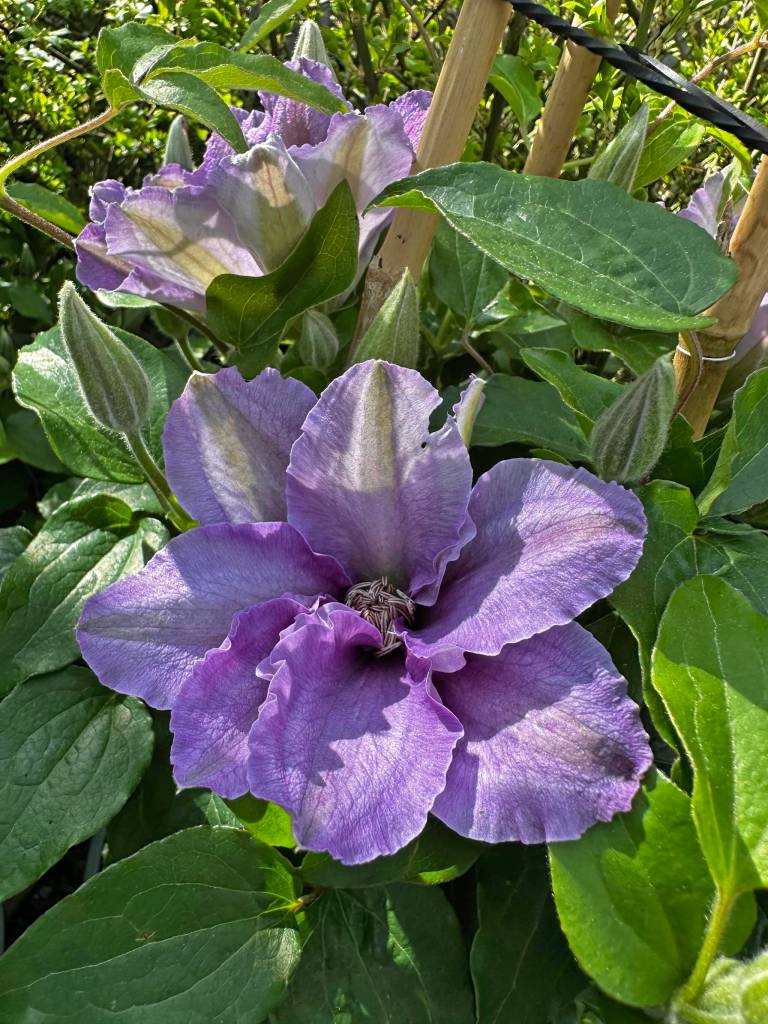
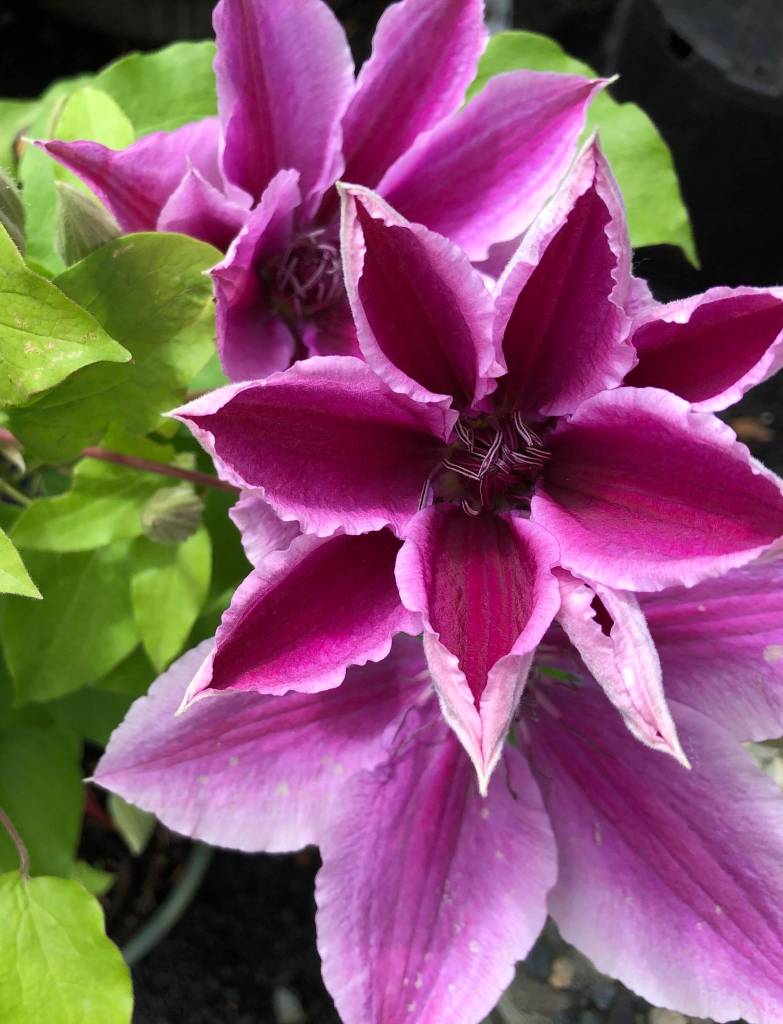


It is always fun to go vertical with climbing plants each spring, in particular the vine we call Clematis. This special plant thrives in our local gardens, providing superior flower power each spring and summer. The many varieties of Clematis available offer multitudes of flower sizes, colors and habits to catch any gardener’s fancy, as choice is always paramount with these lovely vines. There are some 350 species of Clematis named across the globe, many of which are excellent in our area. What gardeners really seem to crave though are the hybrids and cultivars – literally thousands that have been named over the decades. Whether you are seeking an old-school variety like ‘Nelly Moser’ or a newer flavor like ‘Fragrant Star’, this is the time of year to find maximum selection.
When it comes to Clematis, I would keep one main thing top of mind… drainage. Clematis must have a nice well-drained location to establish extensive roots. When selecting a suitable site, make sure there is no clay or hardpan under your plant – not just 12-inches down, but more like 24 to 30-inches down. Be sure to amend with copious amounts of compost to create a rich location for your new treasure. During our wet winters if water accumulates in pockets or basins of clay, many plants (including Clematis) will perish from rot. In the world of Clematis this is called “Clematis Wilt”, a problem I have fought a few times as I am sure many of you have as well. Proper soil is the key (like with all plants!), but also make sure they have adequate sun and air circulation. I have also found that mulch at the base helps since Clematis love to have hot tops and cool roots. I am hoping that you can see a trend here with these vines, well-drained but moist soil and a robust root system are absolutely vital to success.
Another major topic that needs to be grasped with the “Queen of Vines” is pruning. You have heard me describe many plants over the years and with pruning I always try to mention old versus new wood bloom. That discussion is perfectly suited for Clematis as well, as some bloom on old wood, some on new, and others on both types. Understanding this with allow you to properly prune yours each season. I cannot speak for all of the local nurseries, but here at Sunnyside Nursery we try to make life easy and carry those that bloom on both kinds of wood. Old wood bloomers need to be left alone a bit more each spring, while the new wood bloomers could be cut back. Old wood bloom occurs in May and June, and then new wood flowering commences in August and September on most. Established plants can be cut back to around 3-feet of wood each March, allowing for some old wood flowering to continue but yet still managing the size of your vine a bit – we do need to tell vines to behave to some extent! I would recommend always noting which flavor of Clematis you have planted so that the right pruning battle plan can be accomplished each year.
Like with many perennial-type plants, give Clematis some time to get going. It is often said that the first two years in the ground they tend to sleep and then creep, establishing a healthy root system first and foremost. Then the third year they leap, which is what we all are looking for! I always, without fail, feed my various Clematis each March and June using an organic rose and flower-type granular food containing alfalfa. This will help them get established when young, and then allow them to thrive season after season in terms of both growth and maximum flower power. Applying this food around the crown and then covering it with compost or mulch is the perfect way to go. You also hear me time and time again proclaiming to not bury plants too deep, but with Clematis, ignore my advice as I would be sure to always plant the vine a couple of inches deeper in the soil than it has been growing in the container. I mentioned Clematis Wilt above, a disease that will cause decline and is hard to spray for. It affects stems and foliage but NOT the roots. This is yet another reason to plant a little deeper, as tops may whither but they can be cut off and cleaned up, often allowing the plant to start over again from the root system. This saved my ‘Fragrant Star’ last year and it is back with a vengeance, looking lovely now in 2026.
Going vertical is fun in the garden and I encourage you to show your style and pick supports that have some flair. From fences to arbors to gazebos, these options allow larger growers to be utilized. But perhaps you are like me and something smaller is required, growing on a simple post, trellis or obelisk. Some really fun artsy supports are out there, perfect for growing Clematis. They can also be grown in containers as an excellent “thriller” option, giving vertical structure and lovely vining shape with striking flowers. The point it this, there are lots of fun places to grow the “Queen of Vines”, even up into larger trees, so investigate your options and pick the properly sized varieties for your needs. Some selections will reach only 4 to 6-feet each season, while others can mature into 20 to 30-foot specimens if given room and support.
In all honesty there are far too many intriguing Clematis worthy of mentioning. If I was to throw you a few, perhaps seek some of the options below, but again, I have no problem going old school or sticking with more modern introductions – totally up to you and your garden…
‘The Vancouver Series’: This useful hybrid group (brought to us by our friends to the North) are both magnificent in flower and tidy in habit, with most maturing in the 6 to 8-foot range. LOTS of distinct varieties can be found in this group and all are very free-flowering on both old and new wood.
‘The Boulevard Series’: These modern varieties boast large vivid flowers, tidy habits, and are perfectly suited for growing in pots or the ground. There are some outstanding colors in this series and more worthy introductions seem to come to us year after year. These bloom on both old and new wood as well.
Proven Winners: These folks are the ultimate breeders of cool plants these days and Clematis is no exception. Flavors like ‘Sweet Summer Love’, ‘Happy Jack’ or ‘Viva Palonia’ may meet your needs, blooming freely from later spring into fall. Again, blooming on old and new wood.
Species: There are some excellent species to grow, so please don’t forget them! Each has a unique flower and are quite showy in the garden. From Clematis montana to Clematis alpina to Clematis vitacella (one of my favs) and many others, seek out some of the specie types as well. Be sure to ask and/or do some research as some of these will be old wood bloomers and others will bloom on both.
May is an ideal time to grab all kinds of Clematis at local garden centers. Speak with a Certified Professional Horticulturist about your needs and allow them to help you select the perfect one(s) for your landscape. Mother’s Day is upon us this week, the time to celebrate and honor one the most important people in our lives… MOM! The “Queen of Vines” will certainly make a useful gift for the queen of your family as well as many other plants that will surely make her smile. Whether it is a hanging basket, planter, Peony, Lilac, Rose, Hydrangea or any other botanical treasure, get Mom what she wants… anything less would be uncivilized.
Trevor Cameron is a Certified Professional Horticulturist (CPH) and serves as General Manager for Sunnyside Nursery in Marysville, WA. He can be reached at sunnysidenursery@msn.com.