38th District candidates see affordability as top issue
Published 1:30 am Tuesday, July 7, 2026
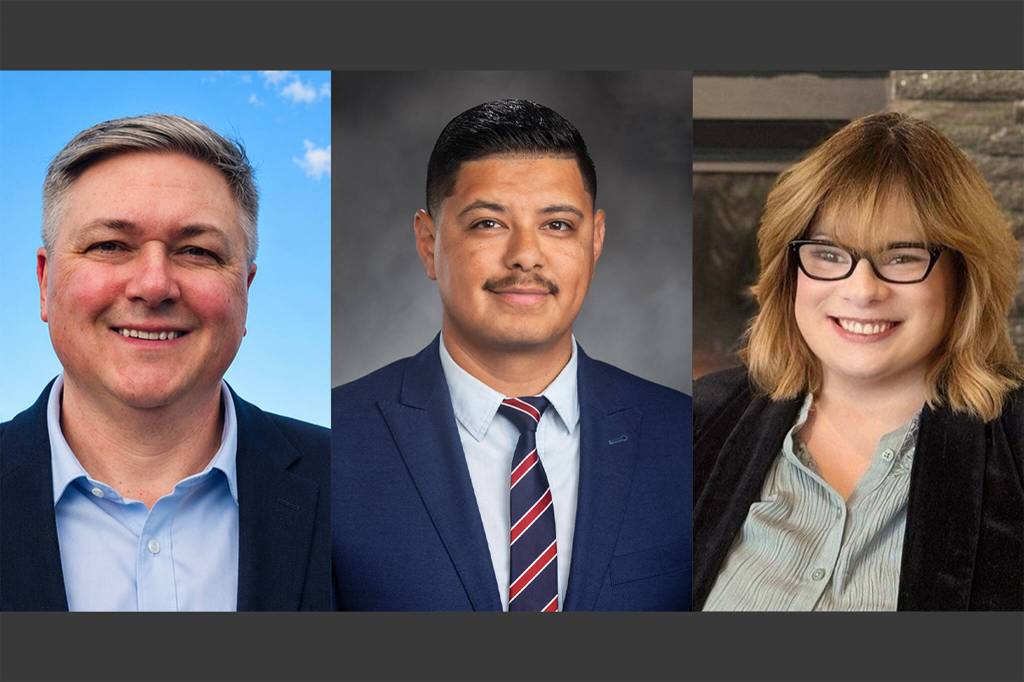



EVERETT — A Democratic incumbent in the state House is facing two challengers in the upcoming August primary.
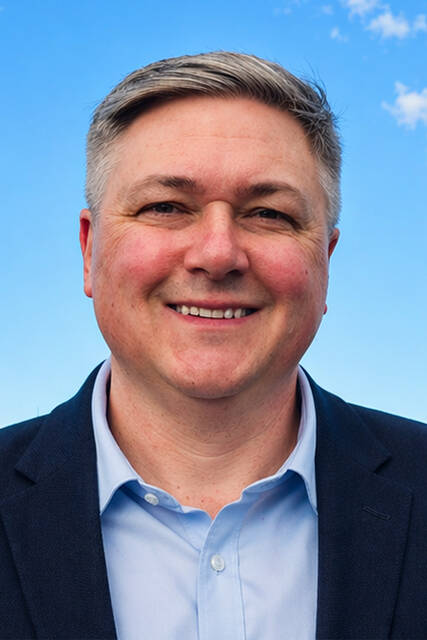
Annie Fitzgerald, a Democrat, and Jeff Kelly, a member of the newly-formed centrist Cascade Party, are challenging Democratic incumbent Julio Cortes for the representative seat as he seeks a third term in office representing the 38th Legislative District. The district’s boundaries include most areas of Everett, Marysville and the Tulalip Reservation.
State representatives earn $72,494 per year.
Election day is Aug. 4. The top two candidates will advance to the November general election.
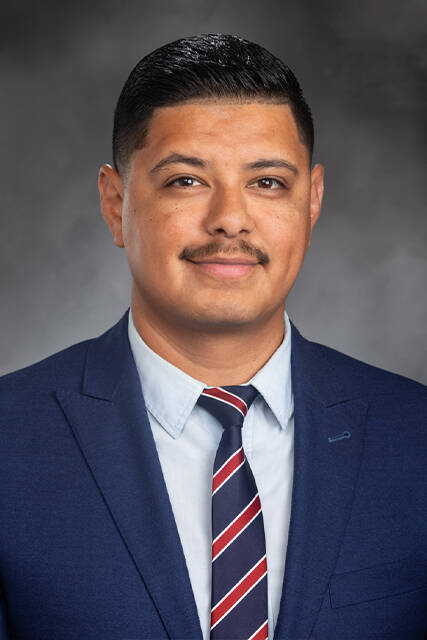
Julio Cortes
Cortes, 40, has served two consecutive terms as a Washington representative in the 38th District. He lives in Everett and works as an economic development manager for the city.
His top priorities include addressing homelessness, public safety and improving affordability, he said in a June 8 interview.
A big factor in improving affordability for residents will be increasing the availability and affordability of housing, he said. Cortes was a co-sponsor on a 2025 bill that limited annual rent increases to a maximum of 10% per year. He added that he hoped to cut red tape and speed up the permitting process to allow for more housing construction, as increasing supply could lead to lower prices.
Cortes touted the recently approved “millionaire’s tax,” a new state law levying a 9.9% tax on income above $1 million, as a way to improve affordability for residents. Revenue from that bill will allow the state to end sales taxes on items like over-the-counter drugs, diapers and hygiene products, provides increases in tax credits available for working families and small businesses, while also bringing in significant funding for the state budget.
On Washington’s ongoing budget challenges, he said the state could have done better to plan ahead when receiving vast sums of one-time federal funds during the COVID-19 pandemic, and that the state needs to look further into the future when planning its finances.
“We need to make sure that we are not investing in programs that we’re not going to be able to continuously fund for the long term, even if they’re great programs,” Cortes said. “If they’re great programs, we need to find a sustainable funding source for them.”
When looking at potential areas in the state budget to cut, he said he would try to reduce spending in programs with limited effects, while protecting existing programs that “are making a difference in people’s lives,” including services like early learning and childcare.
With cities across the state facing budget difficulties, Cortes said the existing 1% cap on annual property tax revenue increases is “killing cities” across Washington. He said he would consider reviewing that cap and possibly putting the question of increasing it to voters.
“I want to make sure that it’s transparent and clear to folks where the money’s going if they vote for it,” he said.
To address homelessness across the region and state, Cortes said he would aim to increase funding for prevention measures. That would include new bills he is working on, he said, that would aim to address the juvenile justice system and increase funding for diversion programs for young people. Cortes also said he hoped to increase the availability of support programs for individuals leaving jail or prison.
“Jailing youth and jailing adults is incredibly expensive, so if we can instead invest those monies into support systems, we’re going to not only save money but save that person from the streets,” he said.
On climate change, Cortes said that while Washington has taken positive steps to address it, the state should be more aggressive at targeting major polluters and invest into green technology. He also touted a bill he sponsored that allows cities to waive utility connection fees for companies that implement industrial symbiosis, a process where a business utilizes industrial waste from another company for their operations.
When funding transportation projects, Cortes said the state needs to first prioritize investments that improve safety, particularly in the state’s aging bridges. Some projects needed for seismic safety and traffic improvements, like the I-5 bridge connecting Portland to Vancouver, Washington and the replacement of the U.S. 2 trestle, are expected to have price tags in the billions of dollars.
“I think we need to prioritize these projects for safety, making sure that the average Washingtonian is going to have access to emergency services and the ability to get to work every day at the same time,” Cortes said.
He added that the light rail expansion set to arrive in Everett by 2037 was “a no-brainer” investment that will be “a game changer for Snohomish County.”
On public safety, Cortes said he hoped to implement policies to improve hiring at police departments, making them more reflective of the communities they serve. He also said he would support increased investment in social worker programs.
Cortes has been endorsed by Gov. Bob Ferguson, U.S. Rep. Rick Larsen, Snohomish County Executive Dave Somers, Everett Mayor Cassie Franklin, State Sen. June Robinson, State Reps. Lillian Ortiz-Self and Strom Peterson and Snohomish County Council members Megan Dunn and Jared Mead. He has also been endorsed by the 38th District Democrats, the state employees union and the state labor council, among many other organizations.
Cortes has reported $32,826 in campaign contributions as of Thursday, according to state public disclosure filings.
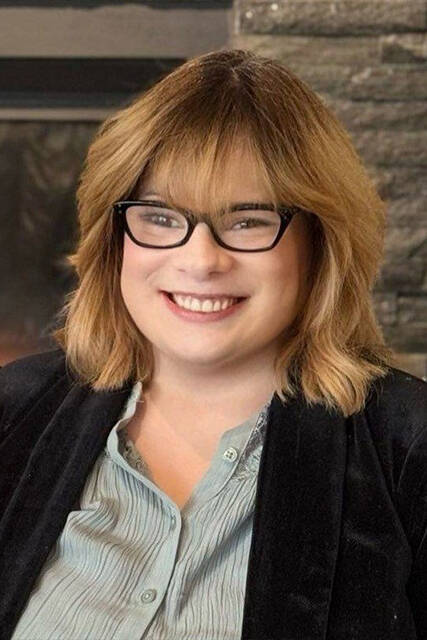
Annie Fitzgerald
Fitzgerald, 45, is a full-time student at Everett Community College and previously ran for a state representative seat in 2024. She lives in Marysville.
Her top priorities include implementing universal healthcare, improving the affordability of housing, raising the minimum wage and implementing a more progressive tax structure, she said in a June 25 interview.
Fitzgerald, a democratic socialist, is an advocate with Whole Washington, a nonprofit that advocates for implementing universal healthcare in the state through the Washington Health Trust, which would levy taxes on employers, employees and capital gains to provide public health insurance for all residents of the state.
Lawmakers in the state have previously introduced bills to develop a public healthcare system in Washington. In 2025, Cortes and State Rep. Mary Fosse, who also represents the 38th District, were among the sponsors of a 2025 bill that would have created the Washington Health Trust, but the bill died in committee.
Fitzgerald said that Washingtonians are struggling with higher healthcare costs or lack of coverage entirely after a federal spending bill approved last year allowed Affordable Care Act subsidies to lapse, and that the state should have taken action to meet the needs of residents. Any step that gets the state closer to a universal health care system, she said, is a step the legislature should take.
“People can’t wait,” she said. “This is something they have been working on for years and years at this point. It’s time to get on the ball and pass it now.”
To address rising housing costs, Fitzgerald said she would support a social housing program, as well as offering additional tax breaks to developers looking to build affordable housing projects. She said she would also look into ways to adjust environmental protection regulations to allow for more development.
“If these concerns are something that is making it more difficult to build affordable housing, then we need to re-examine that while still doing what we can to protect the environment,” Fitzgerald said.
In regard to the state budget, Fitzgerald said that the state’s regressive tax system — where poorer residents have a relatively higher tax burden than wealthier residents — needs to be addressed to get more revenue to balance the state’s budget. She said she would support raising taxes on large corporations and wealthy individuals in the state.
To address homelessness, she said she would support programs that prevent homelessness before it begins, while also supporting additional funding for homeless shelters.
“Everyone deserves a place to call home, and we should be doing everything in our power to provide housing to everyone,” Fitzgerald said.
On public safety, Fitzgerald said that police departments receive a large proportion funding, and that programs like social workers and community policing should receive more financial support from the state. She also opposes Flock Safety automated license plate reader cameras.
Fitzgerald, who is disabled, also said that she would work to strengthen and expand services for people with disabilities.
“Healthcare, housing, transportation, education, and employment are civil rights,” she wrote in an email. “Washington must center disabled people in policymaking by ensuring we have a seat at the table whenever decisions affecting our lives are made.”
On climate, she said she would support expanded indigenous sovereignty, work to protect salmon and river systems and prioritize investments in renewable energy.
Fitzgerald has been endorsed by Progressive Victory, a left-leaning organizing group, and The Voice of the Mountain, a progressive community newspaper in Marysville that began publication last year.
As of Thursday, Fitzgerald has not reported any campaign contributions, state public disclosure filings show.
Jeff Kelly
Kelly, a 49-year-old first-time candidate, is a retired nurse and Army combat medic. He lives in Everett and serves as the chair of the Delta Neighborhood Association.
His top priorities include improving affordability, reforming the state’s tax system and finding ways to cut back on excessive state spending, he said in a June 2 interview. Kelly is a member of the Cascade Party of Washington, a centrist political party created in 2024 by Krist Novoselic, the former bassist of the Seattle grunge band Nirvana.
To improve affordability, he said that the state needs to address its regressive tax system.
“People are just getting fleeced,” Kelly said. “It’s coming from everywhere.”
He pledged to bring forward a fairer tax plan within his first two year term, though he said he did not yet know what the plan would look like. He said he would work with tax and budget professionals in Olympia to bring back a potential plan for public debate.
“Why don’t we get a new game plan? Because this tax system obviously isn’t working, it’s run its course,” Kelly said. “We need some bold legislators in there to say, ‘Hey, we need to come up with a new plan.’”
Kelly also suggested that the state should implement tax holidays and offer more days where residents can go to state parks for free.
On the state budget, Kelly said that the Legislature will have to look to make cuts to spending. He said he would want to conduct a cost-benefit analysis of state programs to find areas where state spending might be reduced.
“We need to make sure that our money is going to places that are effective, that our money is being effectively spent,” Kelly said.
When looking for cuts, however, Kelly said he woudn’t make cavalier decisions when reducing spending.
“We don’t want to bring a bull into a china shop,” he said. “… We want to make sure that we’re making rational and wise decisions that are compassionate.”
Kelly also said the state should work to keep business sectors like the maritime, aviation and timber industries local.
On housing, he said that the state should make it easier for developers to build homes, and suggested finding ways to streamline permit timelines as a way to cut time and costs for development. To address homelessness, Kelly said that he would support increases in the amount of wraparound services available to people in need.
On public safety, Kelly said that he would support maintaining existing funding for law enforcement officers, and said that the state shoudln’t go forward with a plan to use surplus police and fire pension funds to shore up the state budget.
“We need to make sure that police are being funded, that we’re not taking money from them or taking resources away from them by tapping into their retirement funds,” he said.
As of Thursday, Kelly has reported $1,500 in campaign contributions, state filings show. His campaign website lists no endorsements.
Will Geschke: 425-339-3443; william.geschke@heraldnet.com; X: @willgeschke.