Everett proposes changes to tax break program for builders
Published 2:22 pm Monday, July 20, 2026
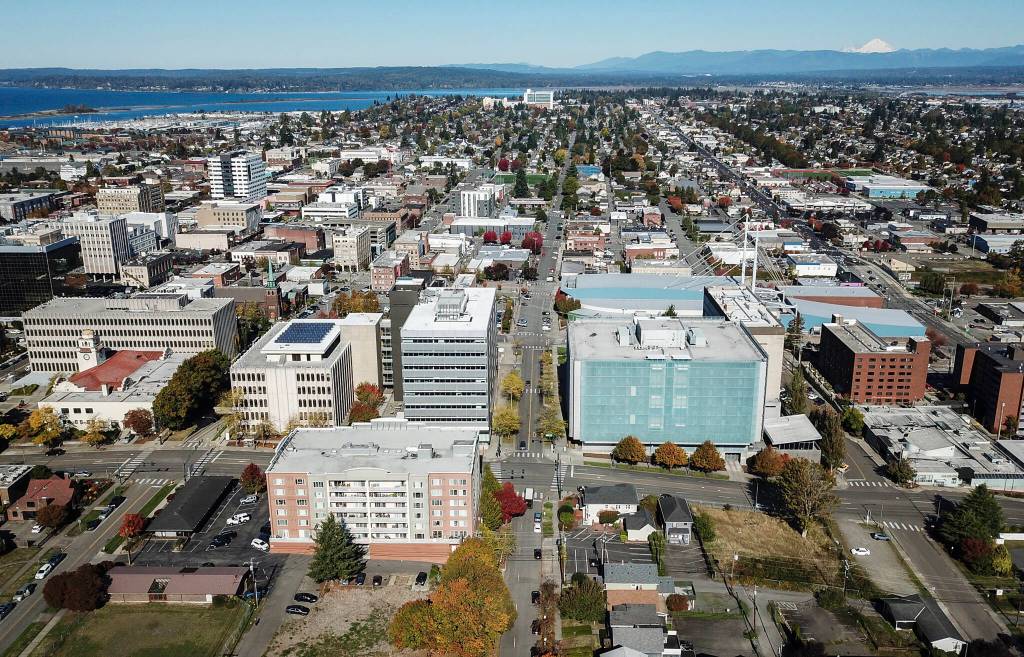
EVERETT — The city of Everett is considering the expansion of a tax incentive program for developers that build affordable housing units in the city, part of an effort to increase the supply of housing and bring down costs.
Under a proposed ordinance, the city would relax rules surrounding its Multifamily Tax Exemption program, known as MFTE, by expanding the program to most areas of the city and allowing smaller buildings to qualify for the tax breaks.
The MFTE program works by offering exemptions in property taxes to developers that build housing within the city. If projects include units that are made affordable to those with lower incomes, developers get rewarded with additional tax breaks.
Developers who construct housing units under the MFTE program aren’t off the hook for their entire tax bill — they still have to pay their property tax bill for the land and any commercial improvements on the property, while the residential improvements are exempt.
The tax breaks from the MFTE program don’t have an impact on city finances, either, because other property owners across the city temporarily pay the share of the levy that would have been paid by the builder, in what’s known as a tax shift. In 2025, that added up to about $25.78 on the average property owner’s annual tax bill in Everett, according to a planning commission memo, which helped make about 1,500 housing units available in the city under the program. On average, each housing unit built under the program costs property owners throughout the city about two cents per year, the memo read.
Currently, projects under the MFTE program need to include at least 16 housing units to qualify. If they are market-rate units, builders can earn an eight-year exemption on the taxes levied on their property’s residential improvements. If the building includes affordable units, they can earn a 12-year exemption.
Since the MFTE program was implemented in 1999, it has supported the construction of about 3,700 housing units in the city, according to Frank Hong, a special projects manager at the city planning department.
As part of the proposed changes, the new ordinance would lower the required number of units to qualify for the exemption from 16 units down to four, the same threshold used by many other cities, including Seattle, Hong said during Wednesday’s council meeting. It would also expand the areas where projects could qualify for the tax breaks to include most residential zones of the city — the MFTE program was previously limited to mostly areas zoned for multifamily construction.
Hong said the changes would help facilitate more housing construction and capitalize on zoning changes Everett made last year to allow for more dense development.
“We’ve had this in the city for 27 years. All we’re doing is trying to make it more user-friendly to not just our larger developers who have taken advantage of this, but to a lot of our local, smaller developers as well,” Hong said.
The proposed ordinance is small step to encourage more development, city staff said, not a one-size-fits-all solution to the housing crisis. Under the proposed changes to the MFTE program, city staff estimated that between 15 to 100 new affordable units would be constructed each year because of the relaxed rules. Taxpayers would see an impact between 30 cents to $2 per year.
The vast majority of projects that are constructed under the program are offered as rentals, because developers don’t get an financial benefit of property tax breaks when selling owner-occupied homes. Council members said Wednesday that they were hopeful that the city could implement new tools to encourage more home ownership throughout the city.
“We’re a city that has a majority of renters, and one of the things we’re weak on is ownership housing opportunities, so I’m particularly attentive to anything we can do in that direction,” council member Ben Zarlingo said.
City staffer Jennifer Gregerson said Wednesday that the city plans to propose other tools in the future, like allowing for lot splitting and looking into community land trusts, to address the need for home ownership opportunities.
The city council is expected to vote on the proposed MFTE changes at a July 29 meeting.
Will Geschke: 425-339-3443; william.geschke@heraldnet.com; X: @willgeschke.