Snohomish County therapeutic court supports treatment over jail time
Published 9:18 am Monday, July 20, 2026
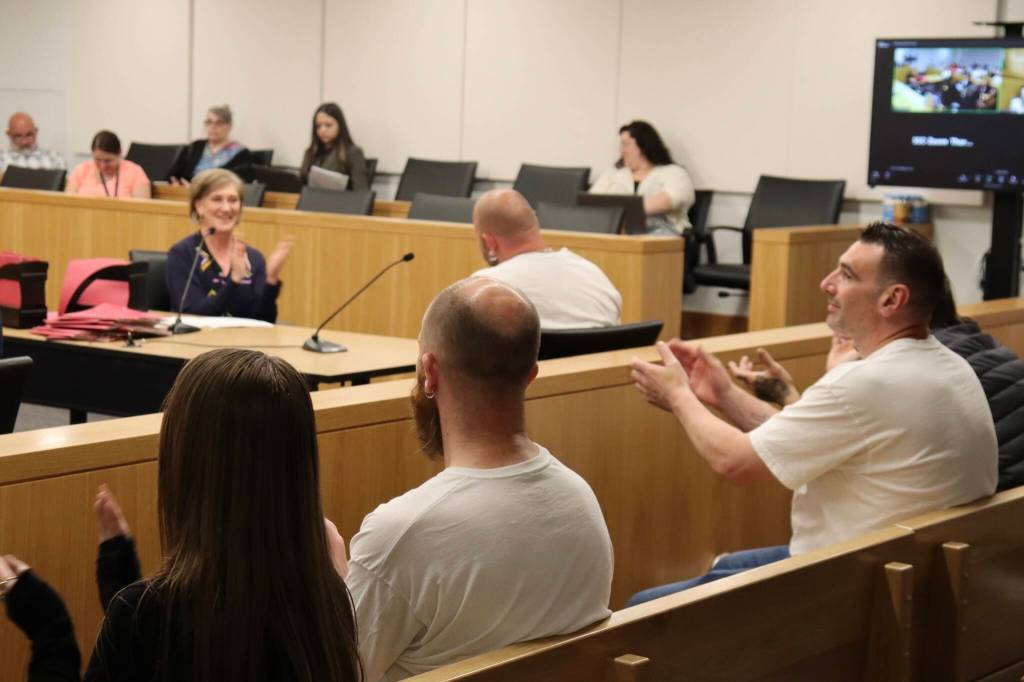
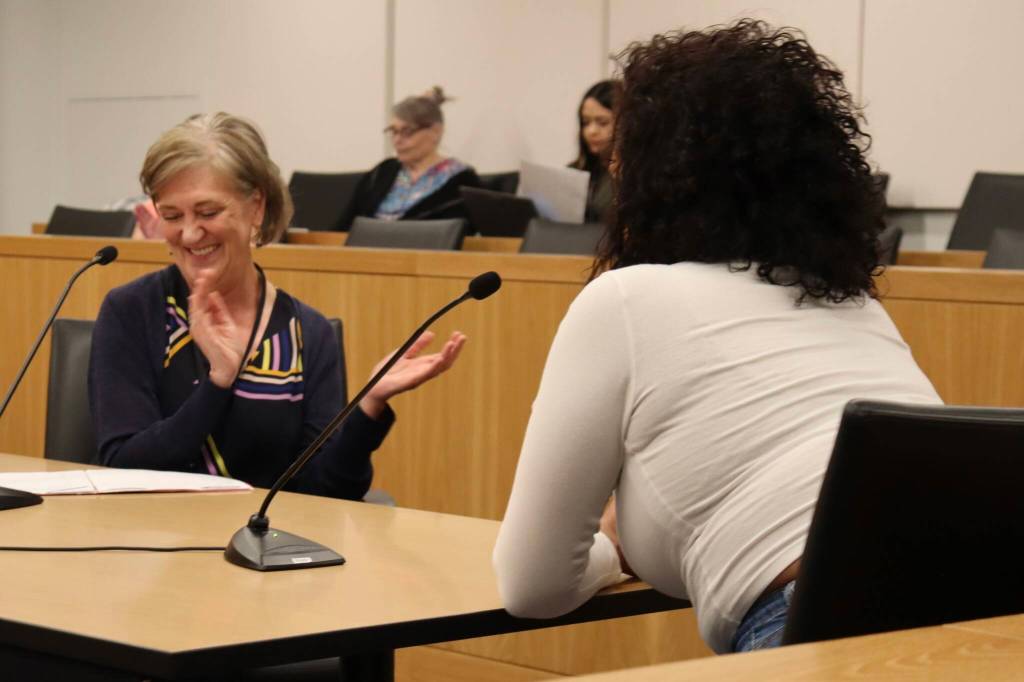
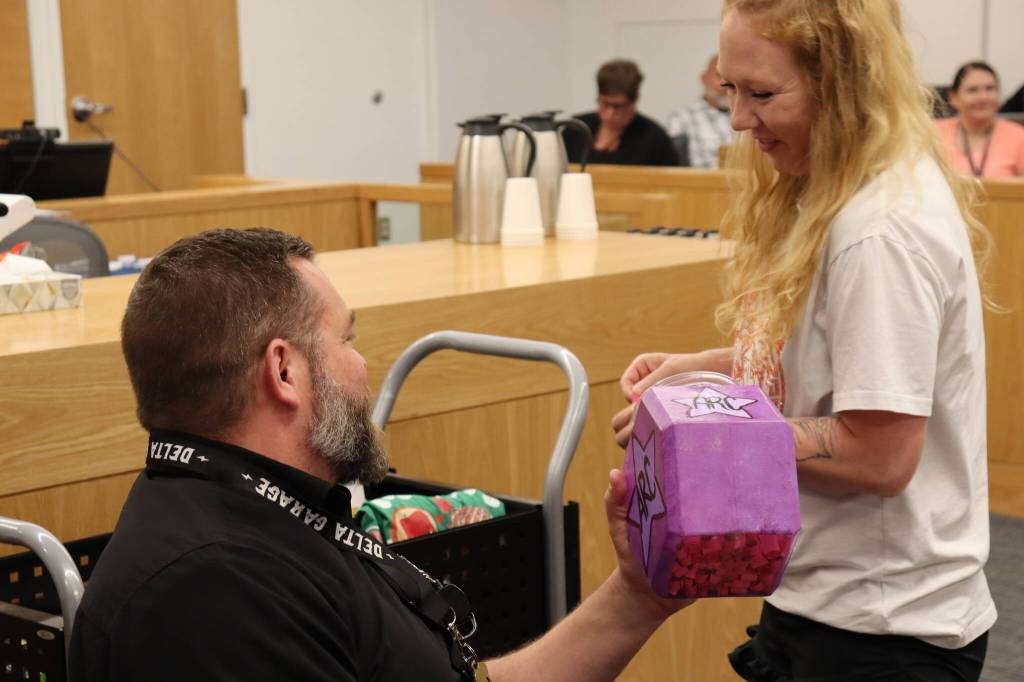



EVERETT — Applause is an unusual sound in Snohomish County Superior Court.
Except for one afternoon a week, when the clapping in a fourth-floor courtroom has become so common, the judge has added rules to keep the celebrations in check.
The ovations come in waves, when each person steps out of the gallery, sits across from the judge and shares how long they’ve been clean.
Whether it’s day one or day 600, the sobriety is met with resounding support.
This is Snohomish County Adult Recovery Court, familiarly known as drug court, a voluntary sentencing alternative for adults with substance use disorder who are facing felony drug charges.
The therapeutic program works to reduce recidivism by treating addiction and creating long-term stability for those who’ve been caught up in the criminal justice system.
Here, people are known by their first name, not a docket number.
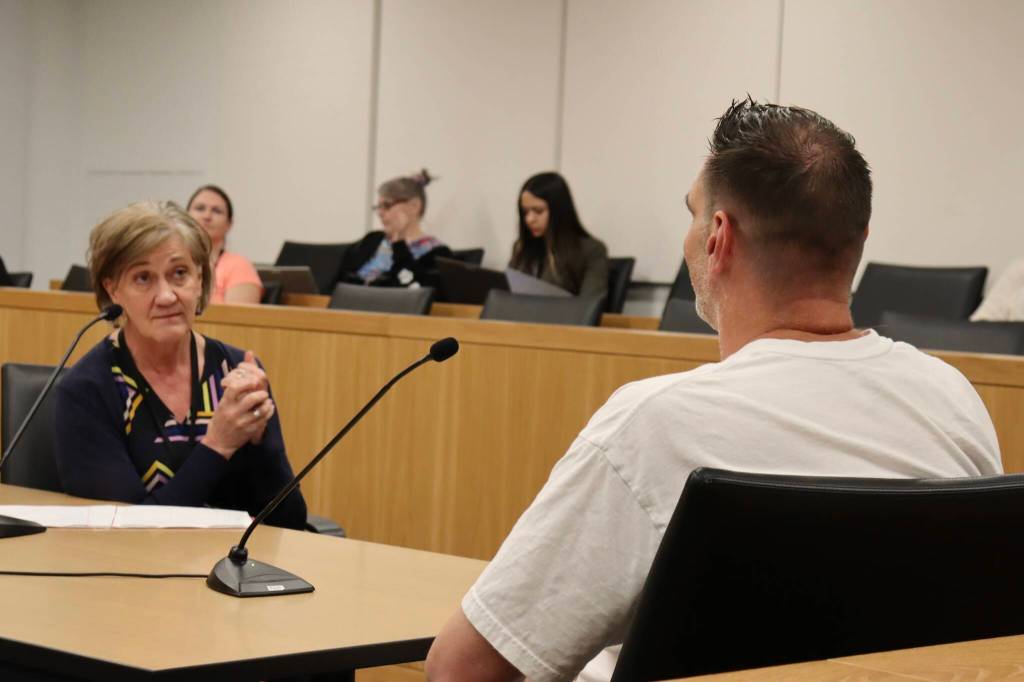
“The way that we handle court is very different from the way traditional court is run,” said Superior Court Judge Karen Moore, who took over leading the county’s therapeutic courts earlier this year. “I don’t wear my robe. I don’t sit up on the bench. I sit down in the well at the conference table with participants. They sit right next to me and we talk.”
On a Thursday afternoon in late June, Moore spoke one-by-one with the 70 or so participants, just as she does on a regular basis.
She offers a soft smile and asks each person a simple first question, “How are things going?”
From there, they discuss the successes and challenges of navigating life in recovery.
“Sorry, I know I am momming you,” Moore said to one man when asking about his dental care and if he’d taken his antibiotics.
Some of these people are doing well, progressing through the phases of the 12-to-24 month program and celebrating milestones like getting their license or a job.
Others are still deciding if the rigorous program outweighs the consequences of their drug offense.
“I really want to know if you want to be here,” Moore said to one participant. “It’s a matter of making sure you are working our program, not your own.”
“It’s just plain talk,” Moore told The Daily Herald. “It’s like part butt kicker and part cheerleader.”
The incentive is a clean slate and a chance to rebuild.
Participants who complete the program have their current felony drug charges dismissed.
Since 1999 when Snohomish County started its first therapeutic court, 1,019 people have completed the treatment.
“I needed my life back and I had no support system, whatsoever, I had no trust,” said Jenna Fitzgerald, an Everett resident who’s been in drug court for about seven months. “I got all that back with these people. They don’t frown on us as addicts, they build us up.”
Fitzgerald said she was eight years sober when she fell back into addiction.
“I worked for everything that I had and then I relapsed and lost everything,” she said. “And then I got arrested.”
Now she’s celebrating more than 400 days of sobriety. She has a place to stay of her own, a car and is enrolled in community college classes.
“I know that when I’m done with the program, I’ll have just about everything to set me up so that I don’t fall,” Fitzgerald said. “I know already that I don’t want to relapse.”
Participants like Fitzgerald credit adult recovery court’s long-term, highly structured treatment plan for providing the strict rules and consistency they need to get off drugs.
Moore and a staff of a half-dozen or so social workers provide a support network that they can depend on.
“Sometimes I worry about if I’m connecting in the right way, you know, everybody is different,” Moore said introspectively. “Everyone’s recovery journey looks different. We have folks that are very circumspect and very quiet and not big talkers, and then we have folks that are very outgoing and really willing to just, share, share, share. We see all kinds, every single week.”
For Moore, the mission of recovery is personal. She said her sister spent time incarcerated for drug offenses.
Moore said she saw firsthand how substance abuse disorder impacts families.
Drugs took over her loved one’s life, turning someone with no criminal record into a person controlled by their addiction, she said.
“It’s coming to the realization that folks really by using substances and altering their brain chemistry in a way that they really lose the ability to make conscious choices,” Moore said. “So it’s really trying to approach it from that therapeutic aspect of what can we do to help interrupt that behavior, that’s different from just straight out incarcerating people and warehousing them.”
Drug court participants enter a robust, demanding program.
It begins with intensive inpatient treatment for at least four weeks, followed by outpatient treatment and mental health treatment, Moore said. The participants also receive moral recognition therapy to understand what is making them want to use.
To graduate they have to check off boxes like earning a GED or high school diploma, paying restitution to any of their victims, tallying at least six months of clean urine tests and regular attendance at sober support meetings and court appearances.
The program requires accountability, being even a few minutes late to the weekly drug court lands a participant with two hours of community service.
“These folks are doing a lot of work,” Moore said. “It is not a program for somebody to just, you know, (get a) get out of jail free card.”
Benjamin Martin said adult recovery court has helped him break a cycle of drug use and incarceration that began when he was just a teen. The lifelong Everett resident said he now has more than 450 days of sobriety under his belt.
“It feels good to actually accomplish something,” Martin said. “This would probably be, besides impatient treatment, just to be like the first program I’ve ever accomplished in my life.”
Since entering drug court, Martin said he’s been able to rebuild relationships with his son, his parents and his friends. He’s in a welding program at Everett Community College, working on getting his driver’s license and works as a manager at a clean and sober house.
“It built structure,” Martin said. “All the things they have us do are to give us a chance to be able to be successful in society and have a better life worth living.”
Martin admitted he struggled when first entering drug court, even relapsing twice, before treatment finally stuck.
“It just like clicked for me,” Martin said. “I know this is what I want, I don’t ever want to use again.”
In 2025, 20 people graduated from Snohomish County Adult Recovery court, boasting an impressive 14,225 days of combined sobriety, Moore said.
Even those who don’t complete the program often find success afterward. Moore said 85% of people who participated in the program, even those who didn’t make it to the end, have no new felony charges in the five years after they’ve left recovery court.
“This is a pathway for people to not just avoid a sanction,” Moore said. “This is a pathway that is a supported pathway for you to learn why you use and the skill set to totally change your life, so that you don’t make those same choices in the future.”
Inside the walls of the Snohomish County Superior Court, the participants said they become like a little family.
They discuss the ins and outs of each phase on the recovery journey, sharing congratulations and tales of optimism for those with doubts. A collective disappointment is felt when someone shows up late or doesn’t show at all.
“We’re each working on ourselves, but yet each time we get to see each other in court, we see where they’re at and how well they’re doing,” Fitzgerald said.
Adult recovery court in Snohomish County has space for 125 participants, but right now it is only about half full, Moore said.
The program requires a commitment from folks willing to address their addiction, instead of continuing their pattern of drug use and arrests. It isn’t easy, but Moore believes it offers a life-changing alternative for those who are up for the challenge.
“Simply incarcerating somebody and then basically saying, ‘Okay, now you’re out, go make your own way,’ is problematic,” Moore said. “This program is giving those participants all of those tools, so that they not only can be self-supporting and productive members of society, but that they can be examples for others that are maybe in that same position.”
Ian Davis-Leonard: 425-339-3097; ian.davis-leonard@heraldnet.com