At new Marysville water treatment facility, plants filter out pollutants
Published 6:30 am Wednesday, July 17, 2024
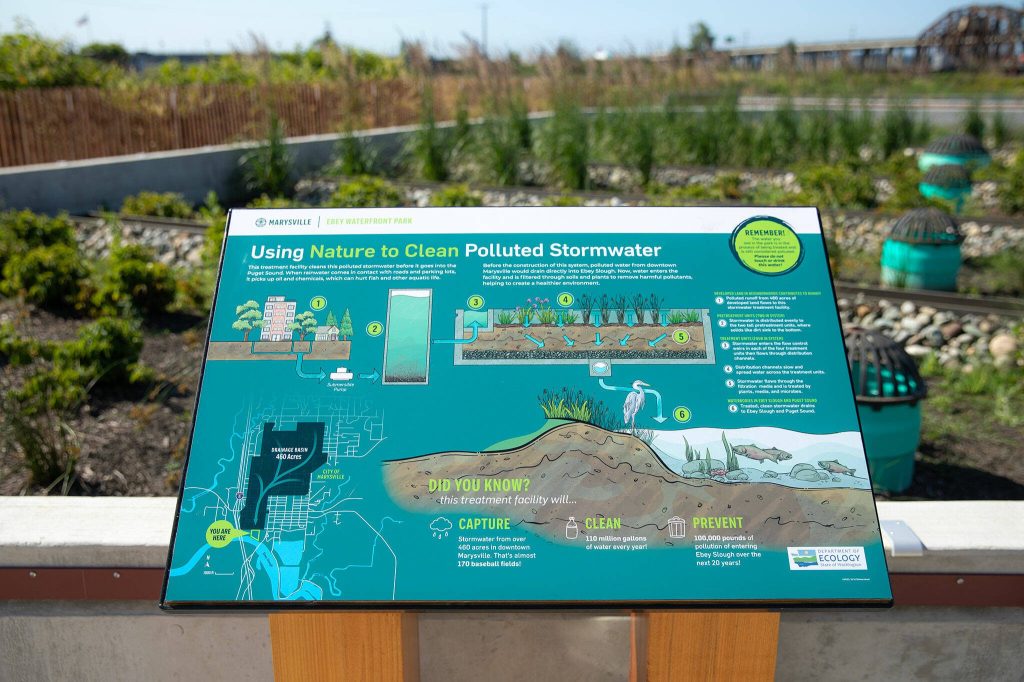


MARYSVILLE — The city’s new stormwater treatment plant isn’t landmarked by large tanks and pipes — or any buildings for that matter.
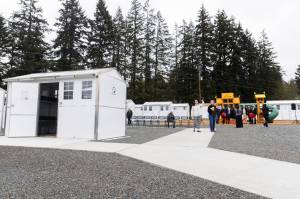
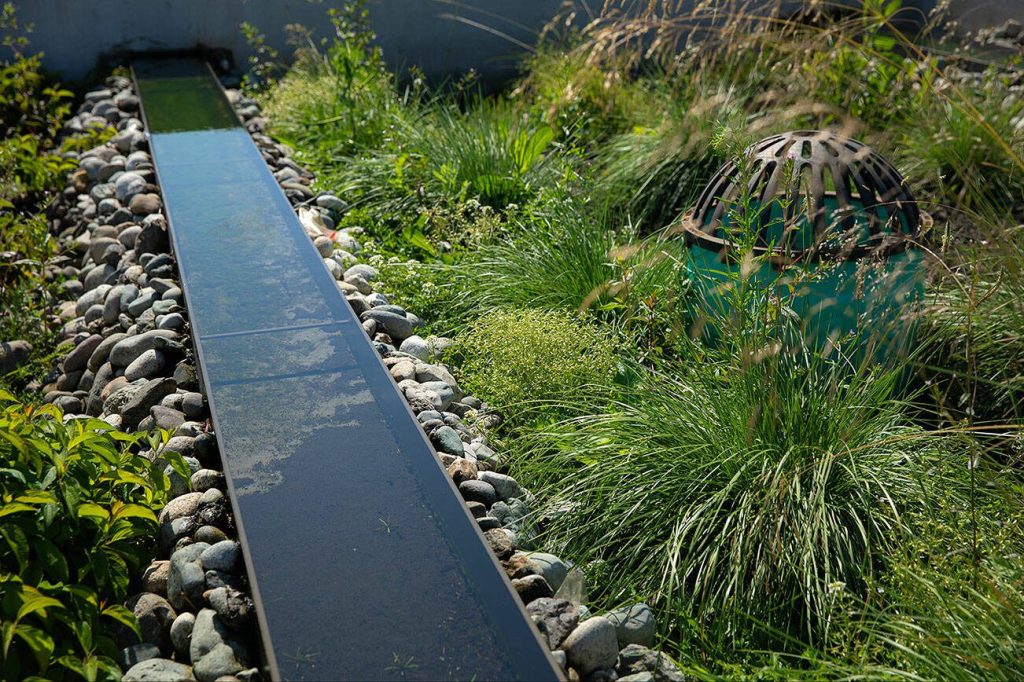
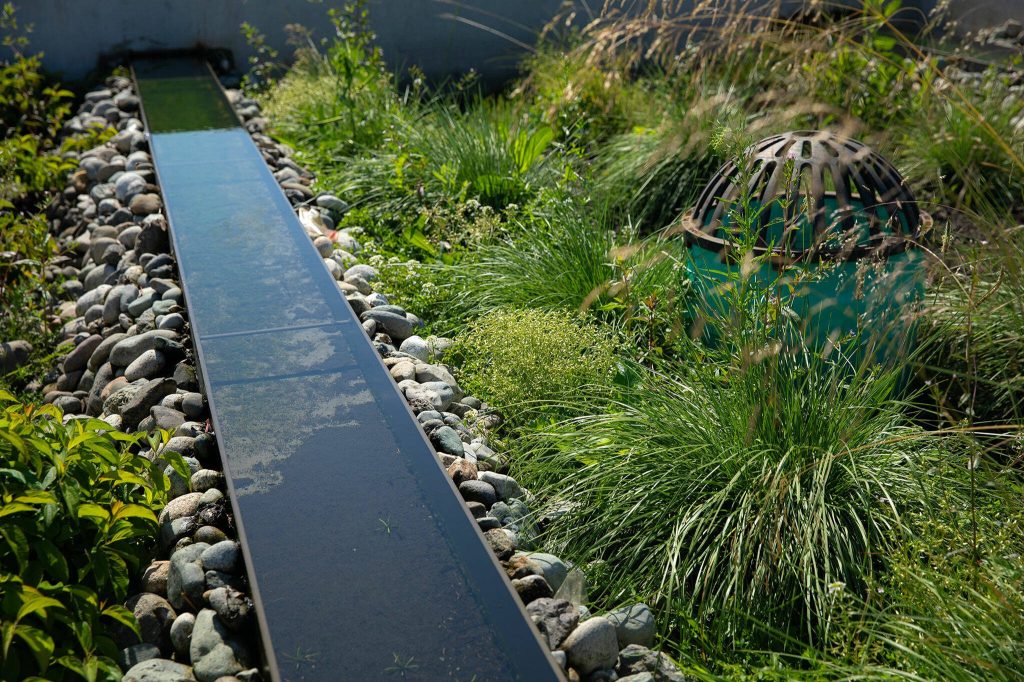
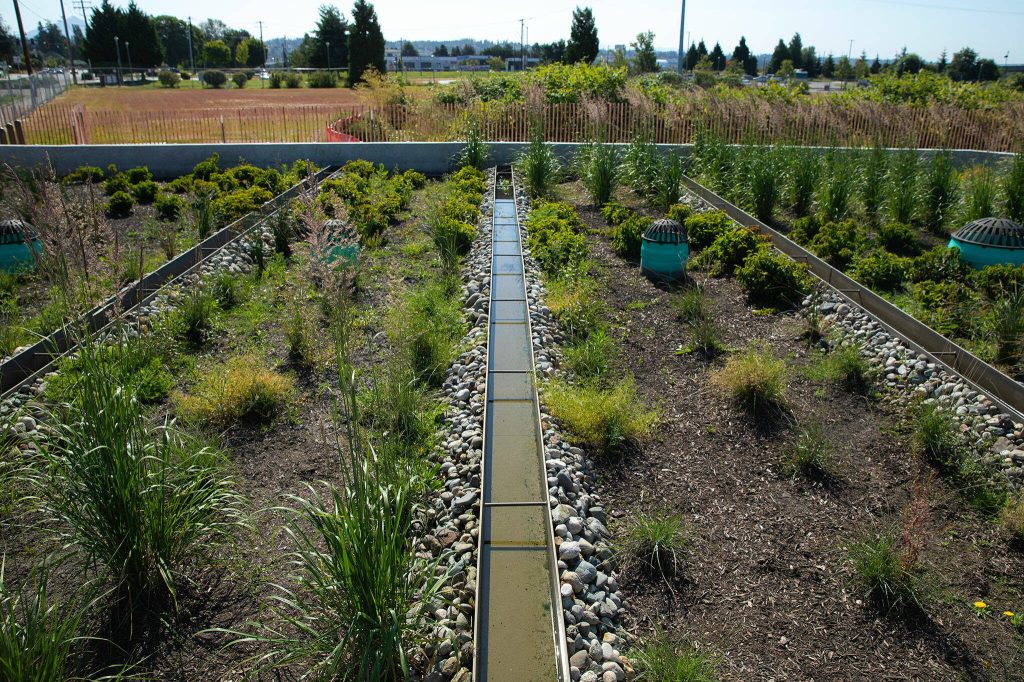
Near the shore of Ebey Slough, the plant — charged with treating 460 acres of urban runoff — looks like a park, with paved walkways and rows of native grasses.
The facility at 1304 First St. in Marysville incorporates new filtering technology never before seen at this scale, city officials said.
Inspired by a similar plant in Tacoma, the park designed by engineering companies Contech and Parametrix prevents pollutants like oils, fertilizers and pesticides from entering Ebey Slough and harming aquatic life.
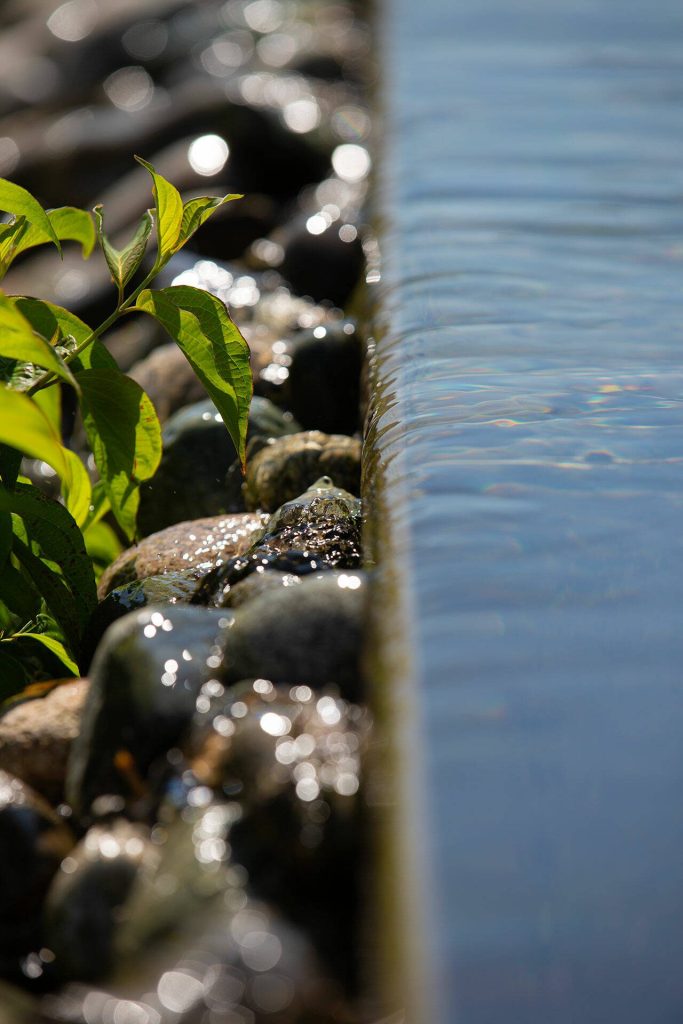
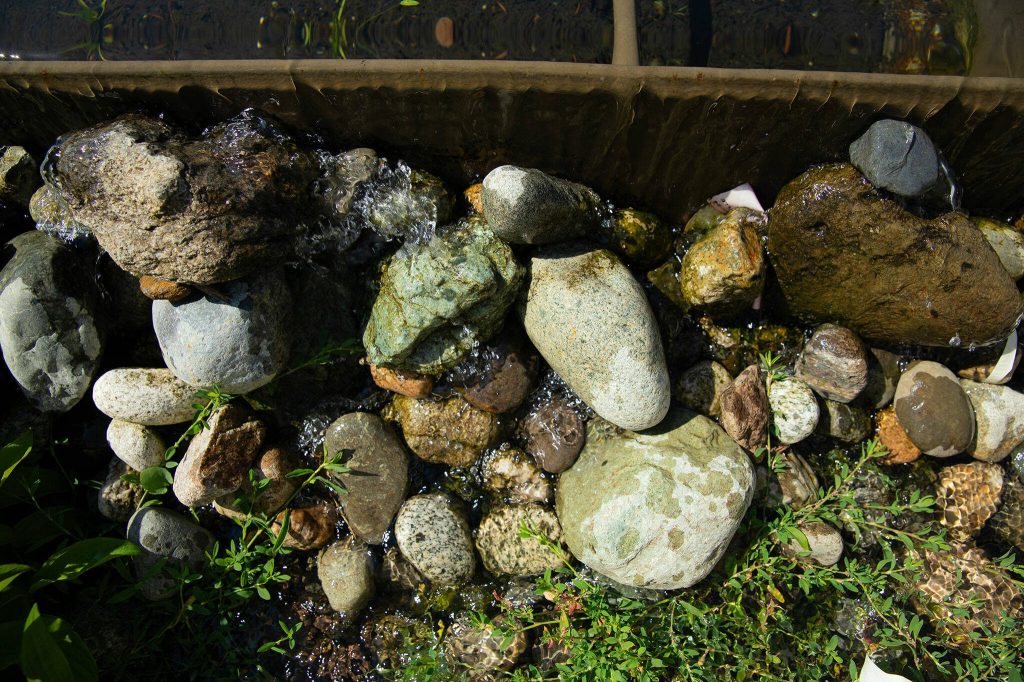
Runoff from downtown Marysville flows into an underground pipe system, directing the water to vaults where heavy debris, like dirt, sinks to the bottom. Then the runoff seeps into the garden’s channels — metal troughs patterned with rows of grasses. As the troughs overflow, water trickles in between stones and plants, sinking into what is called a “media filter” layer made of gravel and mulch. From there, the treated water spills out into Ebey Slough and eventually Puget Sound.
Experts familiar with the project expect the plant to clean 110 million gallons of water every year. The treatment plant, completed in May, cost the city about $14 million, with $7.6 million from state Department of Ecology grants.
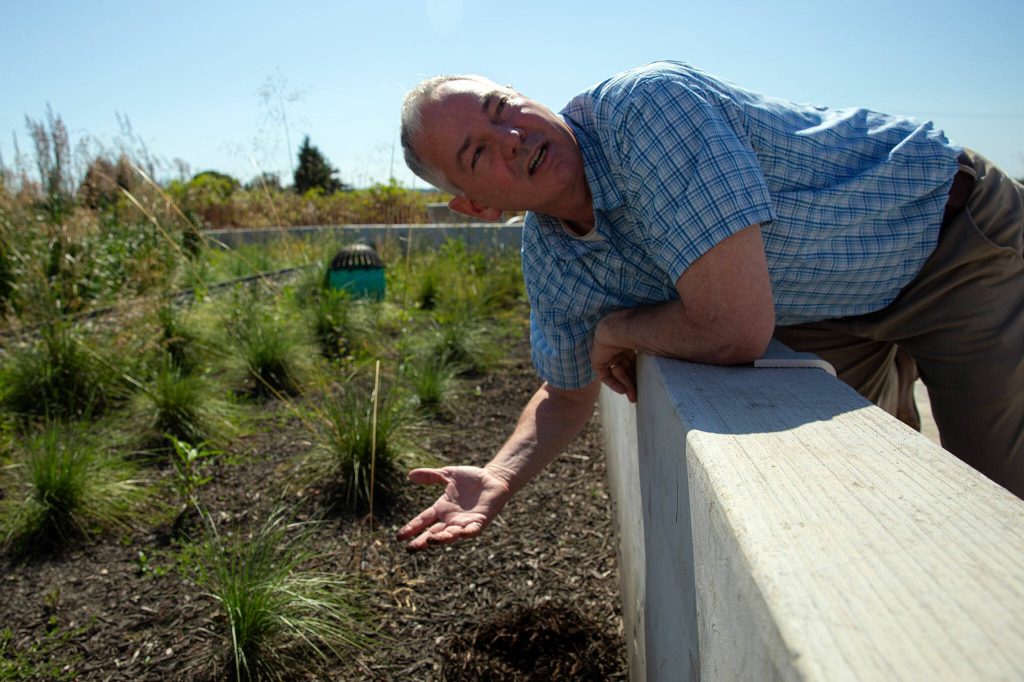
If contractors had built a more traditional water treatment plant, “it would have required a larger footprint,” said Steven Miller, the city’s senior project manager.
Workers would have had to develop more land and seek permission from BNSF Railway to construct a small channel under nearby railroad tracks.
Instead, the project “fit like a puzzle piece” next to Ebey Waterfront Park on a half-acre plot the city purchased in 2010, Miller said.
Project partners wanted to make the facility accessible, as a part of Marysville’s larger plan to develop the waterfront along Ebey Slough. City leaders have floated the idea of developing a $73 million sports hub there with hundreds of apartments and hotel rooms.
Untreated stormwater runoff is “the leading threat to Washington’s urban waters,” according to the state Department of Ecology. Chemicals, trash and animal manure accumulate in rain and snow melt, journeying over roofs and paved roads before discharging into rivers and lakes.
The pollutants can damage salmon and shellfish habitat, as well as contaminate groundwater and public swimming areas.
A chemical that helps car tires last longer, 6PPD, is lethal to coho salmon, endangering the fish when they migrate near stormwater runoff drains.
Green infrastructure like Marysville’s new treatment facility may help reduce wildlife exposure to 6PPD. Researchers are currently analyzing whether the new filtering technology used at the park can remove this specific contaminant, Miller said.
In the future, city staff will need to occasionally replace the mulch and plants at the treatment facility, Miller said. But other than that, the plant will require little maintenance.
Ta’Leah Van Sistine: 425-339-3460; taleah.vansistine@heraldnet.com; Twitter: @TaLeahRoseV.