Snohomish County salmon recovery projects receive $1.9M in state funding
Published 1:30 am Tuesday, April 29, 2025
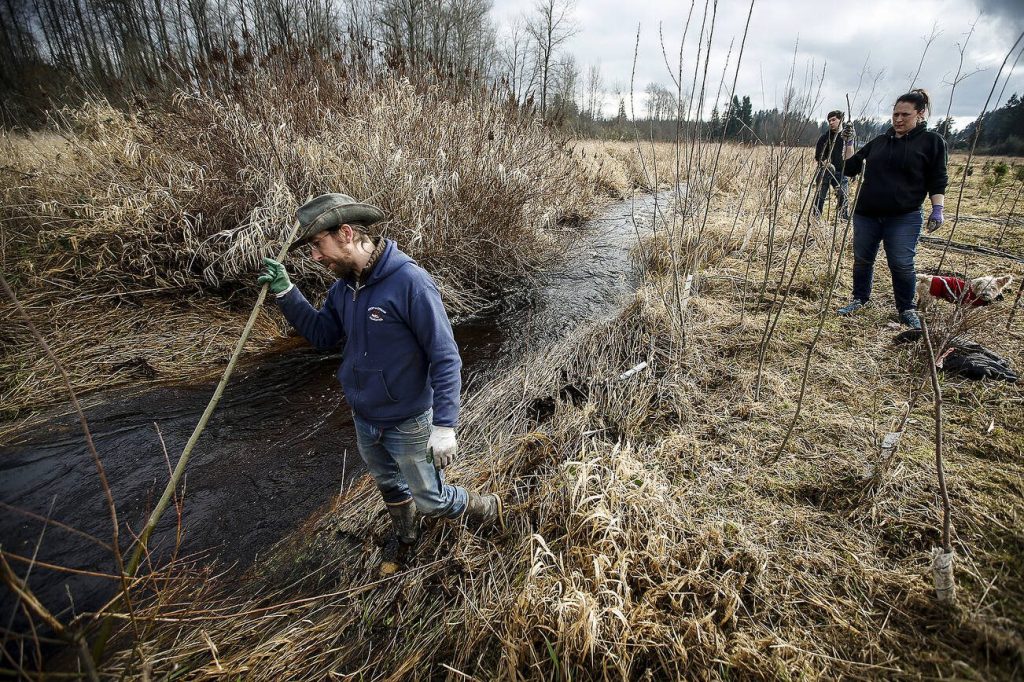
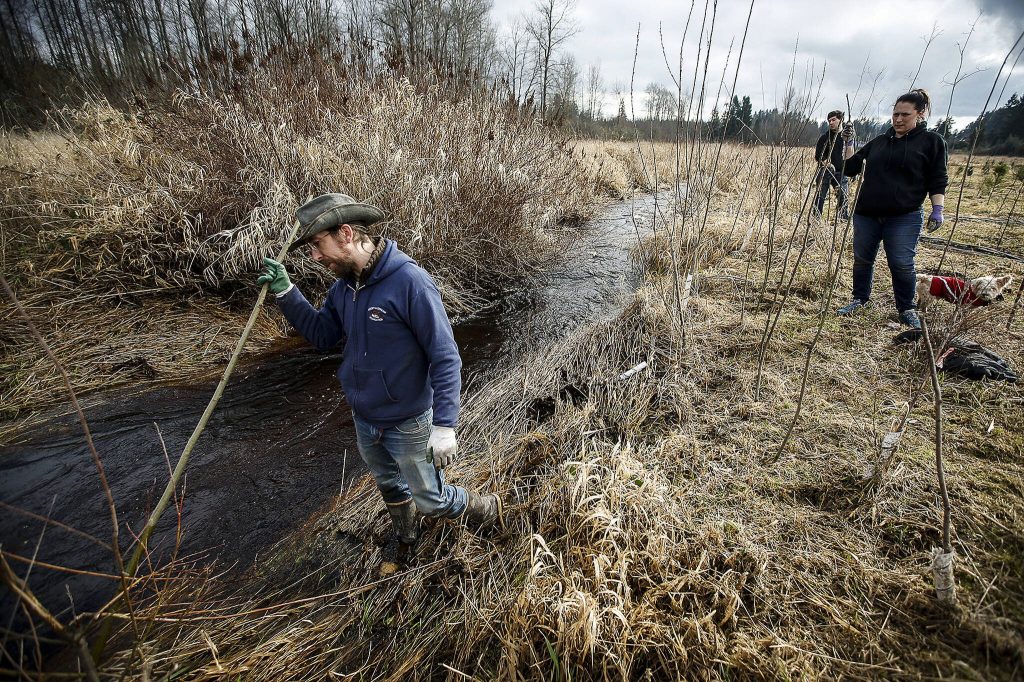


EVERETT — Four salmon recovery and habitat conservation projects in Snohomish County received over $1.9 million in state funding on Monday.
Grants supported by Washington’s Climate Commitment Act dollars went to the Adopt A Stream Foundation, the Stillaguamish Tribe, Tulalip Tribes, and Washington Department of Fish and Wildlife. In total, $71.3 million was awarded to 69 projects across Washington.
The Climate Commitment Act, passed in 2021 and reaffirmed in 2024, support projects across the state aiming to reduce carbon emissions, support climate resilience and improve public health. The act also requires the state’s largest polluters to curb their emissions to help the state reach its goals of reducing greenhouse gas emissions by 95% by 2050.
Adopt A Stream Foundation
The Adopt A Stream Foundation received $49,000 to complete designs and apply for permits to replace a culvert on upper Catherine Creek, a tributary of Little Pilchuck Creek and part of the Pilchuck River watershed. By replacing the culvert, the foundation will open 2.3 miles of stream habitat for endangered steelhead trout, sea-run cutthroat trout, resident trout and coho salmon. The grant is supported by the Brian Abbott Fish Barrier Removal Board program.
Stillaguamish Tribe
The Stillaguamish Tribe recieved $1.02 million from the Estuary and Salmon Restoration Program to restore 230 acres of wetlands between Hatt Slough and the Stillaguamish River. The tribe will remove dikes, a barn, mobile homes and multiple buildings to help reconnect tidal flow and expand habitat for threatened Chinook salmon. European colonizers diked the area is the late 1800s for farmland, according to the grant’s project description. The restoration project could expand the Stillaguamish delta to more than 700 acres.
Tulalip Tribes
The Tulalip Tribes received $414,000 to support culvert removals in Williams Creek, next to South Machias Road and south of Lake Stevens. Tulalip will remove one of the culverts and restore the crossing to more natural conditions, and the other culvert will be replaced with a bridge. The project will restore habitat access for threatened Chinook salmon, steelhead and bull trout. The grant is supported by the Brian Abbott Fish Barrier Removal Board program.
Washington Department of Fish and Wildlife
The state’s Department of Fish and Wildlife will use $500,000 to design a restoration project for the Spencer Island estuary, just east of downtown Everett. The project stems from 2011 designs to remove and lower dikes to provide more habitat for threatened juvenile Chinook salmon. The grant is supported by the Estuary and Salmon Restoration Program.
Eliza Aronson: 425-339-3434; eliza.aronson@heraldnet.com; X: @ElizaAronson.
Eliza’s stories are supported by the Herald’s Environmental and Climate Reporting Fund.