Special Olympics Washington unveils new cauldron in partnership with Boeing
Published 1:30 am Friday, May 29, 2026
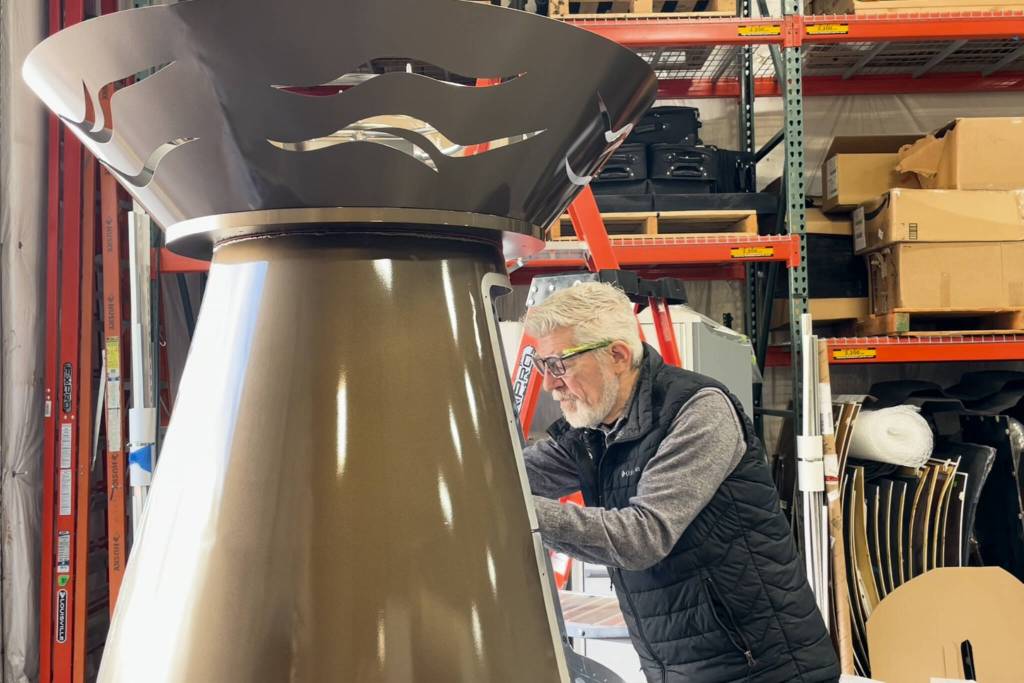
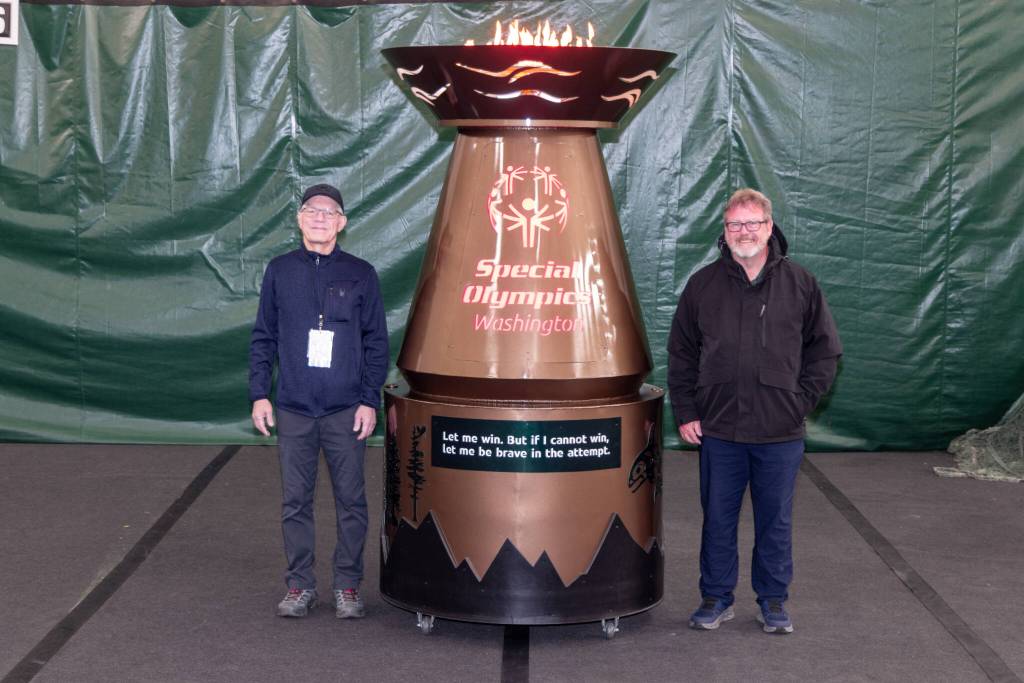
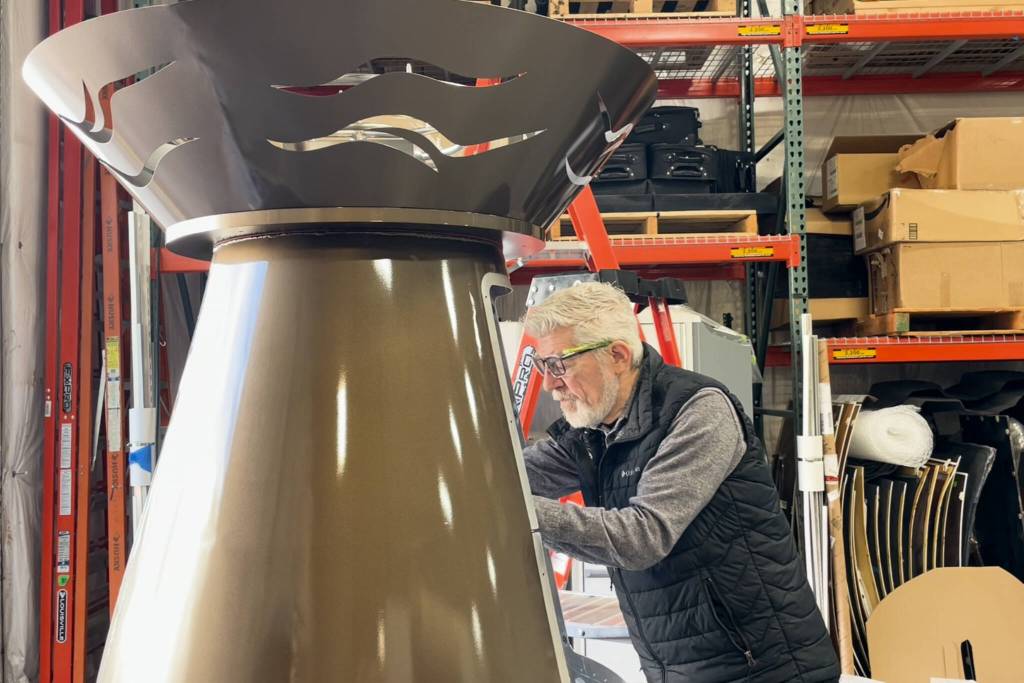
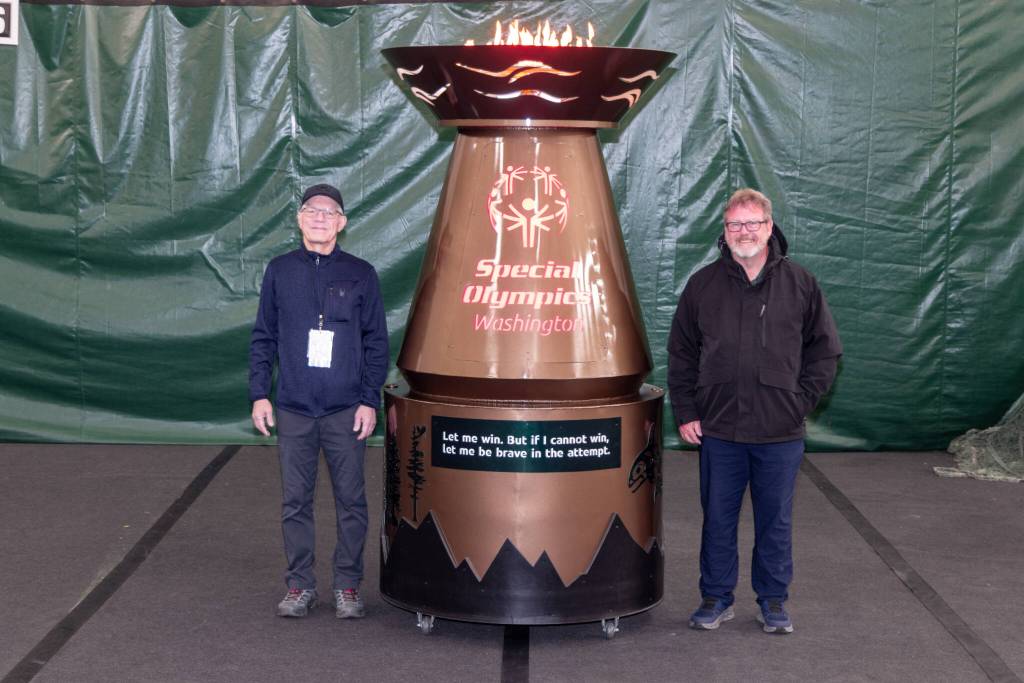
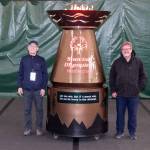
EVERETT — Boeing put some of its aircraft material to a new use — crafting Special Olympics Washington’s updated cauldron that was unveiled Friday at the opening ceremony for the spring games in Tacoma.
After the previous cauldron grew too old and unsafe for the athletes to light, Boeing, a long-time collaborator with the games, was tasked with designing and building a new version, according to a Boeing press release. While the completed version debuted Friday at Cheney Stadium in Tacoma, the aerospace company provided the winter games in February with an interim version.
“People were lining up to take pictures long after the ceremony had ended,” said Scott Mercer, the vice president of fulfillment, logistics and program integration at Boeing Commercial Airplanes, in an interview Thursday. “I think that’s just a testament to just how impressive it was, and it’s really a sign of what the games bring to the people that are involved.”
The Washington branch of the Special Olympics provides sports training and athletic competition year-round for a variety of Olympic-type sports for children and adults with intellectual disabilities, according to its website.
“State Spring Games are a celebration of courage, community, and belonging,” said Mary Do, CEO of Special Olympics Washington, in a statement Thursday. “We’re incredibly grateful to Boeing helping make this unforgettable weekend possible.”
The spring games will run until Sunday, with more than 2,000 athletes, unified partners and coaches participating.
While the design engineering for the approximately 400-pound cauldron took place at Boeing’s Concept Center in Everett, more than 50 employees across the Puget Sound had a hand in the process. Made of stainless steel and aerospace aluminum, which also make up an airplane’s body, the cauldron stands at more than seven feet tall, the release said.
“Using the aircraft materials and our skills designing with those types of materials translated well to having a cauldron that not only will last the test of time, but also will not be onerous as far as weight, so we can build it a little bigger,” Mercer said.
The cauldron has three sections, each featuring its own design that blends Special Olympics imagery with Pacific Northwest scenery.
The bowl on top is rimmed with wave and cloud cutouts to represent the Pacific Ocean, the release said. The middle section displays the Special Olympics logo. Underneath, the athlete’s oath is displayed alongside a laser-cut Orca breaching the water and trees. A plastic circular panel representing a mountain skyline protrudes from its base.
Internal LED lights illuminate the design.
“I thought that was really cool,” Mercer said about the lighting. “Gives it a very different dynamic depending on the setting that it’s in.”
The creation of the cauldron took just over 900 hours, Mercer said.
“Our engineers are engineers, and they just love the opportunity to go and design something different,” Mercer said. “Put all their creative skills to work.”
Jenna Millikan: 425-339-3035; jenna.millikan@heraldnet.com; X: @JennaMillikan