Man found guilty in shooting death of prison guard helping deer cross road
Published 2:39 pm Monday, July 13, 2026
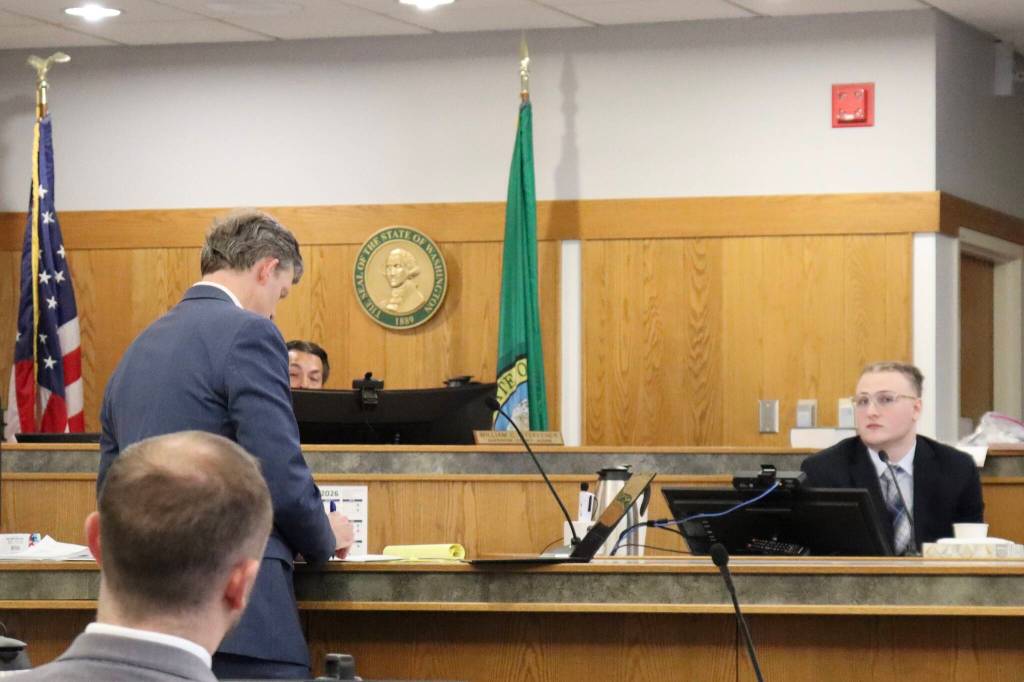
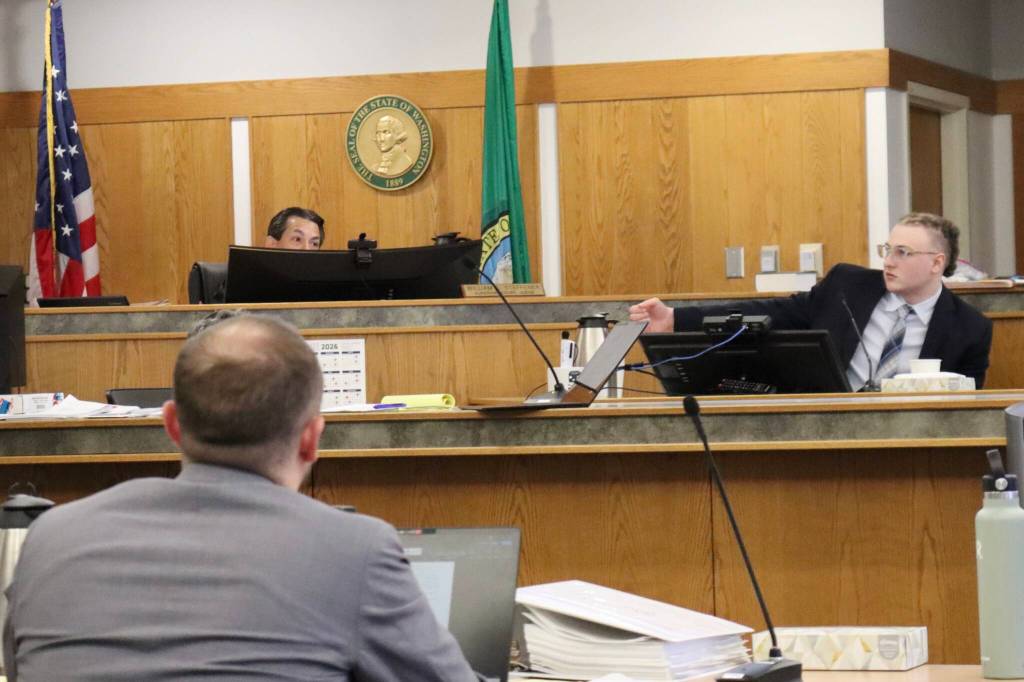


EVERETT — A Lake Stevens man’s claim of self-defense was not enough to sway a jury in the deadly shooting of an off-duty prison guard who was killed while helping deer cross a road near Snohomish.
On Monday afternoon, Dylan Picard, 25, was found guilty of second-degree murder with a deadly weapon in the death of 37-year-old Dan Spaeth outside his home on the night of Sept. 7, 2023.
Over a three-week trial, prosecutors detailed the brief encounter between strangers on South Machias Road that ended with Spaeth, an officer at the Monroe Correctional Complex, lying dead in the roadway from a single gunshot wound.
“This was not the work of chance or cruel luck or being in the wrong place at the wrong time,” Snohomish County Deputy Prosecuting Attorney William Doyle said during closing arguments on Friday. “This was the result of choices, choices that Dylan Picard made, intentional decisions he made.”
According to accounts of the night, Spaeth and his wife were outside their home trying to slow traffic for deer on the rural, two-lane road connecting Snohomish and Lake Stevens.
Picard and a passenger were following a coworker driving ahead of them on South Machias Road when they were stopped by Spaeth. Some witnesses described Spaeth as being animated with the driver in front of Picard before approaching his vehicle.
As Spaeth neared his passenger window, Picard grabbed his gun from next to the driver’s seat and shot the man, according to testimony from Picard and others during the trial. Spaeth died at the scene.
“We know from the evidence presented that this was a confusing situation,” Tamara Gaffney, Picard’s defense attorney, told the jury during closing arguments. “You’re driving down the road in a rural area, someone comes out in the roadway. … It did not seem like there was any reason for people to be there.”
Picard was arrested a day after the shooting. Investigators said he admitted to shooting Spaeth, but left out key details, including knowing the people he was with, that he’d been drinking earlier in the day, what he did after the shooting and that he knew Spaeth had died, despite appearing to cry when told by detectives.
In court, Picard testified that Spaeth looked angry and he didn’t know what the man was going to do next.
“I was in fear, especially for my passenger’s life, that was my main priority at that point,” Picard told the jury on Thursday. “Then as soon as I saw him kind of hunched over reaching towards him, I thought, this worst case scenario popped in my head and that’s when I shot him.”
Picard admitted to not seeing any weapons on Spaeth, but said he thought the woman nearby was reaching for her purse. He said he believed the man’s aggression left him with no other option in a split-second decision, but prosecutors argued the confusion did not merit murder.
“You don’t just fire and ask questions,” Doyle said on Friday. “You heard (Picard) say, ‘Well, this took about five seconds.’ Maybe, wait a minute and figure it out before you just lift (a gun) and end someone’s life. That is not reasonable in this case.”
Gaffney said perspective is pivotal in the case and no one knows how they would react if faced with a similar situation.
“How close do you have to be to letting someone hurt a person you are with before you’re allowed to protect yourself?” she said during closing arguments. “Do you confirm they have a gun? Half a second before they shoot someone?”
After the shooting, Picard said to his passenger, “I am a real one,” according to court testimony.
Prosecutors argued the young man was bragging about the murder he’d just committed, while the defense said his response was far less sinister.
Picard acknowledged saying the phrase, but said he was in shock and wasn’t showing off.
“It wasn’t to brag, it was to say, ‘I just saved your life,’ you know,” he told the jury.
In making the case for self-defense, Picard’s attorney relied on testimony from a certified forensic psychologist who diagnosed the man with Fetal Alcohol Spectrum Disorder, which the doctor and his attorney said would have impaired his judgement and decision making on the night of the shooting.
Prosecutors honed in on the inconsistencies between Picard’s story through the years, including what he’d told investigators after the crime versus what he was telling the jury now.
“Even when asked by his own counsel, he admitted to a catalogue of lies,” Doyle said. “His testimony is not credible in a lot of points, but even if you accept a lot of it as true, it’s not justified self-defense.”
Picard is scheduled to be sentenced on Aug. 19.
Ian Davis-Leonard: 425-339-3097; ian.davis-leonard@heraldnet.com