Larsen discusses IVF access with local fertility doctors, advocates
Published 12:20 pm Tuesday, July 28, 2026
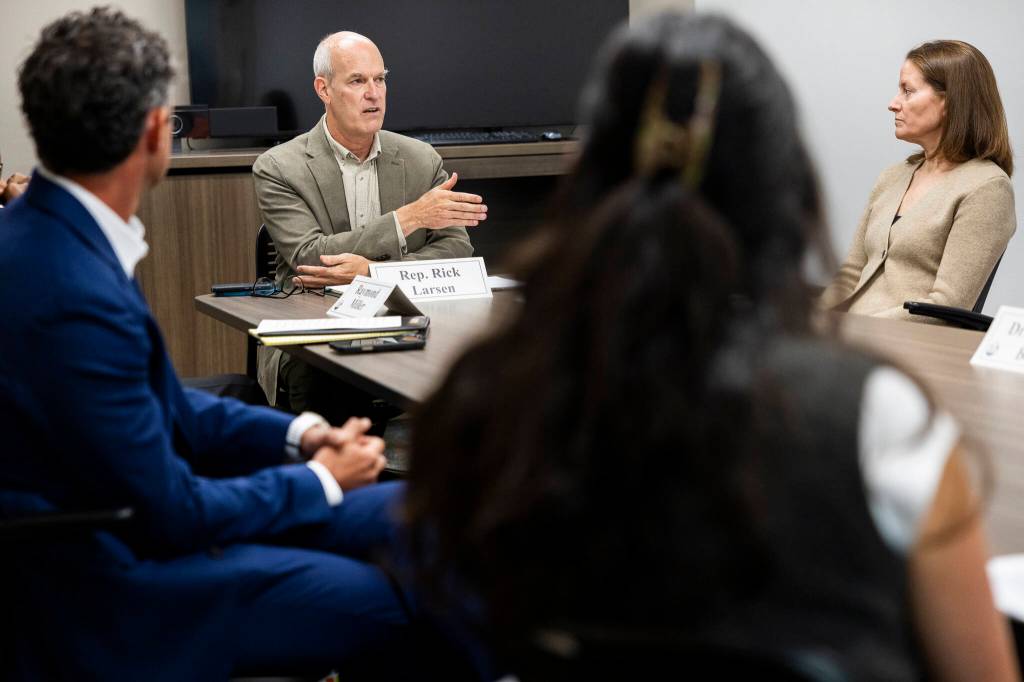
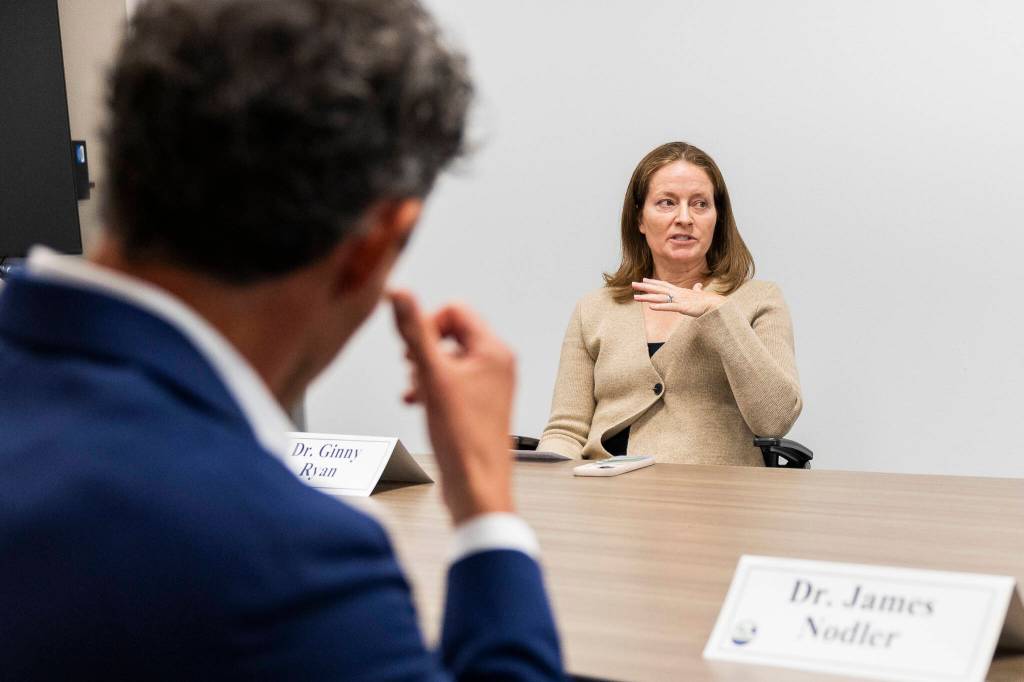
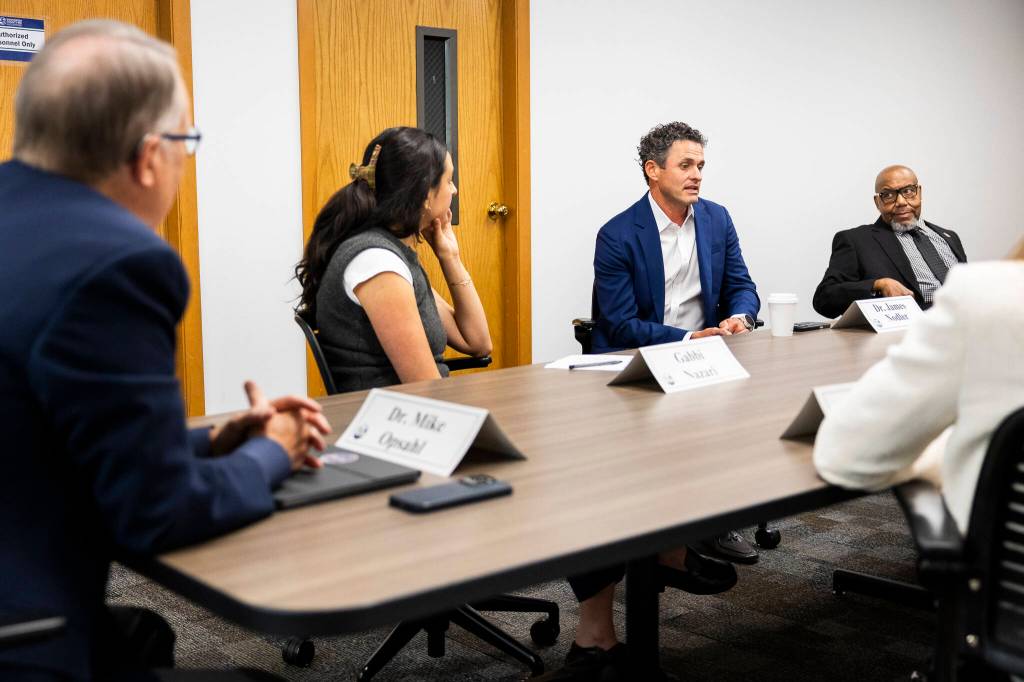



EVERETT – U.S. Rep. Rick Larsen, D-Everett, met with local fertility doctors and advocates in Everett on Monday to discuss a bill that could expand access to in vitro fertilization nationwide.
On July 23, Larsen and other representatives proposed the Right to IVF Act, which would create a legal right to IVF and other fertility services and expand access for families across the country.
The bill would require that fertility services be covered under health plans, including for service members; veterans; government employees; employer-sponsored health plans; and plans under Medicare, Medicaid and the Affordable Care Act.
Infertility is recognized as a disease by the World Health Organization and the American Medical Association. The World Health Organization estimates that 1 in 6 people of reproductive age will experience infertility in their lifetime. According to the American Society for Reproductive Medicine, less than one-quarter of couples who are unable to conceive without assistance have sufficient access to infertility care.
“This bill is based on a simple premise that folks who want to start a family should have access to the healthcare that they need to do just that and the support that they need,” Larsen said.
Cost is one of the largest barriers to accessing fertility care, said Dr. Ginny Ryan, chief of the reproductive endocrinology and infertility division at the University of Washington. It’s especially a barrier for rural Americans, people of color and the LGBTQ+ community, she said. In Seattle, the average cost for one cycle of IVF is over $20,000, according to fertility organization FertilityIQ.
“Some families we’ve heard from say that they’ve been saving for years,” said Gabbi Nazari, government relations director for Pro-Choice Washington. “Some have had to make extremely tough financial decisions in order to access the care, whether it’s skipping a major life event, canceling a wedding, or some are stalling their career in order to move through this, which is really unacceptable.”
Much of Monday’s discussion focused on providing IVF to veterans. Included in the Right to IVF Act is the Veteran Families Health Services Act, which Larsen and others introduced in July 2025. The legislation would expand access to fertility treatments and family building services — including IVF and adoption assistance — for service members and veterans.
For the past six years, Ryan has worked at VA Puget Sound, serving as the only reproductive endocrinologist in the country who works with Veterans Affairs, she said. Veterans face a significantly increased risk of infertility due to factors such as military sexual trauma, post-traumatic stress disorder, environmental and toxin exposures, and delayed childbearing during military service, Ryan said.
“No one should be forced to choose between serving their country or starting a family,” Larsen said.
Currently, the VA only offers IVF coverage if the veteran’s infertility can be connected to their service through an adjudicator, Ryan said.
“They don’t get asked about it, they don’t think to mention it, it’s not considered service connected, even though it is,” she said. “And then it’s not on their list. And then we have to go back and argue for it.”
Ryan said she hopes the bill will lead to more clinics across the country seeing veterans for fertility care.
“When they get back, they’re going to need the services that the VA was supposed to provide for them,” said Raymond Miller, president of Vets Place Northwest. “Many of them are not going to be able to have the ability or the right to say ‘I’ve become a parent,’ and that should never be denied to someone because they risked their life for their country.”
In addition to veterans, Ryan said groups facing inequitable access to IVF include LGBTQ+ people and people who are receiving medical treatments that can lead to infertility, such as chemotherapy.
“LGBTQ communities often require IVF in order to have genetically related children, yet too often they face coverage rules and benefit structures that were not designed with their families in mind,” she said.
Dr. Mike Opsahl, former medical director of POMA Fertility in Kirkland, said he’d like to see the bill mandate coverage for multiple IVF cycles and pre-implementation genetic testing. Both of these make patients more likely to agree to single embryo transfers, he said, which reduces the chances of twins or triplets and is ultimately more cost effective for insurance companies, Opsahl said. He also said he’d like for the bill to be structured so future technological developments aren’t excluded.
“I’m hopeful that the increased coverage will lead to more clinics around the country also seeing veterans for fertility care,” Ryan said.
In 2024, the Alabama Supreme Court ruled that frozen embryos preserved after IVF were legally considered children. The ruling essentially outlawed IVF until the Alabama Legislature passed a law to protect it, said Dr. James Nodler, medical director for CCRM Fertility of Seattle, who completed his residency in Alabama.
“There are a lot of places around the country where not just the financial side, but the right to IVF at all is under attack, and having federal bills that touch on the importance of fertility treatment, whether that’s from a financial or even just a general right, I think is incredibly important,” he said.
When asked how optimistic he is about the bill gaining enough support in Congress, Larsen said he “doesn’t like to put odds on things.”
“I just say the harder you work, the better your odds are, and we’re going to work hard on this one,” he said.
Jenna Peterson: 425-339-3486; jenna.peterson@heraldnet.com; X: @jennarpetersonn.