Will Amazon’s work to kill Seattle tax spook other cities?
Published 1:30 am Tuesday, June 12, 2018


By Phuong Le / Associated Press
SEATTLE — A tax on large companies such as Amazon that was meant to fight a growing homelessness crisis got rolled back during a raucous Seattle City Council meeting that exposed divisions over how much companies that have fueled booming economies should help pay to alleviate the downsides of success.
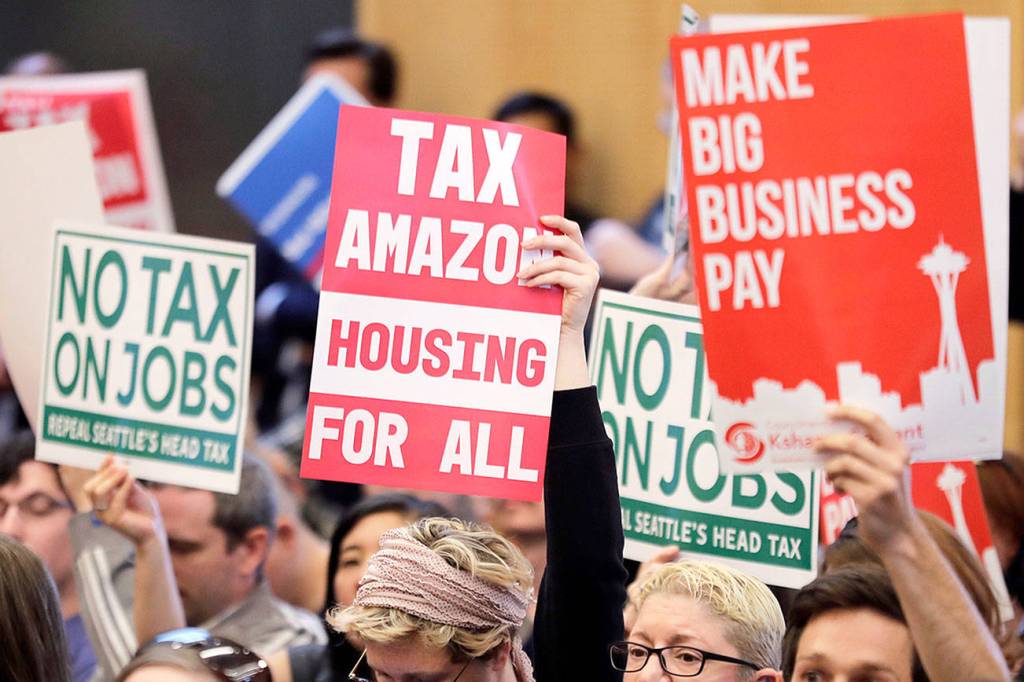
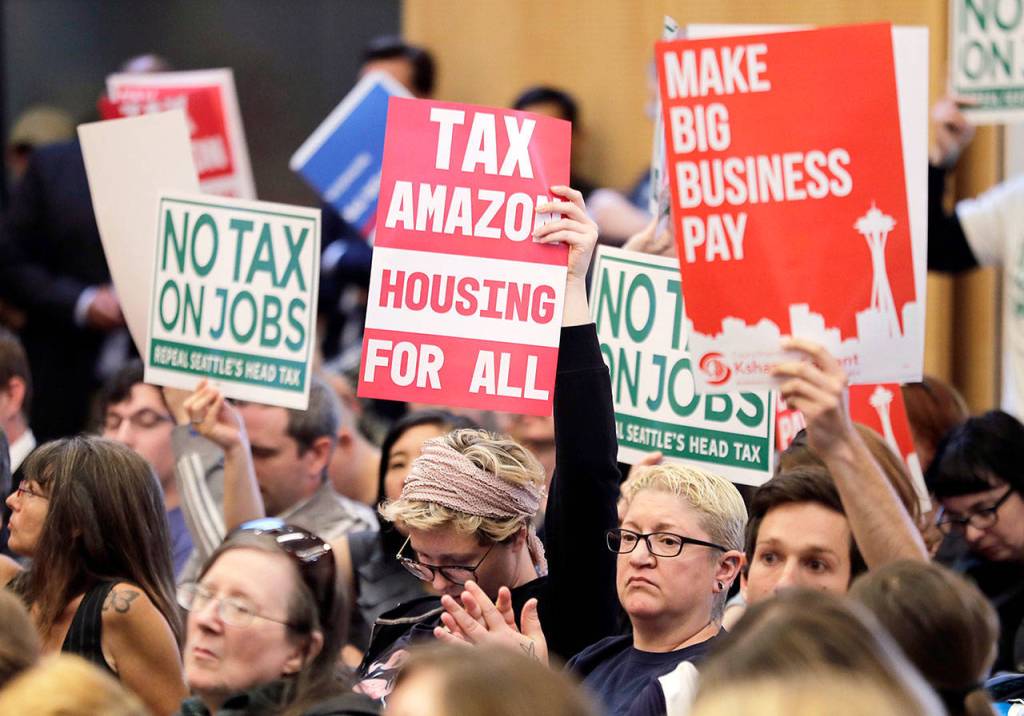
A divided crowd chanted, jeered and booed at the meeting, drowning out city leaders as they cast a 7-2 vote Tuesday. People shouted, “Stop the repeal,” as others unfurled a large red banner that read, “Tax Amazon.” An opposing group held “No tax on jobs” signs.
The vote showed Amazon’s ability to aggressively push back on government taxes, especially in its affluent hometown where it’s the largest employer with more than 45,000 workers and where it has been criticized for contributing to a widening income gap.
It remains to be seen whether Seattle’s retreat will have a chilling effect on other cities considering taxes on big tech companies to help mitigate the effects of growth.
The City Council in Mountain View, California, where Google is based, will vote June 26 on whether to put a similar measure before voters in November. The “Google tax,” which has unanimous support from the council, aims to alleviate transportation woes and high housing costs in the Silicon Valley city south of San Francisco.
Mountain View Mayor Lenny Siegel said Seattle’s about-face hasn’t changed his support for the tax, the details of which the council and city administrators have been working on for several months.
“It appears that we have a better relationship with our business than Seattle does,” Siegel said.
He said Google hasn’t taken a position on the proposal and that no “groundswell” of opposition has materialized from the Internet search giant and other companies.
“That doesn’t mean they support it,” Siegel said. “Our chamber of commerce has not been excited by it.”
In Seattle, the tax was proposed as a progressive revenue source aimed at tackling one of the nation’s highest homelessness numbers, a problem that hasn’t eased even as city spending on the issue grew.
Businesses and residents demanded more accountability in how Seattle funds homelessness and housing and said the city should take a regional approach to the problem. Many worried that Amazon and others would leave the city as the companies sharply criticized the tax.
Amazon called Tuesday’s vote “the right decision for the region’s economic prosperity.”
The company is “deeply committed to being part of the solution to end homelessness in Seattle,” Drew Herdener, an Amazon vice president, said in a statement.
City leaders underestimated the frustration and anger from residents, businesses and others over not just a tax increase but also a growing sense that homelessness appears to have gotten worse, not better, despite Seattle spending millions to fight it.
It poured $68 million into the effort last year and plans to spend more this year. The tax would have raised roughly $48 million annually.
But a one-night count in January found more than 12,000 homeless people in the Seattle and surrounding region, a 4 percent increase from the previous year. The region saw 169 homeless deaths last year.
Many supporters called the repeal a betrayal and said the tax was a step toward building badly needed affordable housing. They booed council members, imploring them to keep it and fight a coalition of businesses trying to get a referendum overturning the tax on the November ballot.
“It’s frustrating to see the council be so spineless when the city has so much leverage for businesses to come here despite the tax,” said Jake Lindsay, 25, a musician and Lyft driver who supported the tax.
Several council members, including three who sponsored the legislation but voted to repeal it, lamented the reversal and conceded they didn’t have the resources or time to fight the referendum.
Councilwoman Lisa Herbold said it “was truly our best option” and that she repealed it with a heavy heart. She lashed out at business interests for blaming the problems on government inefficiencies.
Seattle’s so-called head tax would have charged companies about $275 per full-time worker each year for affordable housing and homeless services. It targeted nearly 600 businesses making at least $20 million in gross revenue and would have taken effect next year.
Days after it passed, the business-backed No Tax On Jobs campaign began gathering signatures for the ballot and raised more than $280,000 in cash contributions in just weeks.
In Silicon Valley, Siegel, the Mountain View mayor, said Google and other companies such as LinkedIn that are based in the California city acknowledge that soaring housing costs and long commutes make it harder to recruit and retain workers.
He said city officials estimate the tax would raise about $10 million annually once it’s completely phased in after three years. Google is expected to pay half.
Siegel said public meetings that touched on the issue were “moderately” attended, and the proposal does not appear to be as contentious in Mountain View as in Seattle.
Associated Press reporter Paul Elias in San Francisco contributed to this report.